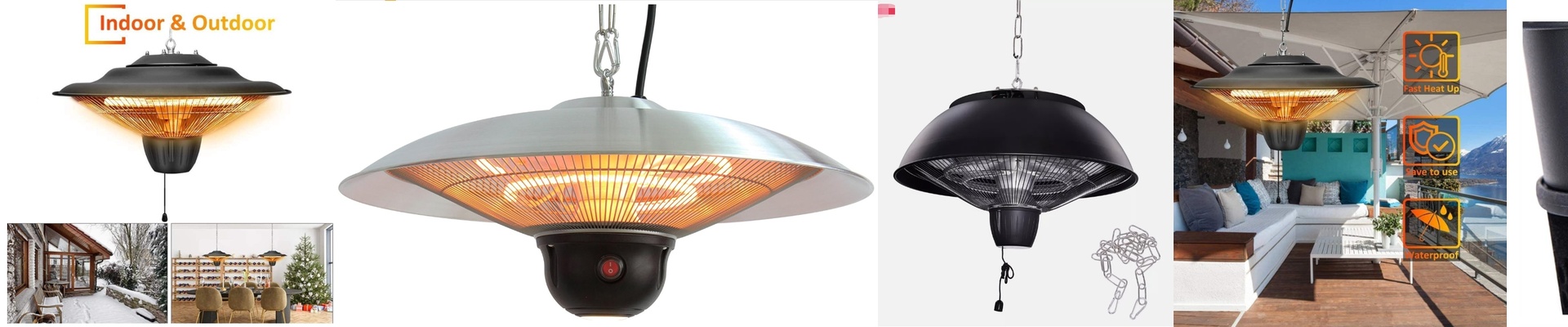
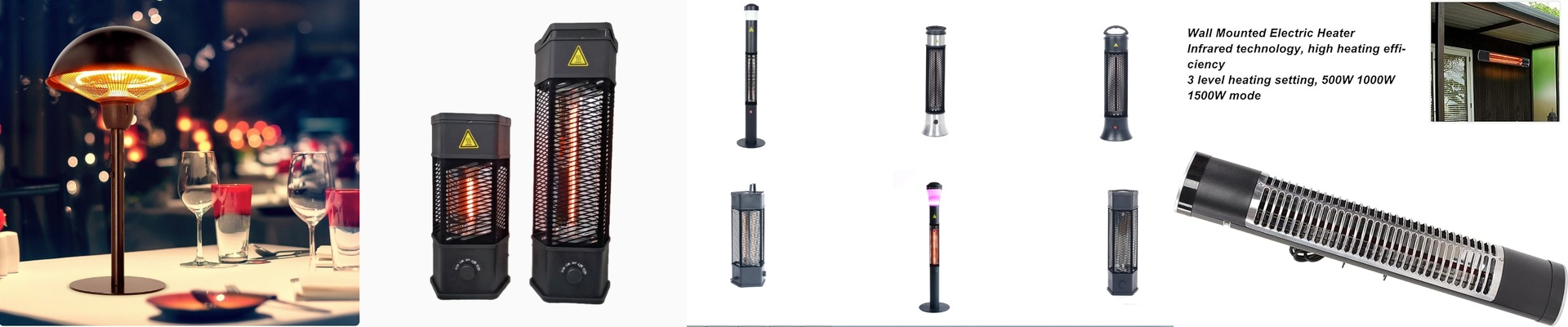
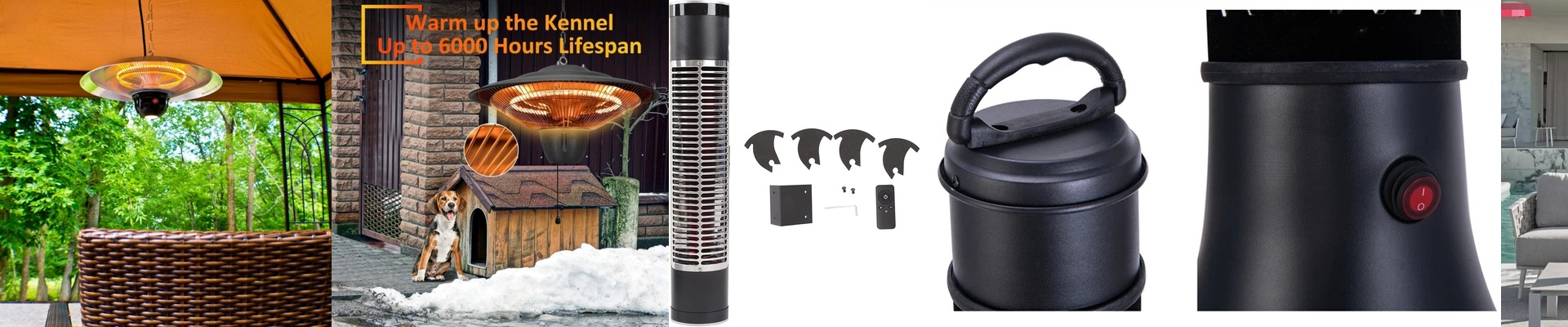
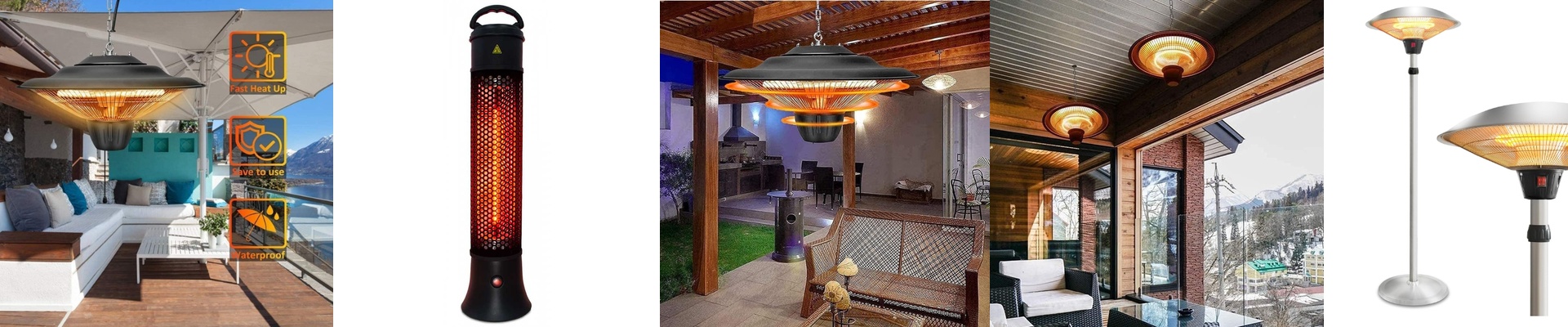

Step into a cold corner of your house and the chill hits you—right through to the bone. With an infrared personal heater, the turnaround is immediate. You get warmth in seconds, focused right where you need it. No waiting around, no drafts. Just direct, targeted heat.
What’s actually happening under the hood
Infrared personal heaters run on radiant heat. They send warmth out in a concentrated beam instead of trying to heat the air. Inside, a carbon fiber element or a quartz tube hits operating temperature almost instantly, then delivers that directional heat. Most of these units are compact—often under 20 inches tall—and run off standard household power. You’ll find a built-in thermostat to keep output steady, and the basics are covered: tip-over protection and an overheat cutoff come standard.
Why this approach works for personal comfort
It’s effective because it targets your body and the surfaces around you, not the entire room. You feel the warmth quickly, which helps you relax and can make a difference on cold mornings when you need circulation support. In living spaces, workshops, or covered outdoor spots, the payoff is practical. You get usable heat without overheating the area, and you can position the heater right where you sit, work, or rest.
What to keep in mind
Infrared warmth shines in open-plan areas or rooms that are drafty, because it heats what it “sees.” If you need broader comfort, pair it with an air-based heater. Keep the unit unobstructed and respect the clearance distances in the manual. Most personal infrared heaters are built for indoor or sheltered use. If you’re after outdoor heating, pick a model rated for the conditions—look for the proper IP rating and construction meant for exposure.