
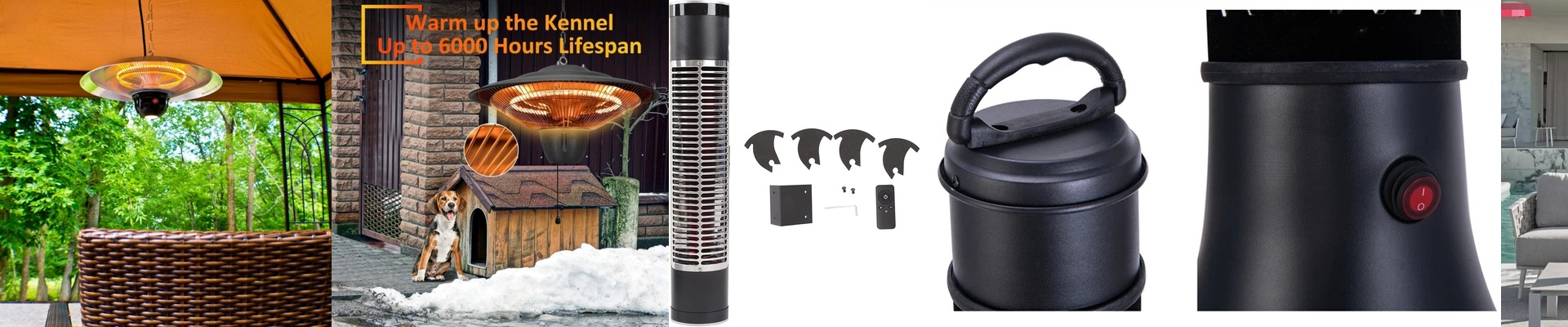
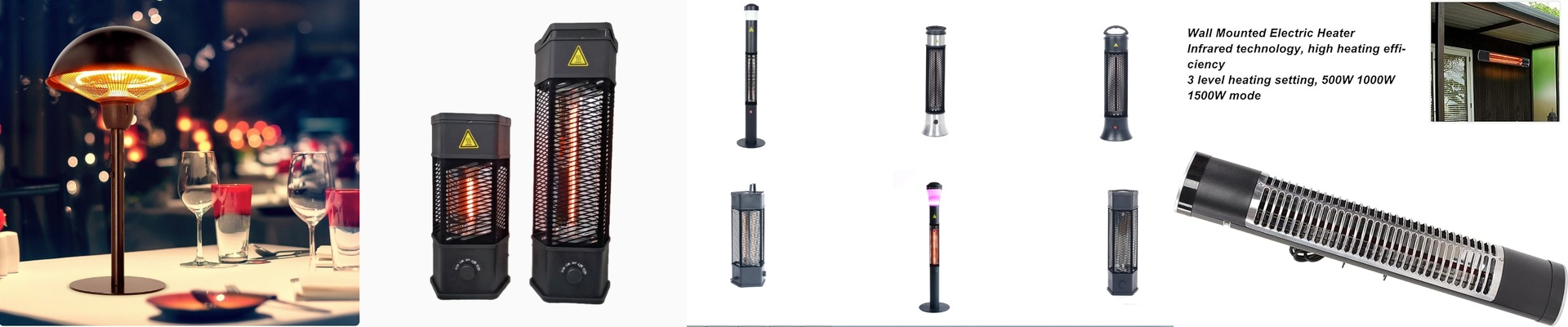

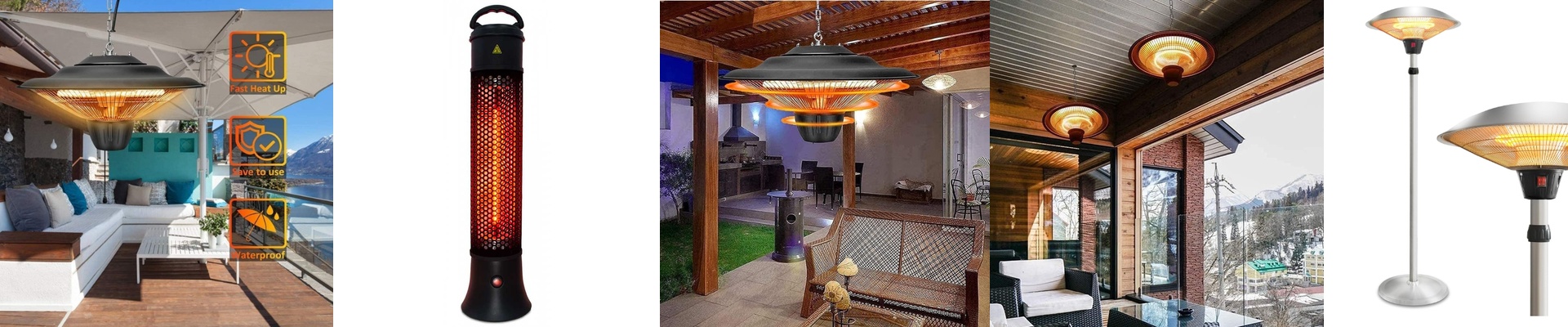
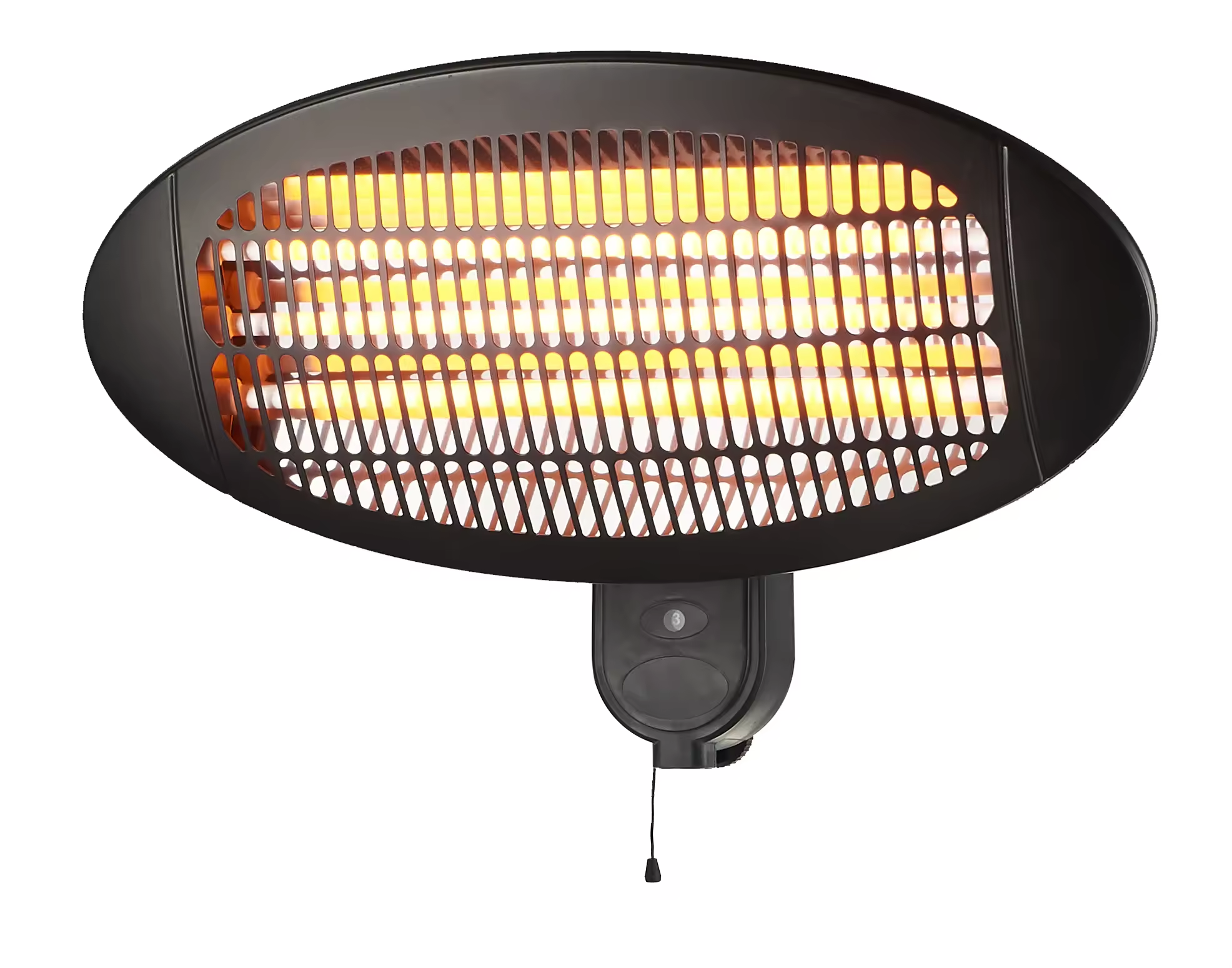
Let’s talk about what makes this travel heater actually work.
We built this thing around a 400V, 2500W halogen quartz tube—300mm long. That voltage means you can run serious power through a standard industrial line without worrying about overloading it. And the length? It keeps the footprint small, so it slips into tight spots without a fight. The 2500W rating is all about heat density. It warms up fast. It responds fast. When you’re on the move, you hit your setpoint quickly—no waiting around while the cold lingers.
The tube, the connector, and the reason it stays tough
Inside, you’ve got a halogen-filled, high-purity quartz envelope. The halogen chemistry keeps the filament stable, so the tube stays bright and clear over time—no blackening dragging down the output. Quartz, for its part, shrugs off rapid temperature swings and resists thermal shock. It just keeps going. We went with an R7s connector so you can wire it straight in as a drop-in replacement in existing fixtures. The joint is clean, simple, and serviceable—because when the heater is working in the field, you don’t want a fussy connection. It has to hold up, even when the day gets rough.
Built for the kind of heat you need on the fly
This setup is made for travel electric heater duty: portable heating on equipment, temporary process support, and spot heating when you can’t wait for a full system. The high heat density is a big plus—there’s no denying that. But here’s the part you’ll appreciate: it’s predictable. It installs easily. And it gives you fewer headaches in the field. Just one note: with that much heat, your machine’s cooling and ventilation have to be properly set up to handle the ambient heat. Plan for it, and you’re golden. When the job calls for fast, reliable heat, this is the kind of solution that shows up and gets it done.