



Making Bathroom Heaters That Actually Work (and Won’t Blind You)
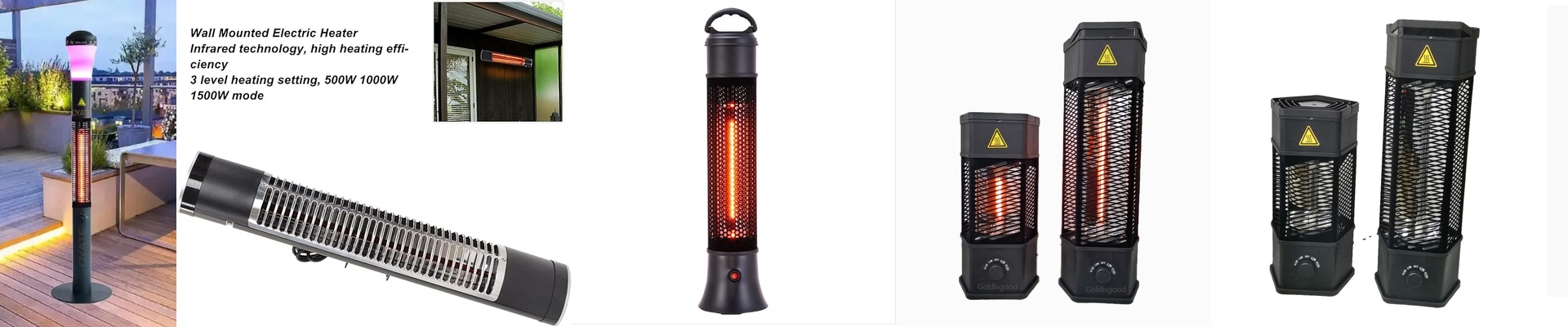
When we build IP65-rated infrared heaters for bathrooms, we’re fighting a constant battle with moisture. Bathrooms are brutal on electronics. Steam gets everywhere, and if that water hits a circuit, you’ve got a disaster on your hands. But waterproofing is only half the battle. The real trick is the light. If you’ve ever seen an industrial heat lamp, you know they’re blinding. They blast out this intense white light and UV rays that are just too much for a home—especially if you’ve got a baby in the tub. Nobody wants a heater that feels like a stadium floodlight. To fix this, we use special coated quartz glass and spectral filters. Think of it like a pair of sunglasses for the heater. It blocks those harsh blue-light peaks but lets the warmth slide right through. You get the heat on your skin without that annoying glare. Then there’s the “IP65” part. In plain English, that just means the thing is dust-tight and can handle a direct spray of water without blinking. We use tempered glass seals and high-temp silicone gaskets to keep the steam out of the guts of the machine. One thing to watch out for: because the unit is so tightly sealed, heat can get trapped inside the chassis. If you mount it flush against a surface with zero breathing room, the internal wiring can cook itself over time. Just give it a little space to breathe. Now, there’s a catch. Using these filters means you lose a tiny bit of energy efficiency compared to a raw, uncoated tube. You’re sacrificing a sliver of wattage for the sake of safety. To us, that’s a no-brainer. And a quick tip for the folks doing the wiring: make sure your circuit breakers can handle the initial “inrush” of current when the tungsten filament kicks in. Otherwise, you’ll be tripping your breaker every time you want a warm bathroom. We build these for the high-humidity spots where a normal heater would just rust away or short out. Keep the seals tight, keep the airflow open, and you’re good to go.