
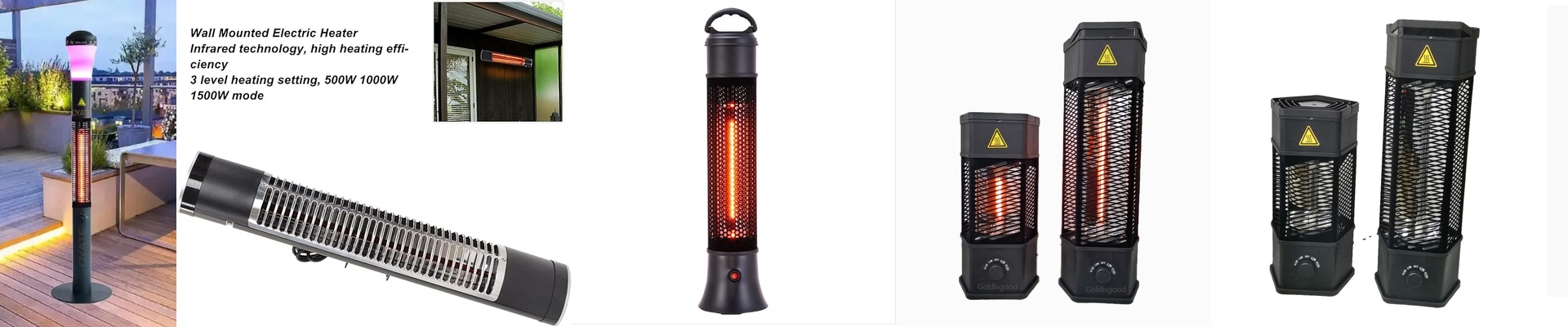

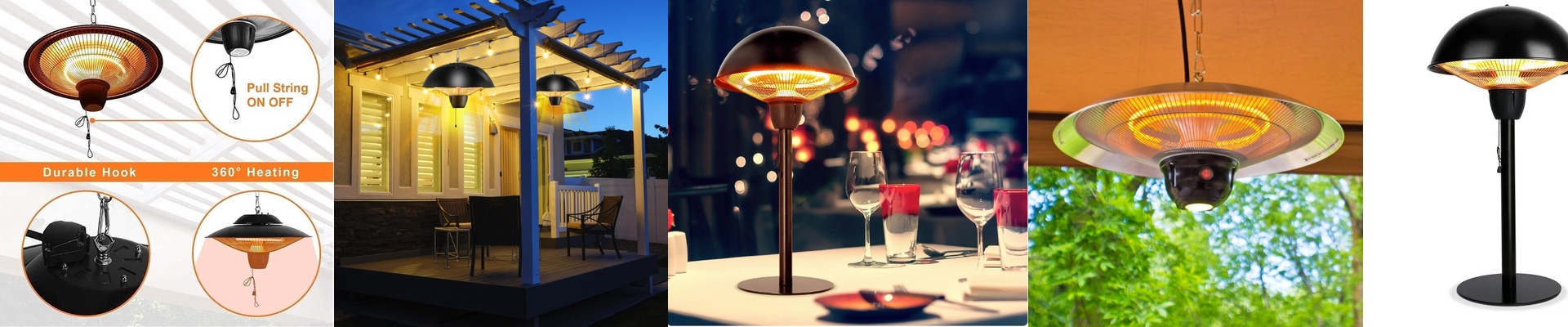


Why Your Industrial Table Heaters Keep Dying (And How We Fixed It)
Let’s be honest: most infrared heaters just aren’t built for the real world. If you’re running a shop floor where it’s misty, damp, or just plain messy, a standard heater is basically a ticking time bomb. We’ve seen it a hundred times. Water vapor settles on a scorching hot quartz tube, the glass gets a sudden thermal shock, and snap—micro-cracks form. Before you know it, the tube burns out and you’re staring at a dead piece of equipment. That’s why we went with an IP55 rating for our table heaters.
What IP55 actually means for you
In plain English? It means your heater can handle dust and low-pressure water jets hitting it from any angle without freaking out. We didn’t just slap a cover on it. We sealed the entire chassis and used heavy-duty gaskets where the wiring enters the housing. It keeps the moisture away from the electrical guts and the heating element, so you don’t have to worry every time someone splashes some water nearby.
The trade-off (Because nothing is perfect)
Here’s the thing: when you seal a unit this tightly to keep water out, you lose some airflow. Since the electronics can’t “breathe” as easily as they would in an open-frame heater, they hold onto heat a bit longer. To keep the control board from overheating, you just need to make sure you leave the recommended clearance around the unit. Give it some space, and it’ll run just fine. To make things even tougher, we added a moisture-resistant coating to the internals to stop corrosion in its tracks. The housing is also shaped to shed water quickly rather than letting it pool.
Real-world results
We mostly see these units in chemical labs or food processing plants—places where “wash-down” is a daily ritual. In those environments, a cheap heater might last six months before it quits. This IP55 version? It lasts for years. But a quick tip: don’t ruin a great heater with a bad connection. If you use a junction box that isn’t waterproof, you’ve basically left the front door open for moisture to get in. Make sure your external connections match the IP rating of the heater. Do that, and you can finally stop the endless cycle of replacing blown lamps and dealing with unexpected downtime.