


Stop Replacing Your Entire Patio Heater
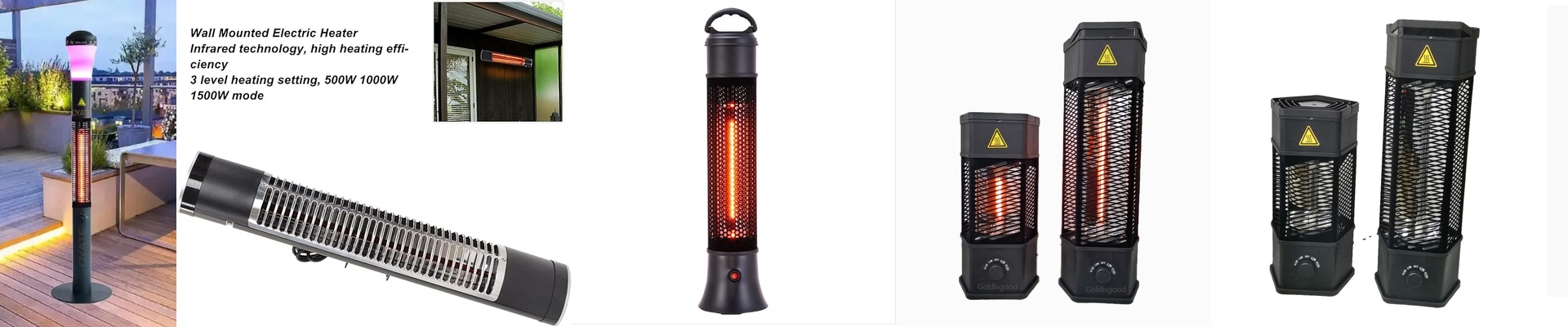
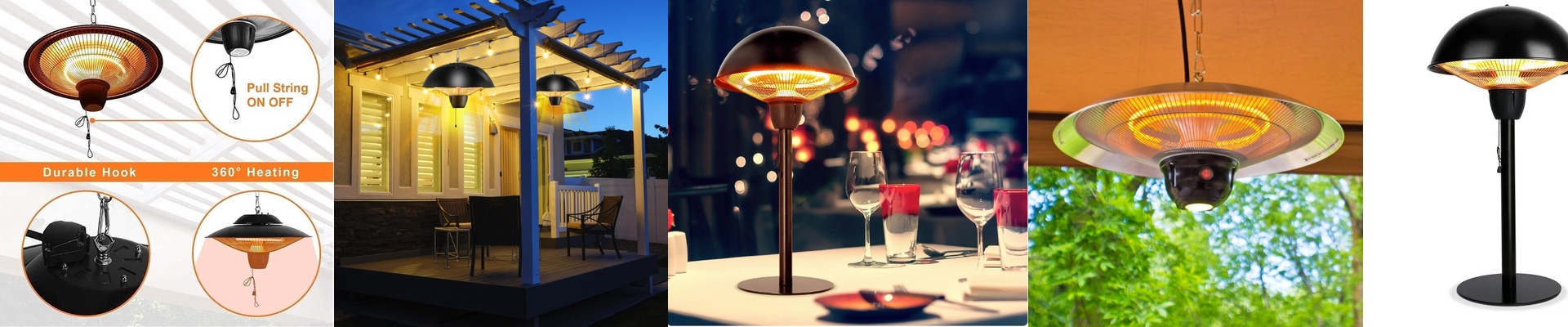
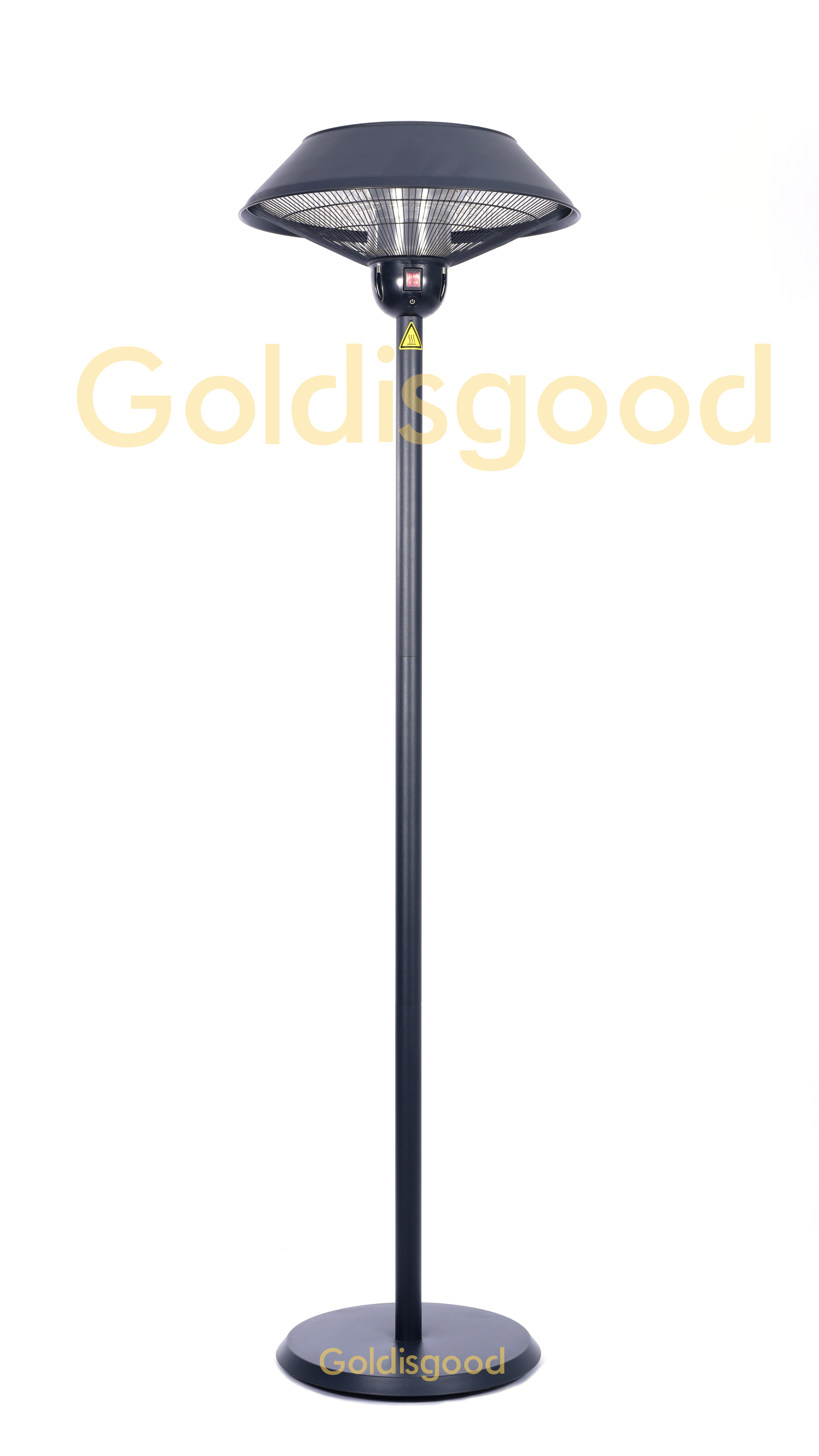
If you run a nightclub patio, you know the drill. Between the rain, the salt air, and the constant wear and tear, your heating equipment takes a beating. The problem? Most “waterproof” heaters are built like sealed boxes. The second a heating element burns out, you’re stuck. You can’t just fix it—you have to rip the whole unit off the ceiling and buy a new one. It’s a waste of time and money. We thought that was ridiculous. So, we did something different. The “Swap and Go” Approach Imagine it’s been five years and a tube finally gives out. Instead of a full-scale demolition project, you just deal with the part that actually broke. We built our heaters with a modular chassis. Think of the heating element like a cartridge. You unscrew the faceplate, pull the dead tube out of its socket, and slide a fresh one in. That’s it. You don’t have to mess with the internal wiring or break the waterproof seals that keep the rain out. The heavy-duty housing stays put; you just replace the part that wears out. The Struggle with Weatherproofing Here is the honest truth about waterproofing: it usually kills airflow. When you seal a unit to keep the rain out, the heat has nowhere to go, and it starts baking the insides. To stop that from happening, we used high-temp gaskets and aluminum heat sinks to pull that heat away from the wires. One quick tip: make sure your replacement tubes match the original wattage exactly. If you try to “over-power” a sealed unit, you’ll likely fry the internal wiring. Stick to the specs. Keeping Things Running Even with a smart design, humidity is a pain. Those connection points can get crusty or oxidized over time. Before you slide in a new element, give the terminal pins a quick spray with some contact cleaner. It takes two seconds, but it prevents arcing and makes sure your heater hits full temperature the moment you flip the switch. The whole process takes less than ten minutes. It turns a stressful repair job into a quick bit of routine maintenance.