



Making Your Patio Warm (And Smart) Without the Headache
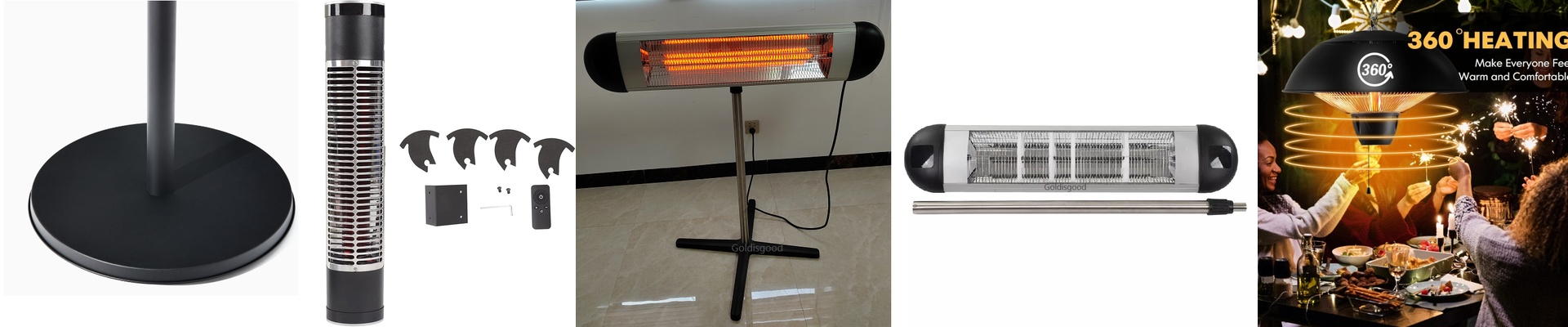
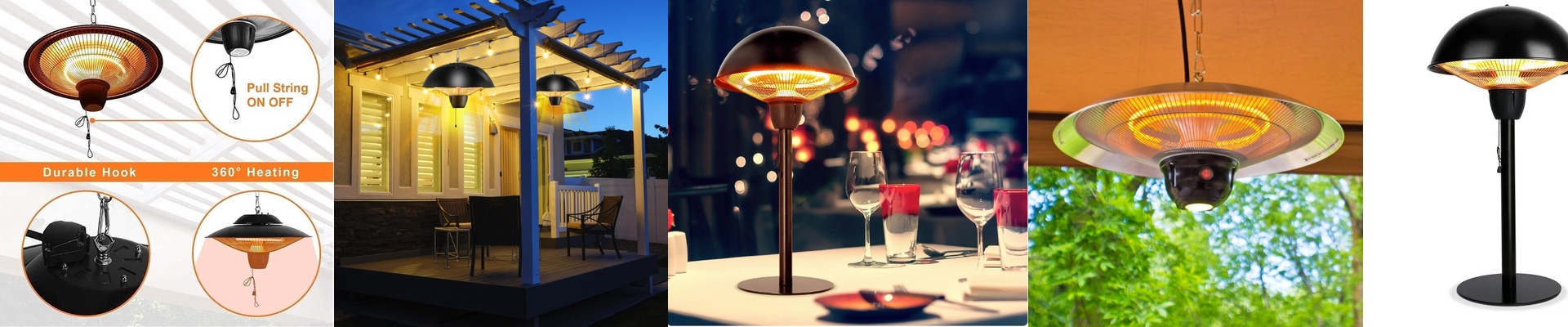
Nobody likes that feeling of stepping outside in February and immediately wanting to run back indoors. That’s why we build our infrared patio heaters to take a beating from the elements. They’re IP55-rated, which is just a fancy way of saying they won’t freak out when it rains or gets dusty. The real magic is in the shortwave infrared tech. Most heaters try to warm up the air—which is a losing battle when the wind is blowing. Ours work differently. They send heat straight to you and your guests. You feel it instantly. It’s like stepping into a patch of sunlight on a cold day.
Getting it to “Just Work” with Your Phone
Let’s be honest: walking across a cold deck to turn a manual dial is a pain. We’d rather you just tell your house to get warm. We hook these heaters up to smart gateways using Zigbee or Matter. By wiring them into a smart relay, you can kick things on with a voice command or a quick tap on your phone before you even open the sliding door. But we don’t just slam the power on. If you have a few units and they all fire up at once, you might trip a breaker. To stop that, we use things like PWM or stepped relays to manage the power draw. It keeps everything smooth and your electricity stable.
The Nitty-Gritty Stuff
Since these live outdoors, we don’t mess around with the build. That IP55 rating means the housing is tight enough to keep dust out and handle water jets from any angle. We also use silicone gaskets at the electrical junctions because corrosion is the enemy. Inside, you’ll find quartz or carbon-fiber tubes. These things get hot in seconds. We also use specialized high-temp wiring so the insulation doesn’t get brittle or melt after a few winters of heating up and cooling down.
A Few Things to Keep in Mind
Adding smart controls does make the wiring a bit more involved. You can’t just plug these into a wall outlet and expect precision; you’ll need a proper control panel to do it right. And here’s a tip: because the heat is directional, placement is everything. If you hang the unit too high or point it the wrong way, you’re just wasting energy. You have to think about the beam angle. If you get the layout right, it’s cozy. If you don’t, you’ll end up with annoying cold spots.