



How to actually make your outdoor heaters “smart”
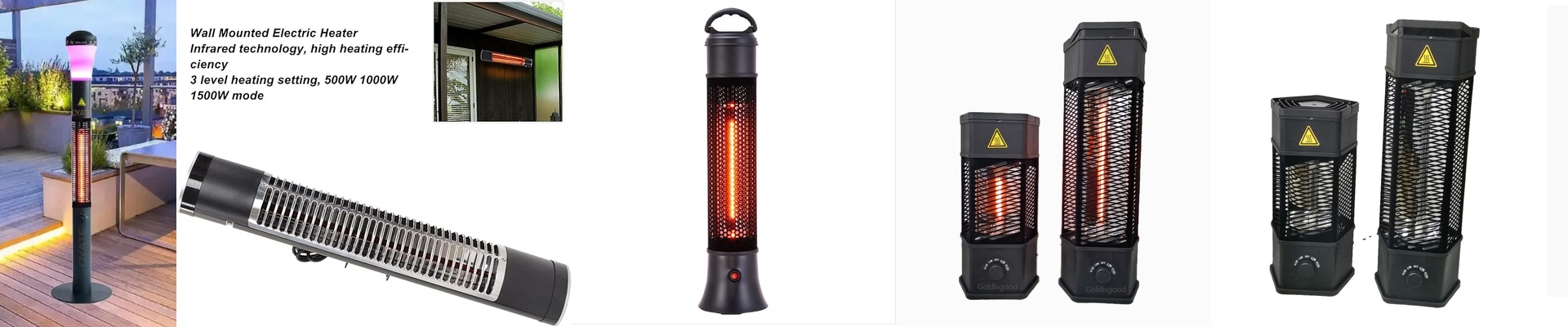
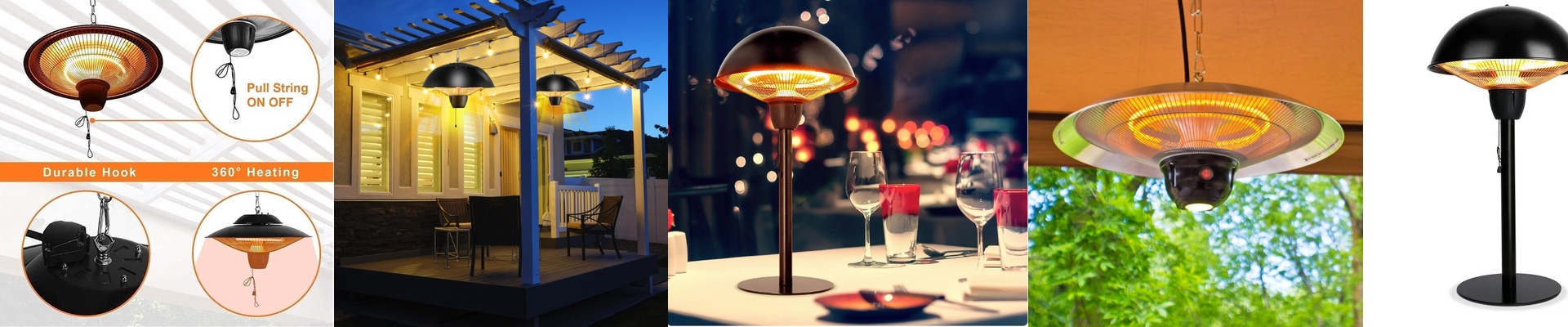
Most electric heaters hate water. Put a standard one on a patio or in a steamy bathroom, and you’re basically asking for a short circuit. That’s why we build ours with an IP65 rating. In plain English? They’re dust-tight and can handle a spray of water without breaking a sweat. It means you can actually put them where you need them without worrying about the weather. The magic of “instant” heat There is nothing worse than turning on a heater and waiting ten minutes to feel anything. We use short-wave infrared to fix that. Instead of trying to warm up all the air around you (which is slow and wasteful), infrared goes straight for the target. It hits your skin or your clothes directly. It’s fast. Really fast. You hit a button, and you feel the warmth in seconds. To make this work with your phone, we hook these units up to smart relays or Zigbee/Matter controllers. It’s a simple setup: your hub tells a high-current relay to close the circuit, and the heat kicks in. Just a heads-up—these things pull a lot of power. Make sure your wiring and breakers are up to the task, or you’ll be tripping your power every time you want to stay warm. Making it feel intuitive The real win here is when you don’t even have to think about it. You can link the heaters to a temperature sensor. For example, once the porch hits 10°C, the system just wakes up and starts warming things up for you. But my favorite way to do it? Motion sensors. There’s no point in heating an empty deck. With a sensor, the heater only fires up when someone is actually standing there. It saves a ton of electricity and just feels like magic. A few things to keep in mind Here’s the thing: these heaters get hot. Like, really hot. Even though the IP65 shell keeps the rain out, the outside of the unit still puts off a massive amount of heat. Give them plenty of breathing room. Keep them away from anything that could catch fire. If you’re squeezing a heater into a tight spot, do yourself a favor and add a thermal cutoff switch to your smart system. That way, if the area gets too hot, the power kills itself automatically before things get dangerous.