


Getting the Wattage Right for Your Bathroom Heater
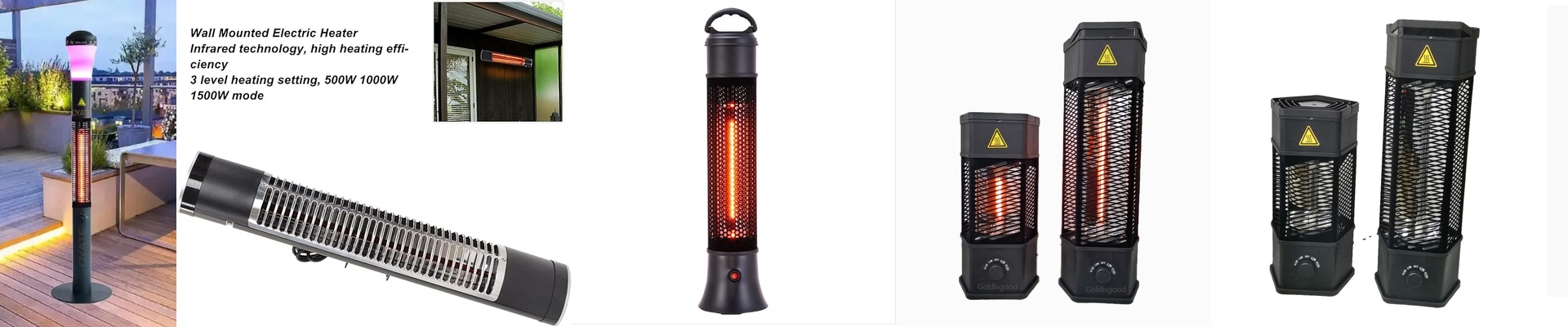
Here is the deal: if you pick the wrong wattage for a bathroom heater, you’re stuck with one of two problems. You’re either burning money on electricity you don’t need, or your guests are still shivering in their towels. Since infrared heat hits people and objects directly—rather than just warming up the air—the distance between the lamp and the person is what actually matters.
Size Matters (But Not How You Think)
If you’re dealing with a tiny powder room (under 4m²), don’t overthink it. A 400W to 600W shortwave lamp usually does the trick. The space is tight, the heat is concentrated, and you’re close to the source. But be careful. If you slap a 1200W unit in a tiny closet-sized bathroom, you’re asking for trouble. You might overheat the fixture or trip the safety cut-off before you even get a chance to warm up. Now, master bathrooms (8m² to 12m²) are a different story. You can’t just buy one giant lamp and call it a day. I’ve found it’s much better to wire up a few 600W units or a single 1200W-1500W array. It spreads the warmth around so there aren’t any cold patches. And a quick tip: if your ceilings are higher than 2.5 meters, you’ll need more power. Heat fades as it travels. More distance means less warmth hitting your skin.
The Trade-offs
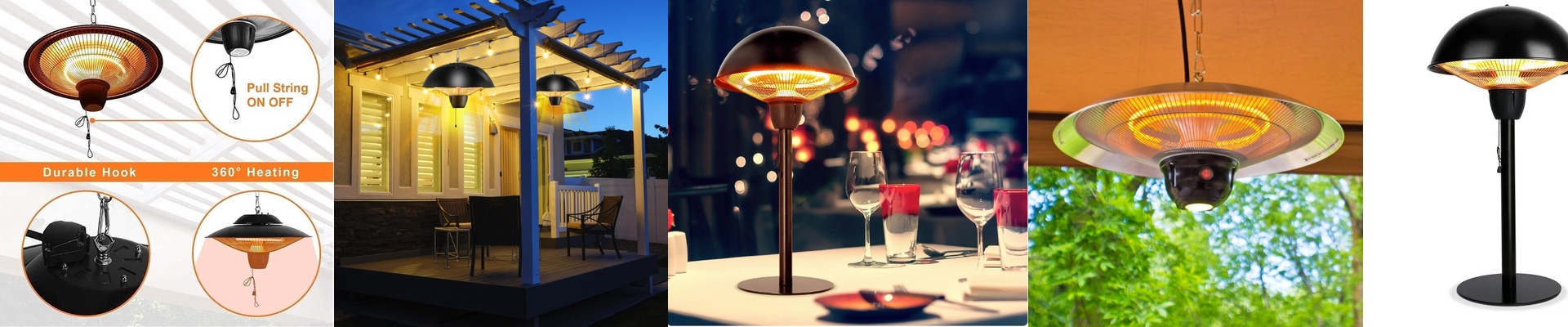
Higher wattage is great for speed. A 1200W lamp feels hot almost the second you flip the switch. It’s an instant cozy feeling. But there’s a catch. Your electrical circuit has to be able to handle that draw. Double-check your wiring first. There is nothing worse than a heater that works great for ten seconds and then pops your breaker. I also see a lot of people make the “dead zone” mistake. They put one powerful lamp right in the middle of a big room. Sure, it’s toasty if you’re standing directly under it, but the corners stay freezing. To fix this, try spacing two mid-power lamps about 1.5 meters apart. It creates a much more natural, consistent feel. One last thing—high-wattage lamps get seriously hot at the socket. Do yourself a favor and use high-temp rated connectors. You don’t want your housing warping or melting over time just because you saved a few cents on a connector.