
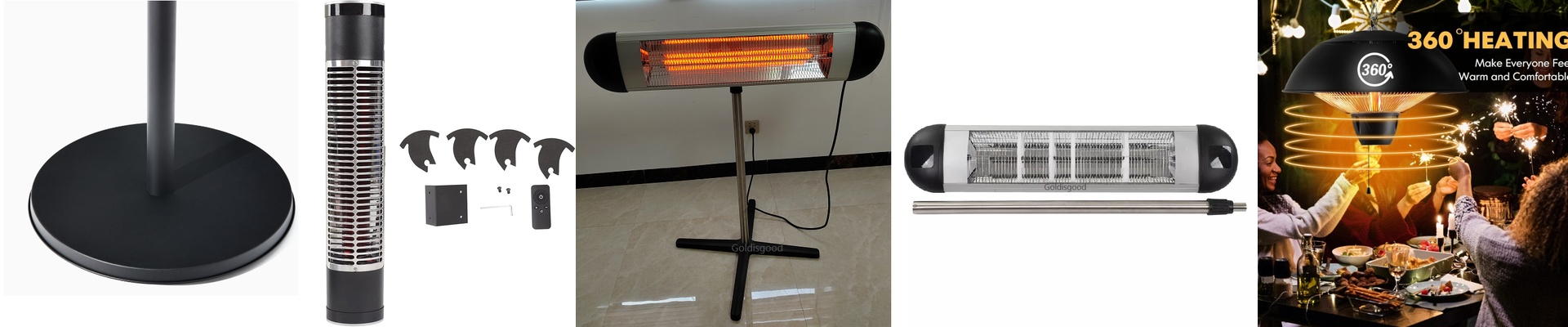
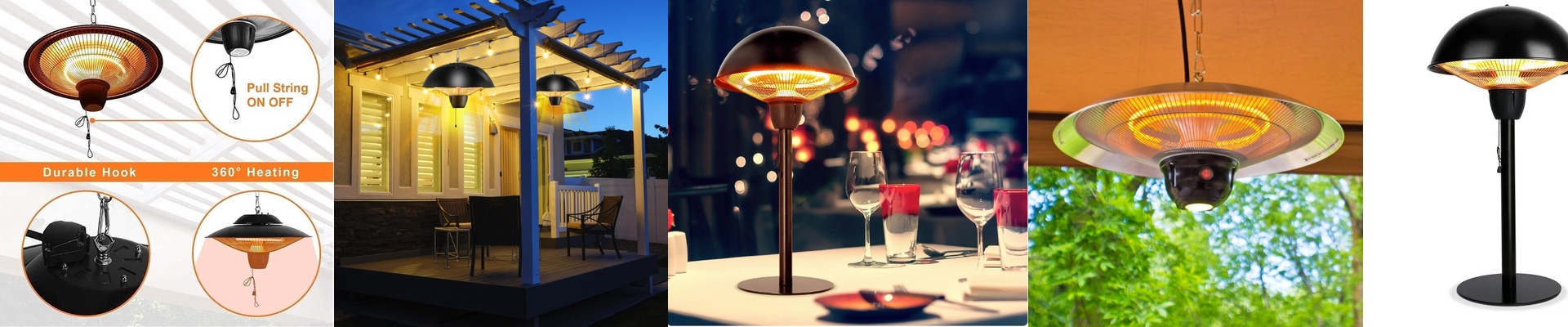


Why We Build 1500W Infrared Heaters for Gazebos
If you’ve ever tried to heat a gazebo or a changing area with a standard space heater, you know how frustrating it is. You turn it on, the air gets warm for a second, and then—poof—the heat just floats up to the ceiling or drifts away in the breeze. You’re still shivering, but your ceiling is toasted. We wanted to fix that. The secret is in how the heat actually moves. Most heaters try to warm up the air. We don’t do that. Our 1500W units use short-wave infrared technology. Think of it like the sun. You can feel the sun’s warmth on your skin even on a freezing winter day because the heat travels in a straight line. It doesn’t care about the air temperature. It just hits you, your clothes, and your furniture, and you feel warm instantly. No fighting gravity, no waiting for the room to “warm up.” You just step under it and feel the glow. Why 1500W? We found this to be the sweet spot. It’s plenty of power to push that warmth down from a ceiling (usually about 2.5 to 3 meters high) and actually make you feel it on the ground. To make this work, we use quartz glass tubes for the filaments. It sounds fancy, but it’s simple: the glass lets the infrared rays pass through without soaking up the heat themselves. That means more energy hitting you and less energy wasted inside the machine. A few things to keep in mind for the install. You’ll wire these straight into your ceiling. Since they get pretty hot, we wrap them in heat-resistant aluminum or powder-coated steel. We don’t want your ceiling scorching. But here is the catch:infrared is line-of-sight. If you have a big decorative beam or a rafter blocking the heater, you’re going to have a cold spot. It’s like a shadow, but for heat. You have to be smart about where you place them to make sure everyone stays cozy. One last tip—check your electrical panel. 1500W is a decent pull. If you’re running three or four of these on one circuit, you might find yourself tripping the breaker. Give your wiring a quick look before you flip the switch.