


Why You Should Ditch the Old Bathroom Heat Lamps for Mirror Infrared
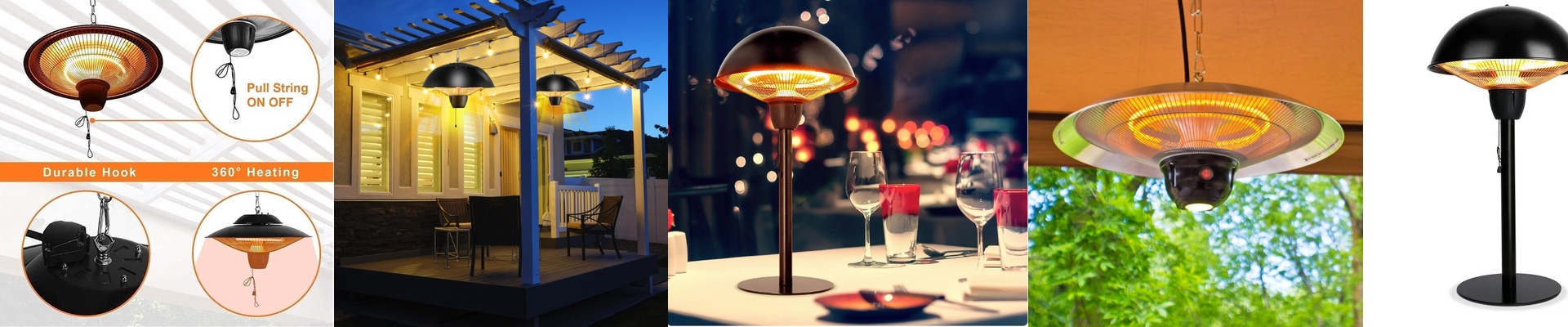
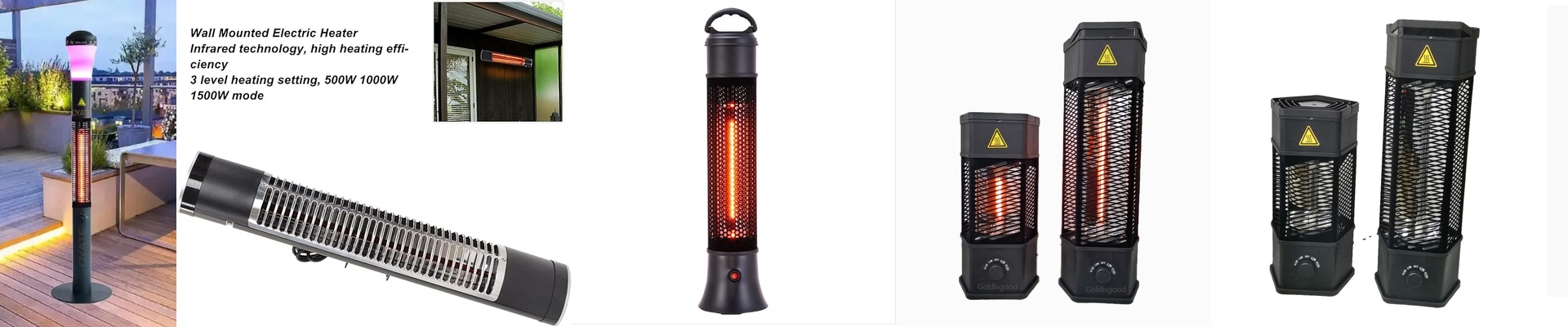
Ever step out of a steaming shower into a bathroom that feels like a walk-in freezer? We’ve all been there. For years, we relied on those old-school heat lamps—basically giant, power-hungry lightbulbs that try to warm up the air. The problem is, they’re pretty inefficient. They spend more time heating the ceiling than they do heating you. That’s why everyone is switching to mirror infrared heaters. Instead of fighting with the air, these things beam heat directly onto your skin and the floor. It’s like stepping into a patch of sunlight on a winter day. You feel it instantly. The “Water” Problem Let’s be real: bathrooms are brutal on electronics. Between the steam and the accidental splashes, most heaters just give up and burn out because moisture leaks into the wiring. That’s why the build quality here actually matters. You can’t just put any heater near a shower. These infrared units use heavy-duty sealed gaskets and specialized housings to keep the steam out. It keeps the guts of the machine dry and, more importantly, keeps you safe from a short circuit while you’re scrubbing your toes. What’s with the Mirror? It’s not just to make the bathroom look fancy. Those polished aluminum or gold-coated curves are there to do one job: stop the heat from escaping upward. The mirror reflects the infrared waves downward, focusing the warmth right where you actually need it—on you. Because the heat is so concentrated, the unit doesn’t have to work nearly as hard. You get the same cozy feeling but without the massive spike in your electric bill. A Few Things to Keep in Mind Now, it’s not magic. There are a couple of quirks. Since infrared travels in a straight line, it can’t “bend” around things. If you have a thick shower curtain or a high partition in the way, you’re going to have a cold spot. You’ve got to be smart about where you mount it to make sure you’re actually in the line of fire. Also, because these things are so powerful, the casing can get pretty hot if there isn’t enough airflow. I always suggest adding a timer. That way, you aren’t accidentally leaving a high-intensity heater running in a tiny room all day.