

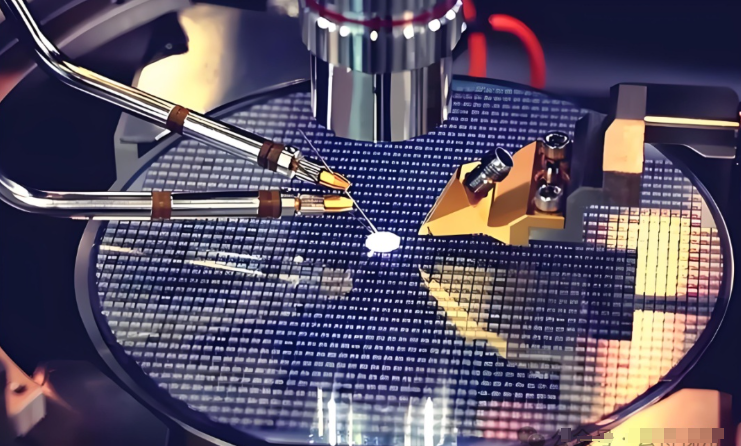
Out on the line, a flexible electronics run goes sideways the moment the photoresist bake drifts. Across the 300 mm wafer, a few tenths of a degree is all it takes to smear linewidths, and you don’t even catch it until metrology flags the batch—by then, it’s already scrap. What you need is heat you can bank on: temperature that hits the recipe exactly, across the whole substrate. What matters, technically We built this wafer heater around semiconductor-grade thermal control. The core holds ±0.1°C uniformity across the active zone, so every die gets the same thermal budget. The chamber is cleanroom-compatible from Class 1 to Class 100, with surfaces chosen to keep particle count flat. Zero particle generation isn’t a slogan—it’s a design constraint, verified in-situ. And the setpoint repeatability is tight enough that soft bake and hard bake profiles carry over from lot to lot without retuning. Why it holds up in practice Flexible substrates don’t forgive hot spots—warp and delamination show up fast. This heater keeps the wafer plane isothermal, so you maintain dimensional stability while the photoresist cures. The payoff is fewer reworks, higher first-pass yield, and a cycle time you can plan around. Power is managed by fast settle and low thermal mass, so you don’t pay for overshoot every time the recipe steps. You end up with process control you can audit: consistent CD, stable film thickness, and a thermal profile that lines up with what the fab expects. What you need to plan for The unit drops into existing tracks and coat/bake tools, but confirm the footprint and interfaces against your tooling envelope. Commissioning is short—just enough to align ramps and soak times with your resist stack. One constraint worth noting: performance depends on controlled airflow, so don’t put it where laminar flow gets disrupted. Once it’s dialed in, it runs 24/7 with routine preventive checks, and that uniformity spec holds across scheduled PM intervals.
ในสายการผลิต การผลิตอิเล็กทรอนิกส์แบบยืดหยุ่นจะผิดพลาดทันทีที่การอบ photoresist เบี่ยงเบน อุณหภูมิที่เปลี่ยนไปเพียงเศษเสี้ยวขององศาบนแผ่นเวเฟอร์ขนาด 300 mm ก็เพียงพอที่จะทำให้ความกว้างเส้นลายฟุ้งกระจาย และคุณจะไม่ทราบจนกว่าการวัดจะตรวจพบปัญหาของล็อตนั้น—ซึ่งในเวลานั้นก็กลายเป็นของเสียไปแล้ว สิ่งที่ต้องการคือความร้อนที่เชื่อถือได้: อุณหภูมิที่ตรงตามสูตรอย่างแม่นยำทั่วทั้งวัสดุรองรับ ปัจจัยทางเทคนิคที่สำคัญ เราออกแบบเครื่องทำความร้อนแผ่นเวเฟอร์นี้โดยใช้การควบคุมอุณหภูมิระดับเซมิคอนดักเตอร์ แกนกลางรักษาความสม่ำเสมอ ±0.1°C ทั่วบริเวณที่ใช้งาน เพื่อให้แต่ละไดได้รับงบประมาณความร้อนเท่ากัน ห้องอบรองรับการใช้งานในคลีนรูมตั้งแต่ Class 1 ถึง Class 100 โดยเลือกพื้นผิวเพื่อควบคุมจำนวนอนุภาคให้อยู่ในระดับคงที่ การไม่สร้างอนุภาคเลยไม่ใช่แค่คำโฆษณา แต่เป็นข้อจำกัดในการออกแบบที่ตรวจสอบได้ในสถานที่จริง และความแม่นยำในการตั้งค่าซ้ำทำให้โปรไฟล์การอบแบบ soft bake และ hard bake สามารถใช้งานต่อเนื่องจากล็อตหนึ่งไปยังอีกล็อตโดยไม่ต้องปรับแต่งใหม่ เหตุผลที่ระบบนี้ทนทานในทางปฏิบัติ วัสดุรองรับแบบยืดหยุ่นไม่สามารถทนต่อจุดร้อนได้—การบิดงอและการลอกเกิดขึ้นอย่างรวดเร็ว เครื่องทำความร้อนนี้รักษาระนาบของเวเฟอร์ให้อุณหภูมิเท่ากันทั่วทั้งแผ่น เพื่อรักษาความคงตัวของขนาดระหว่างการบ่ม photoresist ผลลัพธ์คือการลดการทำงานซ้ำ เพิ่มอัตราการผ่านครั้งแรก และเวลาวงจรที่สามารถวางแผนได้ การจ่ายพลังงานถูกควบคุมด้วยการตั้งค่าเร็วและมวลความร้อนต่ำ จึงไม่ต้องจ่ายค่า overshoot ทุกครั้งที่สูตรเปลี่ยนขั้นตอน คุณจะได้การควบคุมกระบวนการที่ตรวจสอบได้: ความสม่ำเสมอของ CD ความหนาฟิล์มที่เสถียร และโปรไฟล์อุณหภูมิที่ตรงกับที่โรงงานผลิตคาดหวัง สิ่งที่ต้องวางแผนล่วงหน้า เครื่องนี้ติดตั้งในเส้นทางและเครื่องเคลือบ/อบที่มีอยู่ได้ แต่ต้องยืนยันขนาดและการเชื่อมต่อกับขอบเขตของเครื่องมือที่ใช้งาน การเริ่มต้นใช้งานใช้เวลาสั้นๆ เพียงพอสำหรับการปรับช่วงขึ้นอุณหภูมิและเวลาทำความร้อนให้ตรงกับชั้น photoresist ของคุณ ข้อจำกัดที่ควรทราบคือ ประสิทธิภาพขึ้นอยู่กับการควบคุมการไหลของอากาศ ดังนั้นห้ามติดตั้งในบริเวณที่การไหลแบบลามิแนร์ถูกขัดจังหวะ เมื่อปรับตั้งเรียบร้อยแล้ว เครื่องจะทำงานได้ตลอด 24 ชั่วโมง 7 วันต่อสัปดาห์ พร้อมการตรวจสอบป้องกันตามรอบ และความสม่ำเสมอของอุณหภูมิจะยังคงอยู่ตามสเปกในช่วงเวลาบำรุงรักษาที่กำหนดไว้