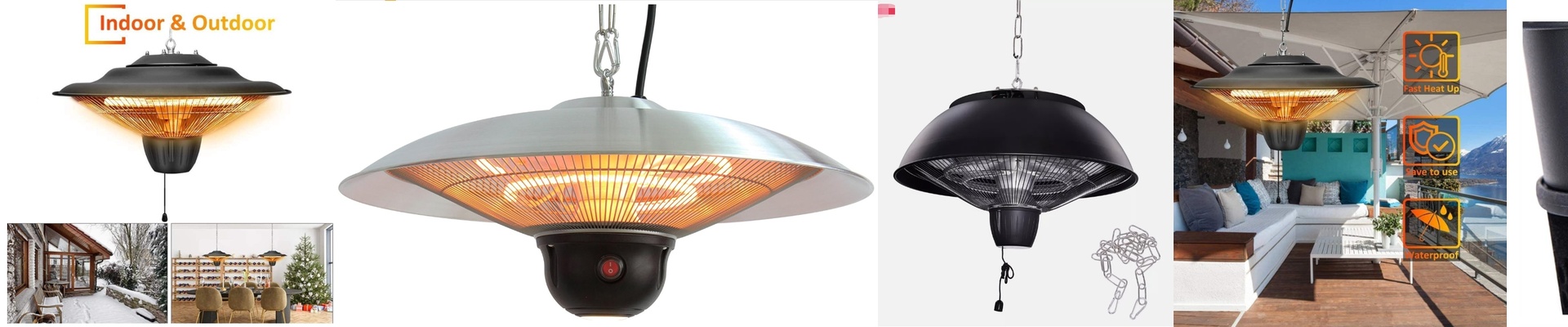

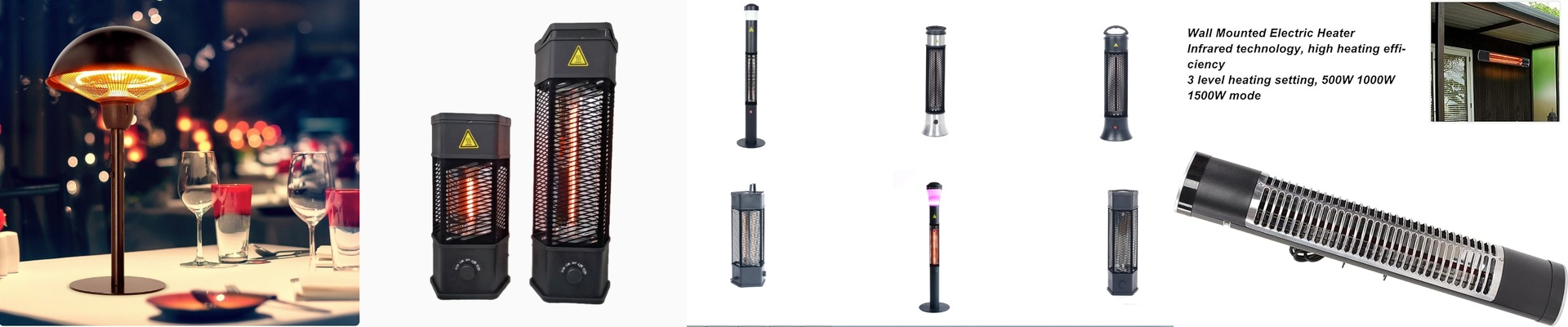
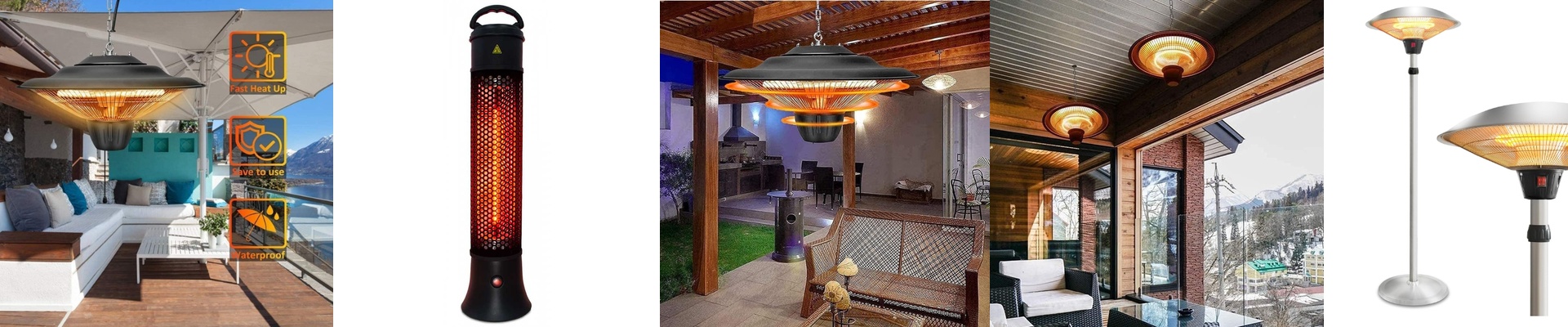
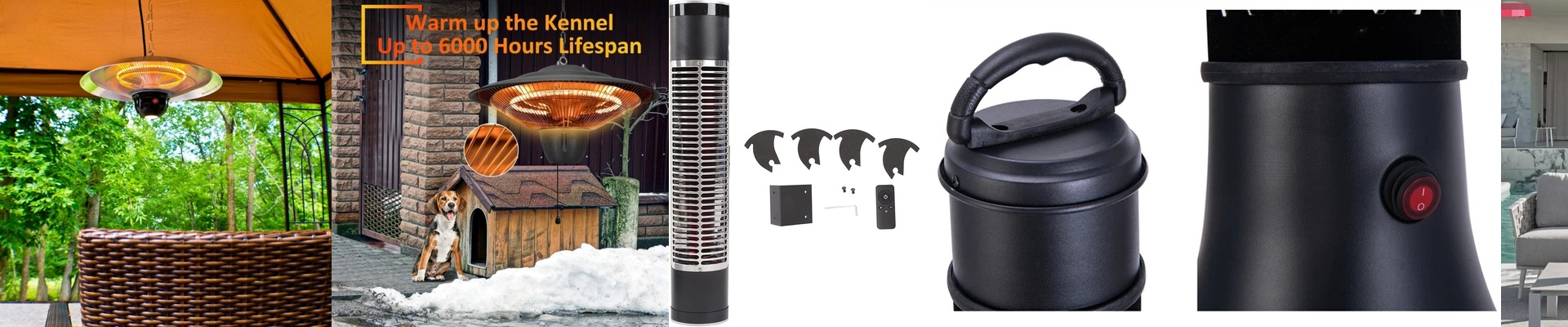
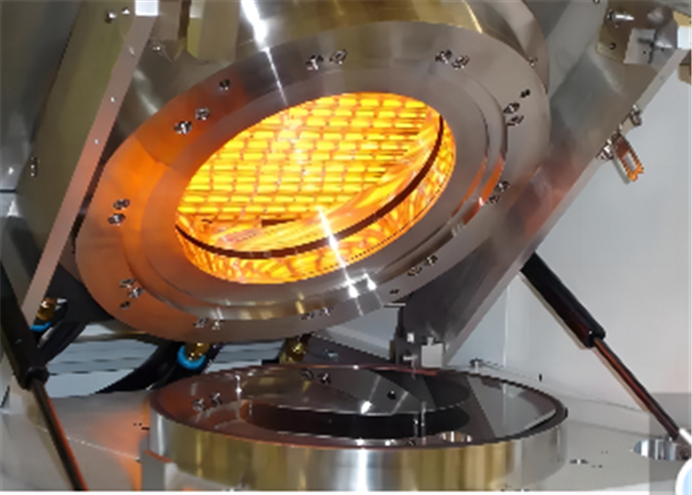
On the fab floor, thermal drift doesn’t show up as a siren and a stop. It shows up as a critical dimension that drifts, an edge bead that thins out, or a yield hit that takes hours to backtrack. In Applied Materials tools, the heater can’t be another variable—it has to be the constant the process leans on.
What matters, technically
We spec the infrared lamp as a matched thermal source for Applied Materials platforms, using short-wave emission so energy goes straight into the wafer and the photoresist, fast. You get wafer-level uniformity within ±0.1°C across the process window, and ramp-up plus soak profiles that repeat. The assembly is built for Class 1–100 cleanroom use, with materials and seals that hold particle generation at zero. Output stays stable for 5,000+ hours, and replacement intervals are predictable, so you can plan maintenance before downtime finds you.
Why it holds up in real process steps
This lamp is aimed at the steps where thermal budget has no room for error: wafer cleaning and drying, where leftover moisture will invite micro-defects, and lithography bakes—Soft Bake and Hard Bake—where temperature accuracy sets profile control and adhesion. Infrared responds quickly, so you cut thermal lag between setpoint and substrate. Cycle time drops without stressing the resist chemistry. Tighter uniformity means fewer rework lots, and the cleanroom-compatible construction keeps defect counts down. Energy use falls because the lamp heats the target directly, not the chamber walls.
The field notes you’ll appreciate
Installation is tool-specific. Confirm lamp length, terminations, and mounting clearances against your Applied Materials hardware revision and chamber setup. The lamp performs best with controlled airflow and clean conditions—too much turbulence adds minor thermal noise. Keep a routine for optical inspection and scheduled swaps to hold the thermal profile steady, and keep spare mounting hardware on hand so changeover stays tight.