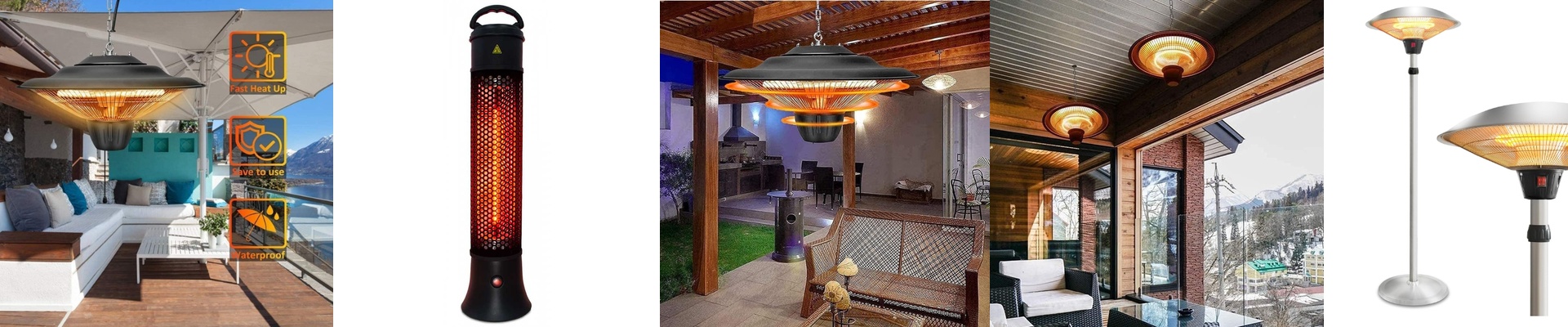

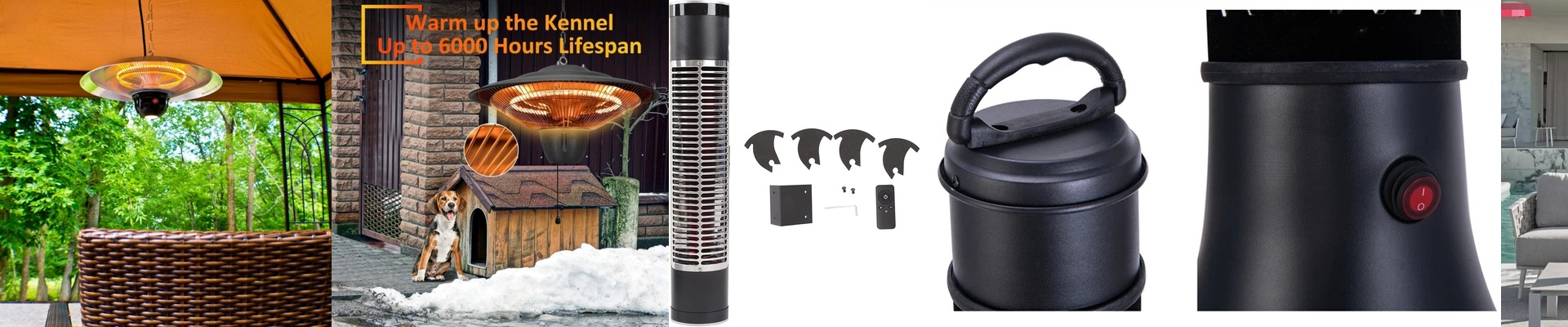
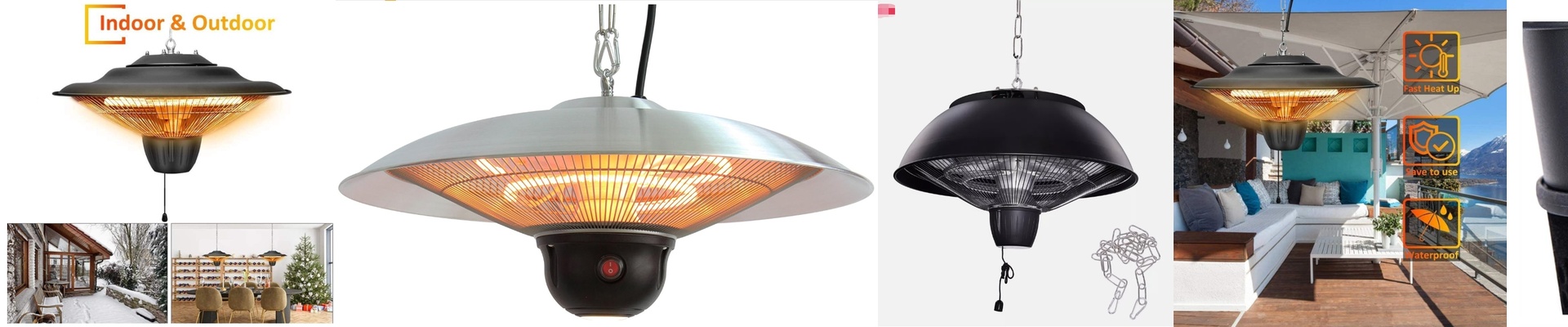
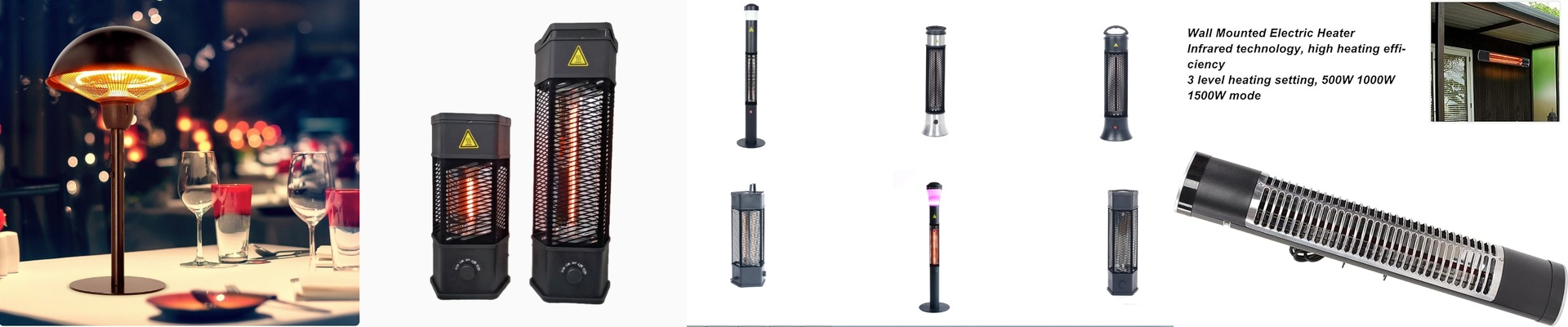
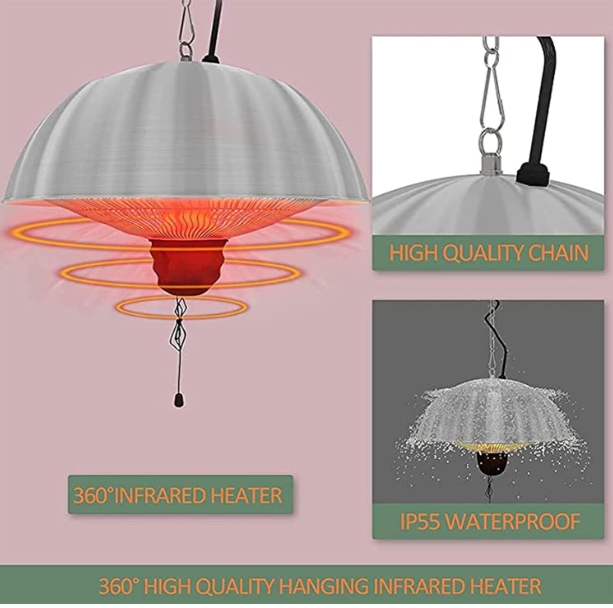
Bathrooms and covered patios need heat that hits fast and feels right—not a rush of warm air that just hangs around where you don’t want it. When the space is small or spread out, sizing the wall-mounted outdoor electric heater wrong is something you feel every time: slow warm-up, a bill that climbs, or a room that never settles into that steady, even glow.
What actually matters, technically
Infrared wall heaters put out radiant heat, warming people and surfaces directly. In wet-rated spaces, the real requirement is a sealed build and a hard-wired, UL-listed connection that can be paired with a thermostat for consistent comfort. Quartz tubes give you a broad, comfortable spread of warmth. Carbon fiber elements heat up quickly, deliver even output, and tend to have a long service life. Power is how you match the heater to the room. A tight 4–6 ft² bathroom is often well matched to a 1500W infrared heater. A larger 10–15 ft² family bath or a covered patio zone usually calls for 2000–3000W. The math is straightforward: more wattage covers more area and recovers faster when a door opens or steam fills the air.
Why this approach works in practice
When you match wattage to room size, comfort stops being a guessing game. You feel the warmth within seconds, and because infrared heats what it touches—not the air—the room feels even from the floor up. Energy use stays sensible because you’re not oversizing for a small space, and you’re not undersizing and forcing the unit to run constantly. In bathrooms, that means quicker warm-up for showers and fewer shocks from a cold floor. On the patio, it means the evening extends naturally instead of waiting around for the air to catch up.
What you need to know before you buy
Installation is straightforward on a solid wall, but it does require a dedicated circuit and proper wiring. If you want the temperature to hold steady, plan for a thermostat. And always confirm the unit’s IP rating is suitable for damp or wet locations. One practical point: infrared is directional, so aim the heater toward seating and bathing zones to get the best effect.