

Winter hits, and the electric bill shows it. Traditional electric oil-filled radiators pull steady power, but most of that heat goes into warming the air, not you. You end up racking up kilowatt-hours long before the room feels comfortable.
What actually matters under the hood
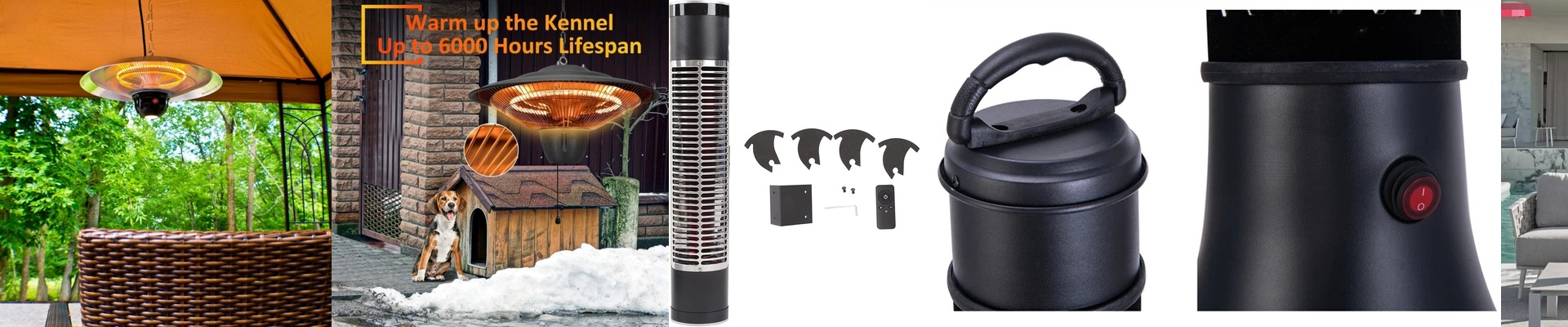
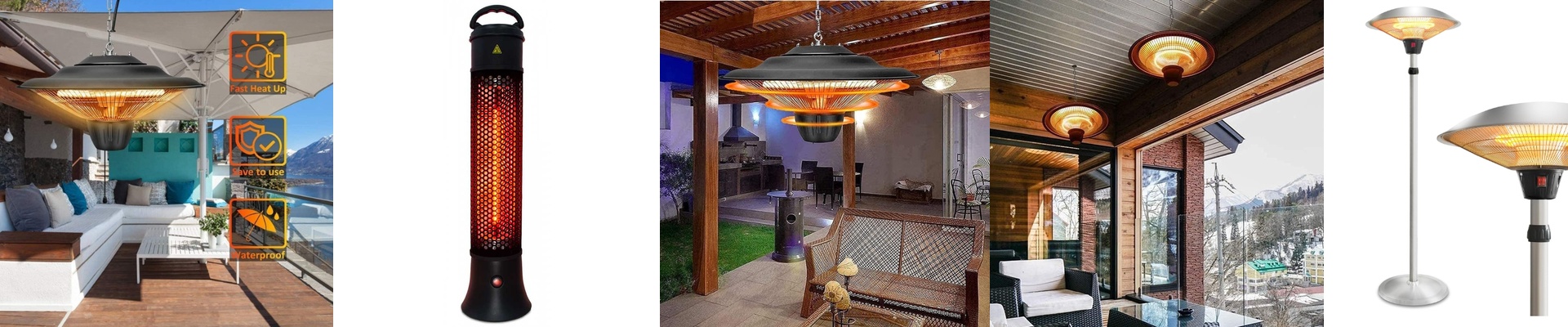
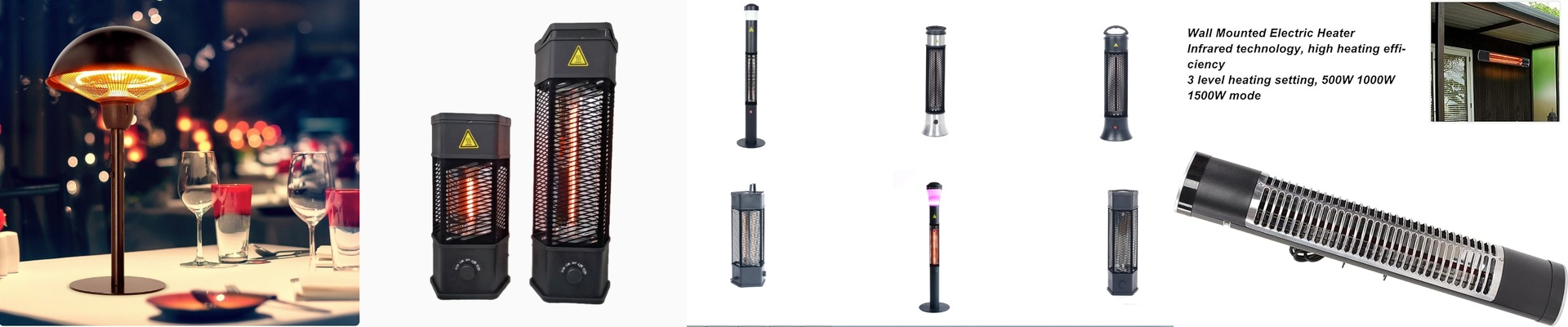
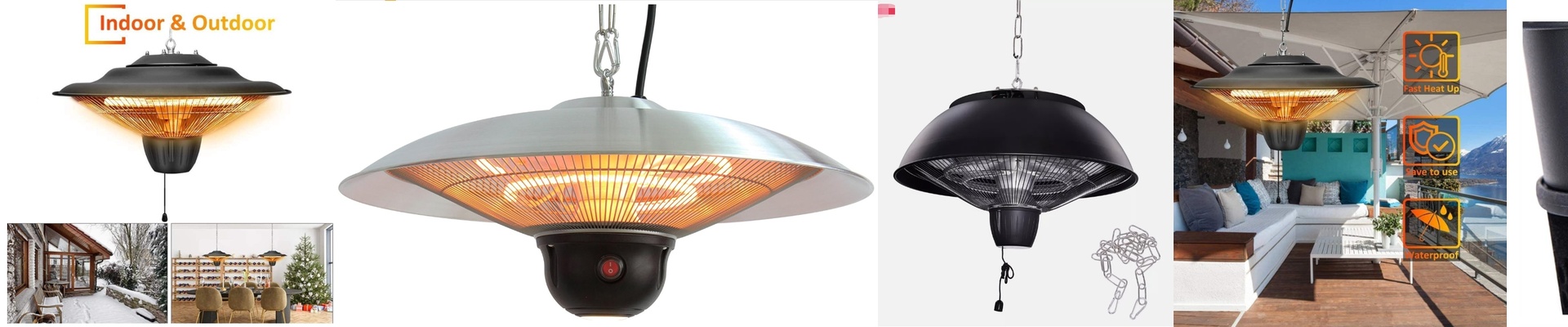
We build our energy-saving electric heaters around carbon-fiber infrared elements. They deliver radiant warmth—heat you feel directly, the same way you feel the sun. In practice, that means less wasted convection and a faster path to comfort. Rated for standard 120V outlets, these units put out focused warmth without rewiring. A built-in thermostat keeps things steady, and tip-over protection adds a practical safety net. The payoff is efficiency: to hit the same perceived warmth, an infrared heater often uses 30–40% less electricity than a comparably sized electric oil-filled radiator.
Why it works in real life
When you compare performance and real-world cost, the difference is tangible. With infrared, you get quicker heat and a more consistent feel, so you can turn the thermostat down and still be comfortable. Over a typical heating season, that efficiency shows up as lower energy bills. You’re not just buying heat—you’re buying predictable expenses.
What to keep in mind
Infrared warmth is directional, so placement matters. Point the unit where you actually spend time, and you’ll feel the benefit right away. For whole-room heating, pair it with a gentle convection source. Also, keep the heater clear of obstructions and moisture. The exterior stays cool, but the radiant element needs airflow to perform consistently.