

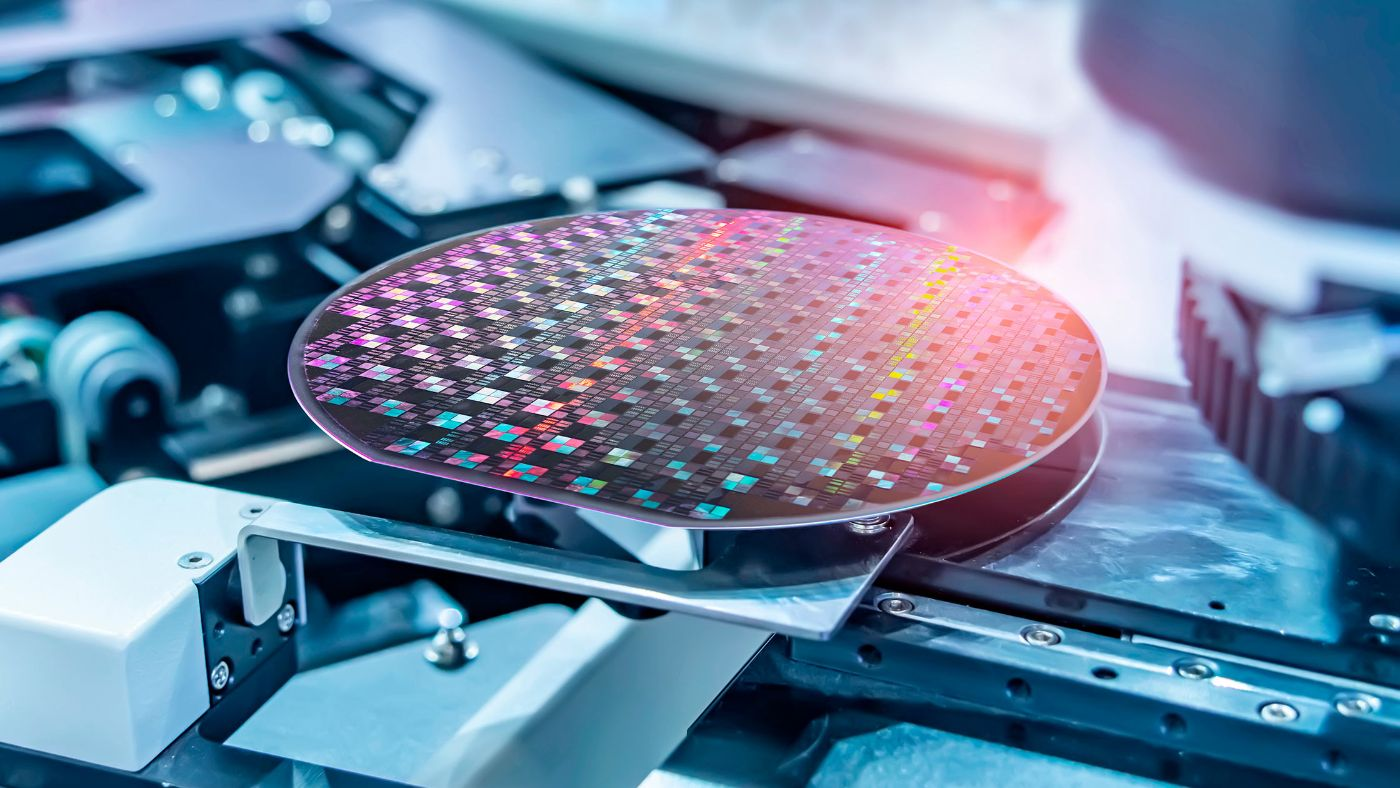
On the fab floor, you know the drill: a half-degree drift in soft bake is enough to knock critical dimension control off and start throwing photoresist defects your way. You need a heat source that behaves like a constant, not another variable to chase.
What matters, technically
We run a twin-tube, gold-coated lamp that leans on short-wave infrared, housed in a gold-coated quartz envelope. The result is fast, directional heating with minimal radiative loss. The twin-tube geometry evens out the load, which cuts down on hot spots and improves spatial uniformity across the wafer. In real terms, you get wafer-level temperature uniformity within ±0.1°C during soft bake and hard bake, and setpoint repeatability of ±0.2°C from batch to batch. The gold coating reflects infrared back into the target zone, which tightens the thermal profile and keeps energy use in check. After 5,000+ hours, the output stays stable, with less than 5% intensity drift.
Why it holds up in production
Photoresist processing doesn’t forgive much. Soft bake sets viscosity and adhesion; hard bake cures the image and preps the stack for etch. This lamp covers lithography lines from 150 mm to 300 mm and plays cleanroom-safe from Class 1 to Class 100, generating zero particles while it runs. You end up with tighter CD control, fewer rework lots, and less scrap. Heat goes where it’s needed, so you’re not wasting energy on fixtures. And it keeps its head under 24/7 duty cycles, which means fewer surprises and smaller maintenance windows.
What to watch for on install
Installation comes down to precise optical alignment and a clean, vibration-isolated fixture. Miss alignment by even a few millimeters, and uniformity takes a hit. The lamp runs at high irradiance, so match the substrate holder thermal management and shutter timing to the recipe. Before you retrofit, double-check voltage and connector compatibility with your track or coater interface. When everything lines up, you get repeatable bake profiles—day after day, lot after lot.