
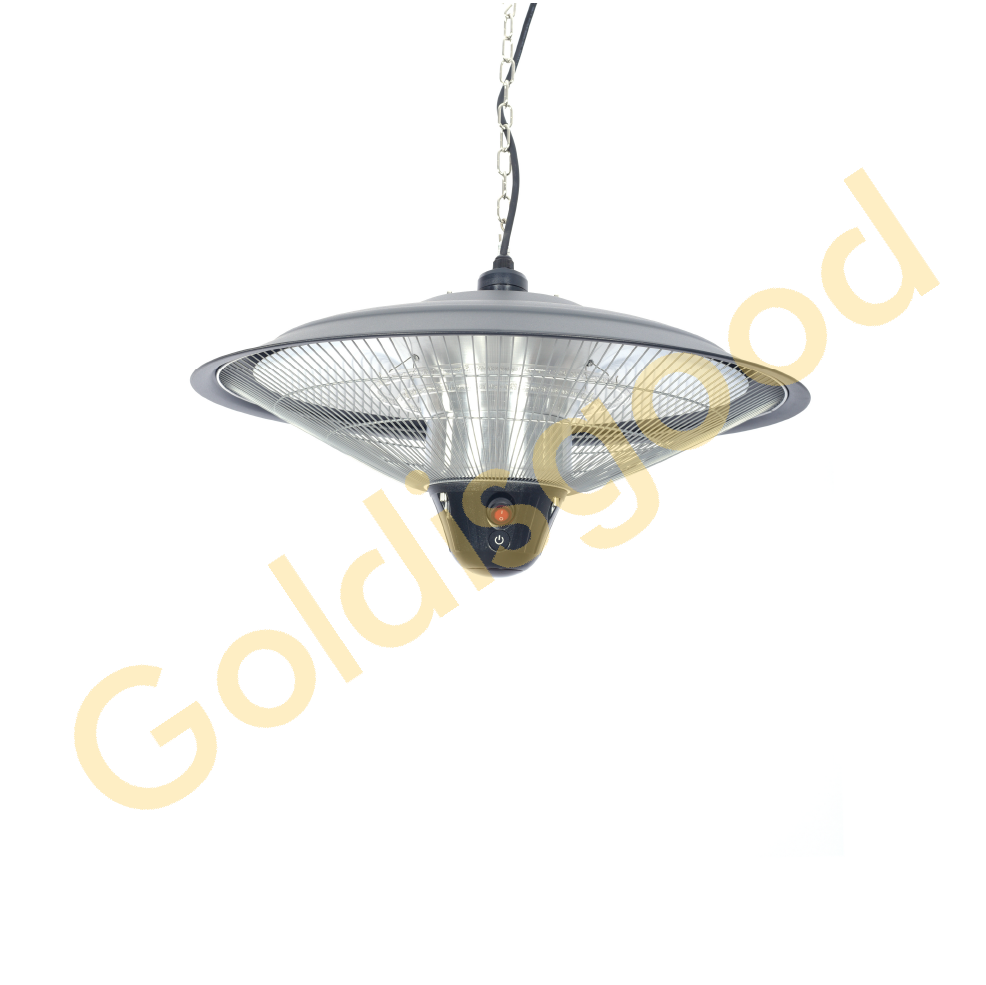
Why we put our bathroom heaters through “the torture chamber”
Let’s be honest: bathrooms are a nightmare for electronics. You’ve got steam everywhere, random water splashes, and the temperature jumping from freezing to sauna-hot in minutes. If a heating lamp isn’t built for this, it’s toast. The seals give out, the metal parts rust, and the whole thing burns out before you’ve even had a dozen showers. Now, we use IP44-rated housings to keep the splashes out, but a rating on a piece of paper doesn’t actually mean the thing will last for years. That’s why we put every single batch through damp-heat aging tests.
The sneaky way moisture gets in
Here is the thing about water vapor: it’s tiny. It can sneak through gaps that liquid water can’t even touch. Once that moisture gets inside the housing, it settles right on the electrical terminals and the glass seals. Then, the lamp heats up and cools down. This creates a kind of vacuum effect, basically sucking moist air straight into the circuitry. If the seals aren’t perfect, you get oxidation. That creates resistance, which leads to overheating, which eventually kills the lamp. Simple as that.
Testing for the “real world”
We don’t just plug a lamp in and say, “Yep, it glows, we’re good.” Instead, we throw them into a climate chamber. We crank up the heat and the humidity for long cycles to basically fast-forward time. We’re looking for the exact moment things start to break. If the insulation fails or the seal warps because of the heat, the unit is trash. We’d rather it fail in our lab than in your ceiling.
Finding the sweet spot
You might think, “Just seal it tight! Make it airtight!” But there’s a catch. If we make the seal too tight, the heat gets trapped inside. The internal components end up cooking themselves in their own juices. So, we spend a lot of time balancing the waterproofing with just enough airflow to let the electronics breathe. It’s a delicate balance, but it’s the only way to make sure these things actually last.