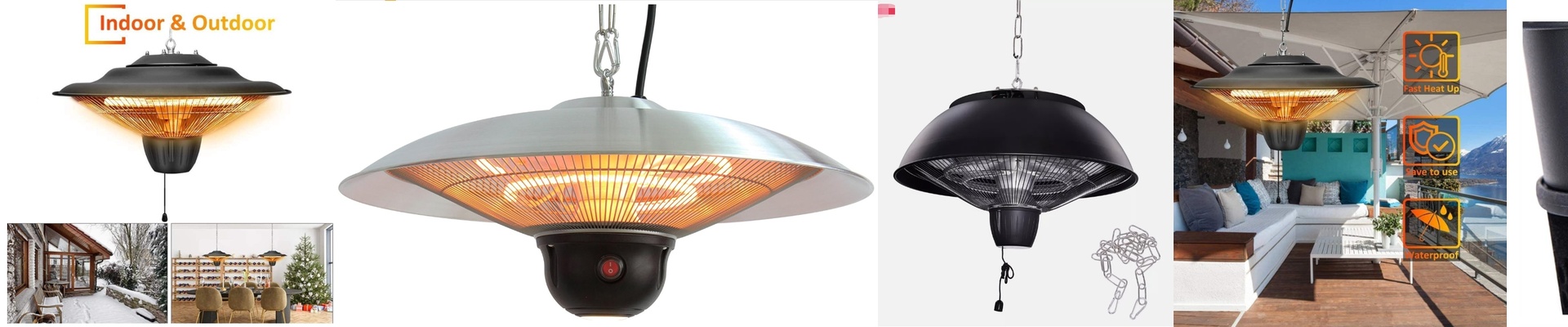

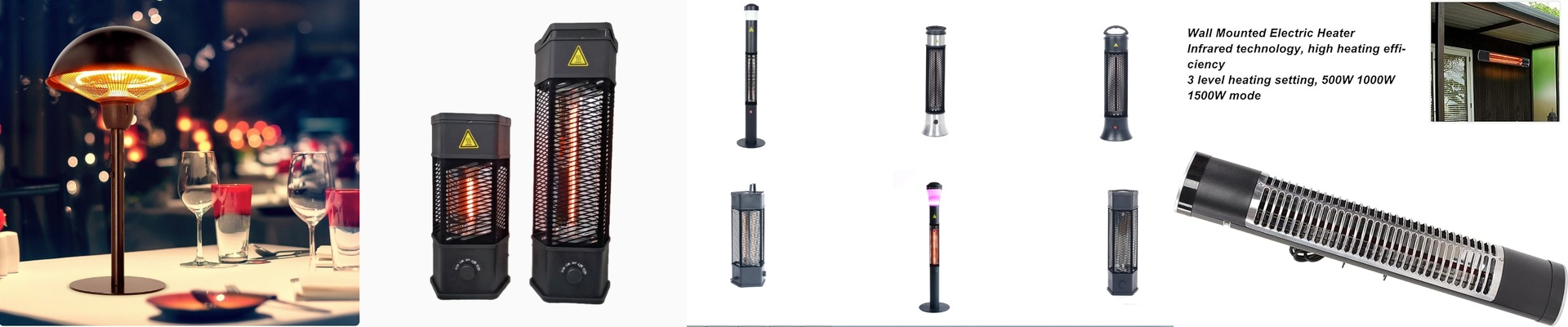
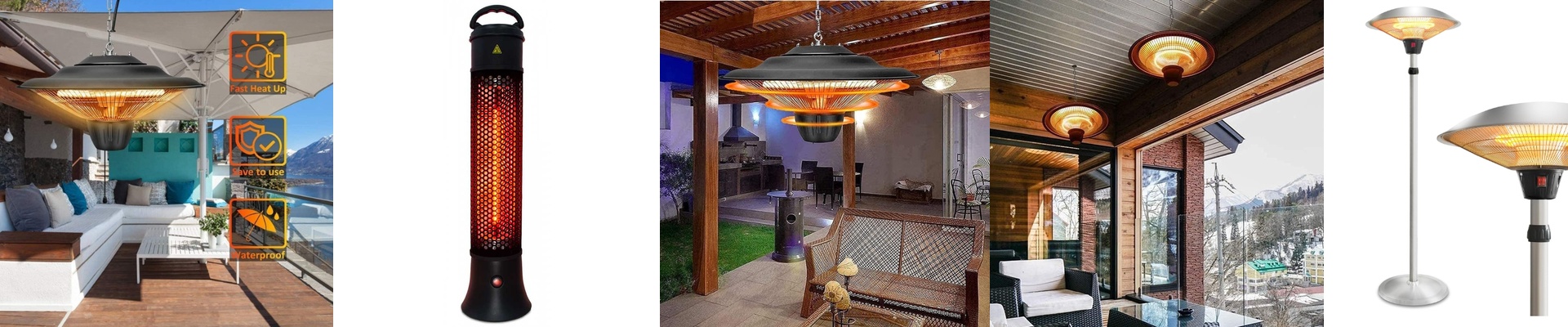
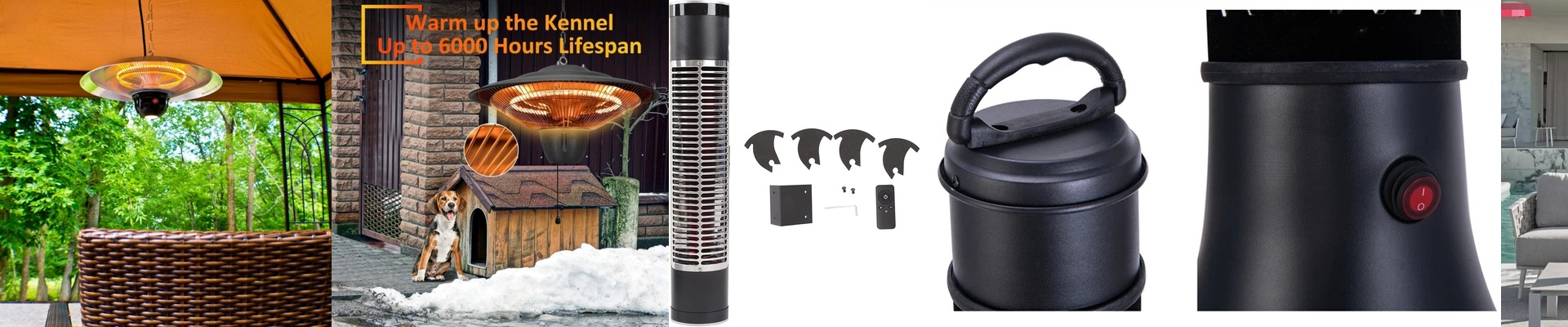
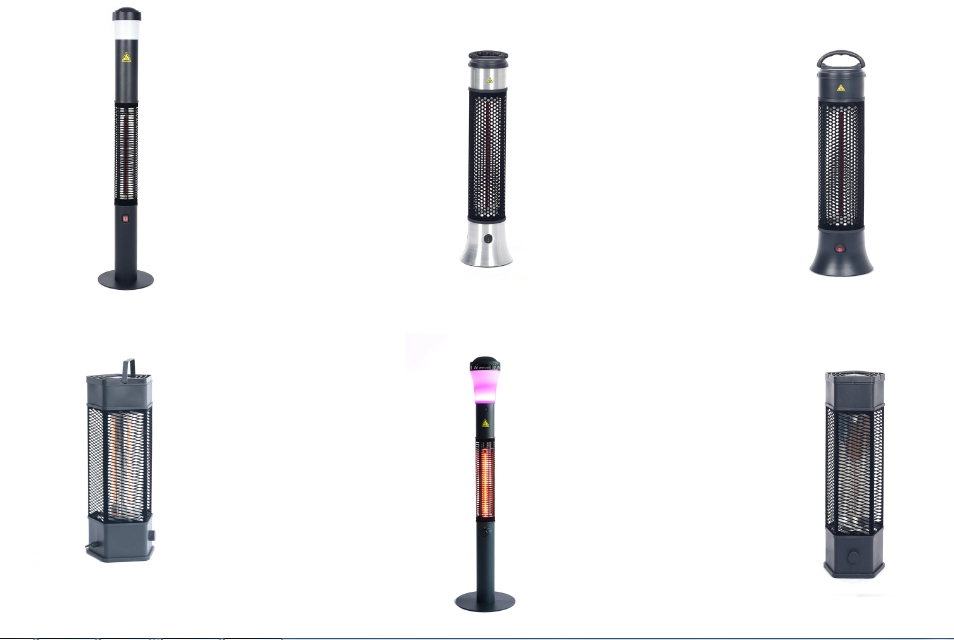
Why We Put Our IP66 Outdoor Heaters Through the Wringer
Let’s talk about our IP66 outdoor infrared heaters. We built these things for the tough spots—places like bathrooms, washdown zones, and anywhere that’s wide open to the elements. These aren’t your average patio heaters. They’re tough. They’re designed to shrug off moisture, steam, and wild temperature swings. So, you might wonder, why do we put every single unit through such brutal damp-heat aging tests before it ever leaves our shop? It’s a fair question. Here’s the answer.
What’s Under the Hood?
We pack a lot of power into a small package. Think of it: a 400V supply, pushing 2500W of heat through a 300mm quartz tube. The result? A serious blast of focused infrared heat, almost instantly. Perfect for warming a specific spot quickly. But with that kind of power comes heat. The filament and the quartz tube itself run incredibly hot. It’s crucial that the housing and wiring around it can handle that extra warmth without a sweat. And that 400V rating? It’s a smart move. It keeps the electrical current lower, which means we can use smaller wires and keep everything stable, even on a long industrial run.
The Secret Sauce: The Materials and Design
We use a halogen-filled, shortwave infrared design inside a heavy-duty quartz tube. The magic is in the chemistry. The halogen gas helps keep the filament healthy, cycling evaporated tungsten back where it belongs. This fights off the blackening you see in other bulbs and helps the heater last longer. The quartz tube itself is a workhorse, built to handle sudden temperature shifts and let that IR energy pass through efficiently. Want even more focused heat? We can add a reflective coating to the tube, so you’re not wasting a single watt. And for the connections, we use an R7s ceramic connector. It’s built to handle the heat and the vibration without ever coming loose. For wiring it up on-site, the Sk15 terminal block is a game-changer. It’s simple, solid, and makes the whole installation process a breeze.
The Real World is the Ultimate Test
You know what the biggest enemy is in bathrooms and outdoors? Moisture. Sure, an IP66 rating means the heater is sealed tight against powerful jets of water. But a good seal is just the start. That’s why we put them through damp-heat aging tests. We essentially recreate years of harsh, humid conditions in a matter of days. We cycle the heat on and off, drenching the internals in steam and moisture, over and over. This is how we find the weak spots—like gaskets that might lose their grip, terminals that could shift, or coatings that might peel. We find those problems right here, in our lab. Not on your job site. Because when you install one of these heaters, you need to know it’s going to work. No guesswork. No worrying if it will give out after a few months. You need a heater that’s proven itself in the worst conditions so it can handle whatever your project throws at it. We do the testing because you deserve a product you can trust, the first time, every time.