
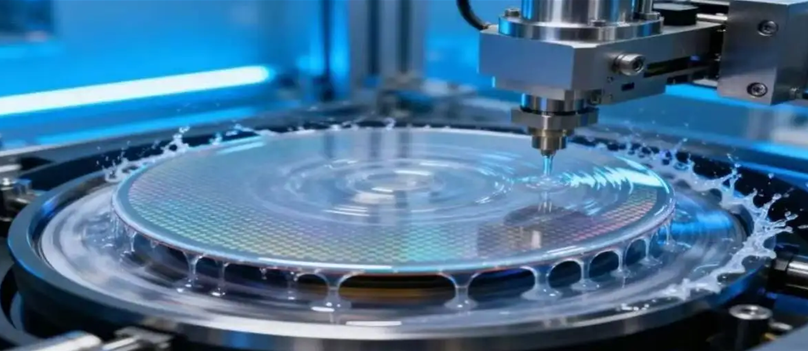
Why we’re ditching convection for IR in the fab
When you’re upgrading clean room gear for a modern line, you’re usually fighting two battles: getting rid of lead-based materials and stoping the massive power bleed. The old-school convection ovens are the problem. They spend all their time heating up the air, which is slow, inefficient, and leaks energy everywhere. It’s like trying to heat a whole house just to warm up one cup of coffee. That’s why we moved to infrared (IR) curing. Instead of warming the air, IR uses radiation to hit the substrate directly. Cutting out the middleman IR curing just skips the fluff. You aren’t wasting kilowatts heating the walls of a giant chamber just to dry a wafer or a photoresist layer. The emitters target the specific absorption bands of the material itself. It’s a much cleaner way to hit those “green” benchmarks. Plus, if you’re working with lead-free solders or polymers, you have to be careful. Those materials can warp or oxidize if the heat isn’t exactly right. IR gives you that precision. It’s a surgical strike instead of a blanket of heat. Saving space (and your sanity) One of the best parts? Your footprint shrinks. You can rip out a bulky, clunky drying tunnel and drop in a compact IR bank. In most cases, it just fits right into your legacy setup. But the real win is the ramp-up time. You don’t have to stand around for an hour waiting for an oven to reach a steady temperature. You turn it on, and you’re basically ready to go. The catch Now, you can’t just swap the heat source and call it a day. IR packs a punch. Because the heat density is so high, you run a real risk of “hot-spotting” or literally burning through your material if the emitters are too close—especially on thin substrates. You’ll need to get your PID controllers and sensors dialed in to handle how fast the temperature jumps. And keep an eye on your cooling system. If it isn’t sized for that localized heat load, you’re going to be hearing thermal alarms all day. At the end of the day, we build these systems to keep things clean. No VOC-emitting heaters, way less power draw per wafer, and a lot less headache.