


Stop Waiting on Your Oven: Why IR Beats Forced Air in Semi Processing
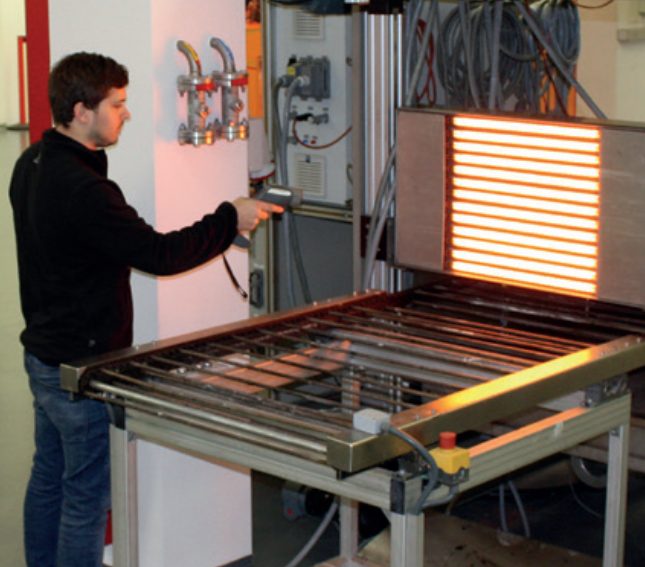
If you’ve spent any time in a semiconductor lab, you know the frustration of waiting for hot air to circulate. It’s a slog. Forced air is basically a waiting game: you heat the air, then the chamber, and finally—if you’re lucky—the substrate. It’s slow, and in a high-pressure production environment, that lag feels like an eternity. That’s where clean room infrared (IR) lamps come in. Instead of warming up the whole room, IR just beams energy straight into the target. It’s a completely different feel. When you move from a convection oven to an IR bench, you stop treating the whole volume of air and start targeting the surface. These lamps hit their operating temperature in seconds. No more staring at a timer waiting for a “warm-up cycle” to finish. For your team, this means the time spent on every single wafer drops. You ramp up faster, soak for less time, and actually get things moving. But, there is a catch. Since these lamps pack a lot of punch in a small space, they create a ton of concentrated heat. You can’t just slide an IR array into a spot designed for cool air and hope for the best. You’ve got to make sure your HVAC and exhaust can actually handle that radiant load, or you’re just trading one problem for another. Then there’s the cleanliness factor. Fans are basically dust-movers. They blow particles around, which is the last thing you want in a clean room. IR doesn’t move air. It’s static. It’s quiet. It’s clean. We see the biggest wins in the curing, drying, and degassing stages. Instead of waiting for a chamber to “saturate,” the IR lamp hits the material instantly. It’s direct. It’s fast. And for any facility trying to push more wafers through the line without sacrificing quality, it’s usually the first change they make.