


Keeping Your Fab Dry Without the Mess
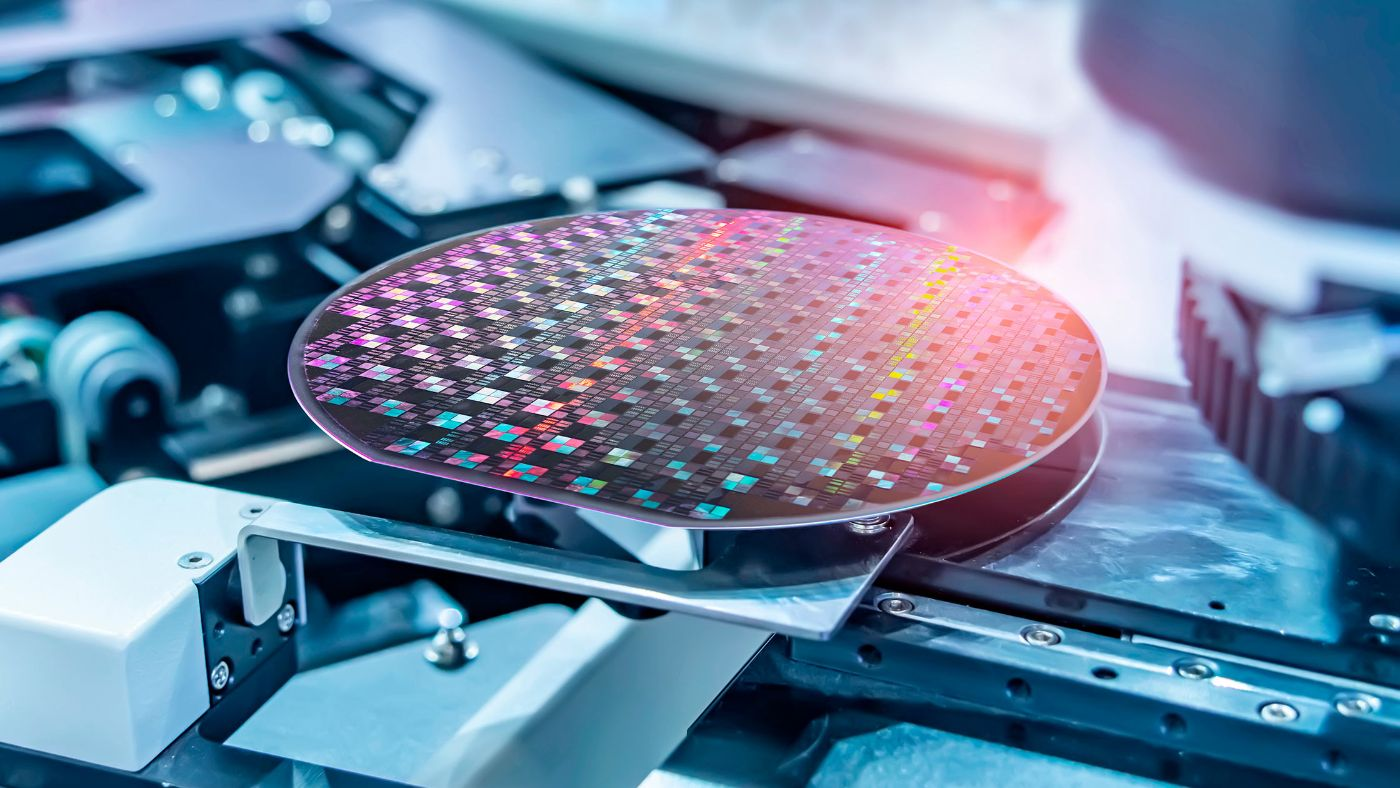
If you’re running a Class 100 cleanroom, you already know the nightmare of particulate shedding. One tiny flake from a cheap heating element or a bit of off-gassing from a low-grade lamp, and your wafers are ruined. Yields tank. It’s a disaster. That’s why we stick with high-purity synthetic quartz for our infrared lamps. It just keeps things clean.
Why Quartz Actually Works
We use fused silica quartz because it doesn’t freak out when the temperature swings. It has a very low coefficient of thermal expansion, which is a fancy way of saying it won’t crack when you heat it up and cool it down quickly. But here’s the real win: it doesn’t leak volatile organic compounds (VOCs) when it gets hot. You get pure IR emission. No chemical ghosts haunting your substrates.
Built for the Cleanroom
We designed these lamps with a sealed envelope. No porous materials, no hiding spots for dust. The surface is smooth as glass, so particles can’t really find a place to cling. And we paid a lot of attention to the wiring. Usually, the connection points are where the trouble starts—that’s where metallic bits like to migrate into your production zone. We used specialized terminations to shut that down.
A Few Things to Watch Out For
Now, let’s be honest: high-purity quartz is brittle. It handles heat like a champ, but it hates being bumped. If you’ve got a lot of mechanical vibration, you’ll want to use dampened mounting brackets. Also, don’t jam the lamp too tightly into its housing. It needs a little room to breathe as it expands, or it’ll just snap.
The Upside for Your Ops
Since we’re using short-wave IR, you’re heating the surface directly. You aren’t wasting energy heating the air around it. This is a huge relief for your HVAC and filtration systems. Your ramp-up times get faster, and your drying station takes up way less space. It just makes the whole workflow feel lighter.