
Keeping Your Infrared Heaters from Dying Early
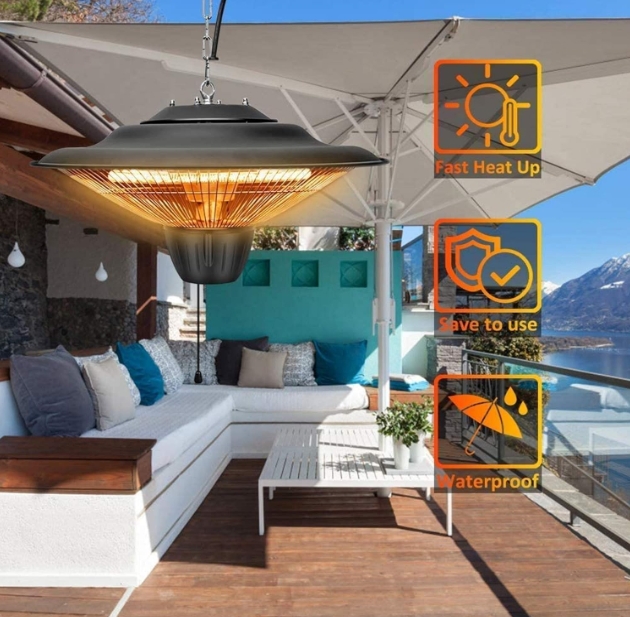
If you’ve ever had an outdoor heater give up on you halfway through the winter, you know how frustrating it is. Usually, it’s not a fluke. The real culprits are moisture and condensation. Here’s the deal: when water vapor hits a scorching hot quartz tube, it causes “thermal shock.” Or worse, water seeps into the electrical terminals and shorts the whole thing out. It’s a quick way to turn an expensive piece of gear into a paperweight. We got tired of seeing that happen, so we built our high-output units with specific splash-proof and anti-fog hardware to stop it. The battle against fog Think about those cold nights. When that freezing air hits the warm housing of the heater, you get condensation. If fog builds up on the lens or around the heating element, it traps heat and creates dangerous hotspots. To fix this, we use hydrophobic coatings—basically a surface that hates water—and vented housings. This lets the moisture slide right off. It keeps the heat flowing efficiently and stops the internals from rusting away. Stopping the splashes A little bit of rain or some cleaning chemicals hitting the wiring can kill a heater in seconds. It’s brutal. We use sealed gaskets and reinforced cable entries to keep the guts of the machine dry. By blocking water from reaching the power terminals, we stop the arcing and oxidation that usually eats these machines from the inside out. The tricky part: Airflow Now, you can’t just seal a heater in a plastic box. If it’s completely airtight, the electronics will overheat and fry. It’s a balancing act. We use strategic drainage points and thermal vents that let the heat breathe but keep the rain out. Just a heads-up: when you’re installing these,**don’t block the vents.**If you do, you’ll likely trip the thermal cutout and the heater will just shut down. We’ve seen these tweaks make a massive difference, especially in coastal areas or humid spots where standard heaters usually die in a single season. It really just comes down to two things: keeping the electronics dry and the quartz tube clear.