
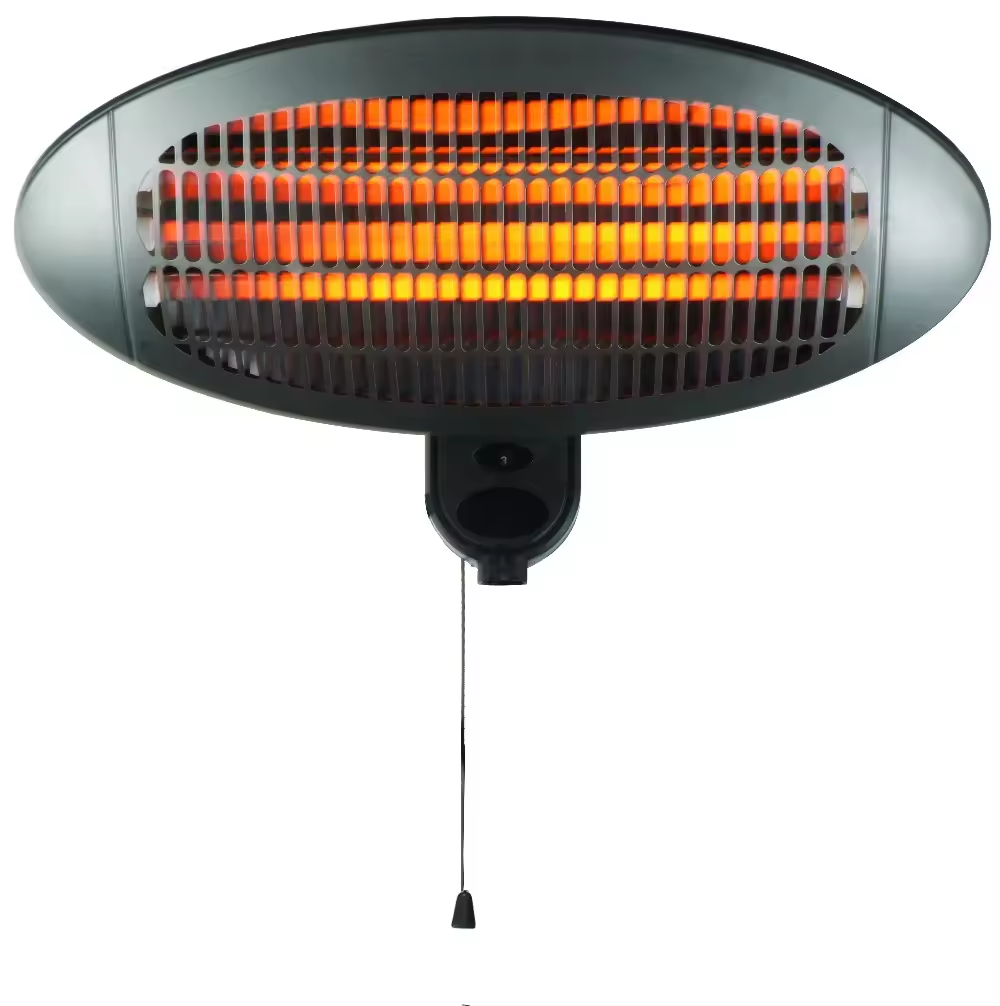
Stop Fighting Your Heaters: Why Modular Design Actually Matters
Here is the reality of outdoor heating: the chassis usually lasts forever, but the heating elements? They always burn out eventually. It’s just physics. When you’re running IP55-rated heaters, you’re putting them in the line of fire—dust, rain, and humidity. Over five years, those tubes are going to degrade. It’s not a matter of if, but when. The nightmare of the “fixed” design Most patio heaters are built like a sealed vault. If one single element dies, you’re stuck. You have to strip the whole housing or tear apart the electrical shielding just to get to the part that broke. It’s a pain. It kills your uptime, and it costs a fortune in labor. Basically, you’re spending two hours of a technician’s time to fix a ten-minute problem. A better way to swap parts We decided to stop doing it that way. Instead, we moved to a modular system. Instead of hard-wiring the element directly to the main board, we use standardized connectors. Think of it like a plug-and-play setup. When a tube finally gives up the ghost, you don’t need to get out the soldering iron or rewire the whole unit. You just unscrew the retaining clips, pull the old module out, and drop a new one in. The best part? You never have to open the main electrical junction box. That keeps the IP55 seal tight and keeps the moisture out of your controller. You’re in and out in minutes. The honest trade-offs Now, nothing is perfect. Using modular connectors adds a tiny bit of contact resistance compared to a permanent solder joint. To fix that, we used oversized copper terminals. It stops any heat from building up at the connection point, so you don’t have to worry about it. Also, the internal footprint is a bit larger to make room for those sockets. The chassis is a few millimeters wider. But if you’re a facility manager looking after ten or twenty units, that extra bit of width is a steal. You’re trading a tiny bit of space for a massive amount of time. It turns a grueling two-hour teardown into a quick ten-minute swap. That’s a win in my book.