


Keeping Your Fab Clean: The Truth About Heat
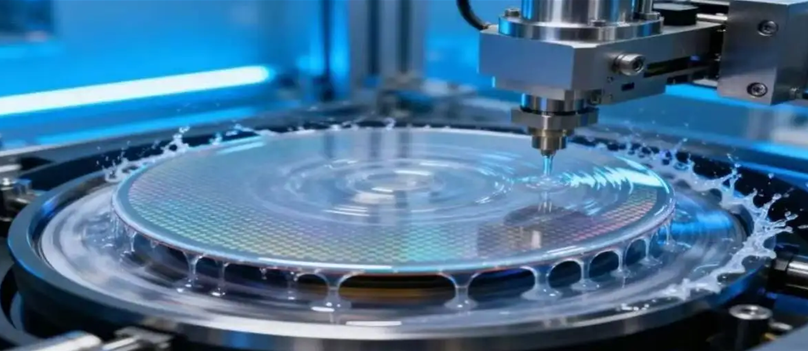
If you’re running a Class 100 cleanroom, you already know the nightmare. One tiny piece of flake or a stray bit of outgassing, and your yield takes a dive. Most heating elements just aren’t built for this. Their coatings start to peel, or their housings leak microscopic junk right into the wafer path. It’s a disaster waiting to happen. That’s why we went with high-purity synthetic quartz for our infrared lamps. Why quartz actually works We use fused quartz because it’s incredibly “clean.” No metallic impurities to worry about. Unlike the glass you’d find in a cheap heater, this stuff can handle being blasted with heat and then cooled down over and over again without cracking. It also doesn’t off-gas those annoying volatile organic compounds (VOCs). Think of the quartz envelope as a vault. It locks the tungsten filament inside so nothing—absolutely nothing—escapes into your production line. Heat where you actually need it Here’s the best part: these lamps are designed for high-density heat transfer. Instead of wasting energy heating up all the air in the room, we focus the infrared spectrum right onto the substrate. Your HVAC system will thank you for the lighter load. Plus, you get your wafers up to temperature faster, and the heat is spread evenly across the surface. No hot spots. No guesswork. Fitting them in (and a quick warning) We made these to be drop-in replacements. We precision-machine the ends so they slide right into your existing brackets without any fuss. But look, there’s a catch. High-wattage quartz lamps getintense. If you’re pushing the power to the limit, you have to make sure your chassis cooling can keep up. If the air around the lamp ends gets too hot, you’re looking at burnt-out wires or seal failures. Just double-check your airflow patterns. Make sure the heat isn’t soaking into the housing, and you’ll be golden.