


Getting Your Fab’s Heating Right in the Digital Age
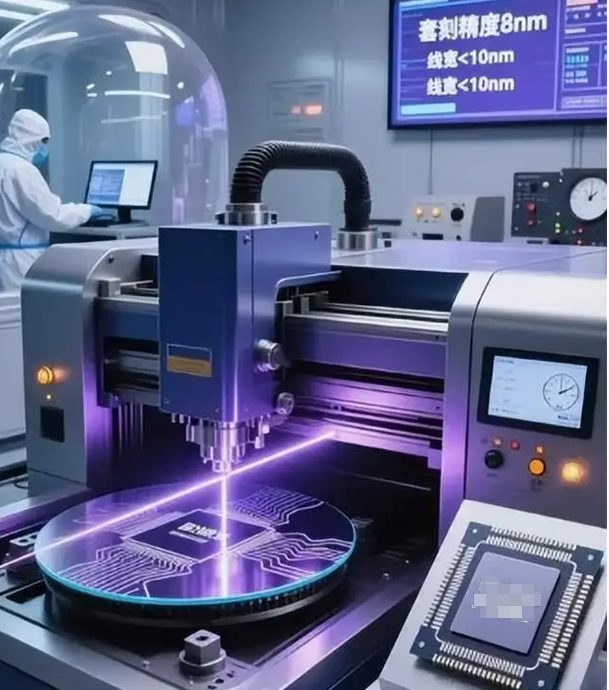
If you’re building a Smart Fab, you’ve probably realized that the old ways of heating things just don’t cut it anymore. We’ve moved toward high-efficiency infrared (IR) systems for wafer heating for one simple reason: they’re fast. In a world where everything is data-driven, your heating element can’t just sit there pumping out heat. It needs to react. It needs to be a tool you can control in real-time.
Why the Physics Actually Matter
When you’re processing wafers, “close enough” isn’t good enough. You need total uniformity. The beauty of IR is that it uses radiative transfer. Basically, it hits the silicon surface directly without waiting for air to move the heat around. That kills the thermal lag. When you hook these systems up to a PLC with real-time feedback, you can tweak temperatures in milliseconds. That’s the secret sauce for a truly digitized line. Try doing that with old-school resistive heaters and you’ll find the thermal inertia is just too sluggish to keep up with high-speed automation. It’s frustrating, and it slows everything down.
Making it Fit and Making it Work
Modern Fabs are tight on space. That’s why we use short-wave IR emitters. They give you a lot of power in a tiny footprint. Plus, we keep the design modular. You can set up specific zones depending on the size or thickness of the wafers you’re running that day. It’s flexible. But here’s the thing: keep a close eye on your power draw. These high-density arrays pull a lot of current. If your electrical layout is sloppy, you’ll get voltage drops. That leads to inconsistent temperatures, which is the last thing you want. Make sure your power supplies can handle the peak load, or you’ll deal with flickering and drift right when you’re ramping up.
The Trade-offs (Because nothing is perfect)
IR is incredibly fast, but it’s a bit picky. If any gunk—like outgassing from a seal—gets on the emitter surface, you’ll get hot spots. It happens. To stop it, you need a strict cleaning schedule. I always suggest adding optical sensors to keep an eye on the emitters. It turns a “blind” process into actual data. Instead of guessing when a lamp is dying, your predictive maintenance software just tells you. It takes the guesswork out of the day.