

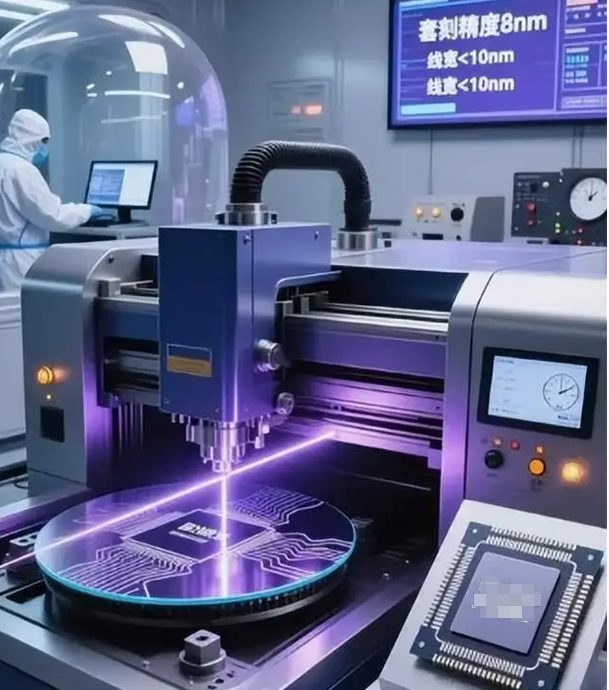
On the fab floor, thermal drift in a photoresist bake or wafer drying step isn’t some abstract concern—it shows up as real defects and yield loss. When the oven or hotplate can’t hold temperature within spec, line-width control goes sideways, adhesion falls apart, and particle counts climb. We designed our infrared heater elements to take that variability out of the equation, because in semiconductor processing the thermal budget is tight and repeatability is the only acceptable setting. What matters, technically Our infrared heater elements hit wafer-level thermal uniformity of ±0.1°C, so soft bake and hard bake profiles stay stable. The response is quick, which keeps temperature overshoot down when the lid opens or when you swap batches. The design generates zero particles and fits cleanroom Class 1–100 without drama. Output stays consistent over 5,000+ hours, with less than 5% drop, so you can plan maintenance instead of chasing unplanned downtime. Why this works in lithography and drying In lithography, the soft bake sets solvent evaporation and film stress; even small drift changes how critical dimensions behave. In wafer drying, leftover moisture is a straight path to microbridges and contamination. Our infrared approach targets those bottlenecks, tightening the process window and improving repeatability lot to lot. You end up with tighter CD control, less rework, and lower energy use per wafer—because the energy goes straight to the substrate, not into heating the chamber. Here’s what you need to get right Installation means matching emitter wavelength and power density to your tool’s reflector geometry and the thermal sensor feedback loop. Hooking it up to existing equipment is straightforward, but the control strategy has to line up—open-loop intensity won’t substitute for closed-loop temperature control. Plan a short commissioning run to tune the recipe and confirm uniformity across the wafer map before you go full production.