
More Than Just a Warm Bathroom: How Infrared Actually Kills Mold
Most of us think of those bathroom heat lamps as a luxury—something to keep you from shivering when you step out of the shower. But if you look under the hood, they’re doing something way more important than just keeping your toes warm. They’re actually fighting a war against moisture.
Why your usual heater isn’t cutting it
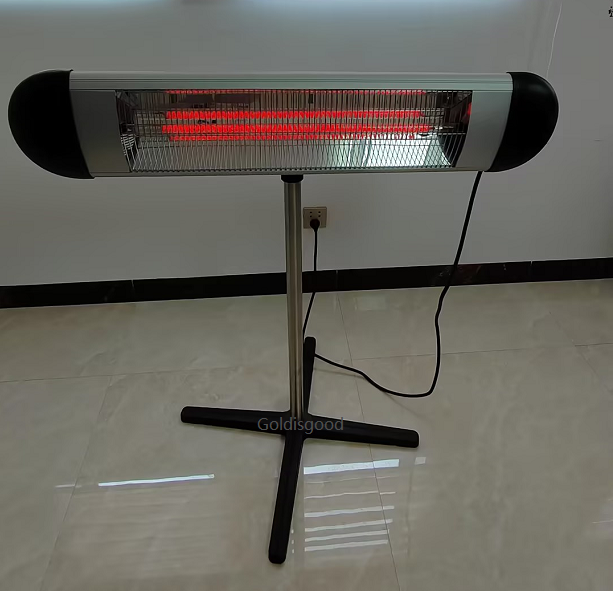
Here’s the thing about standard heaters: they just warm up the air. But air is tricky. It leaves cold spots in the corners and on your tiles, and that’s exactly where the steam clings and turns back into water. Infrared is different. Instead of heating the air, it beams heat directly onto the surfaces. When your walls and ceiling stay warm, the water can’t settle. It just doesn’t happen. And since mold needs a damp place to call home, you’re basically taking away its food and shelter. It’s a lot faster than waiting for a noisy exhaust fan to slowly suck the humidity out of the room.
Getting the power right
To make this work, the bulbs use specific quartz and filaments to punch through the dampness. It’s all about that high-intensity heat that flash-dries your walls the second you turn it on. But you have to be smart about the wattage. If the lamp is too weak, the walls stay cool, and the mold wins. Go too overboard, and you’re putting too much stress on your wiring and the fixture itself, which is a quick way to burn everything out. It’s a balancing act.
The catch (because there’s always one)
These systems are pretty low-maintenance, but they aren’t magic. Dust is the enemy here. If the quartz tubes get dirty, they create “hot spots” that can actually crack the glass. A quick wipe-down keeps things running smooth. And remember: infrared works like a flashlight. It only heats what it can “see.” If you’ve got a deep alcove or a weirdly shaped corner that the light can’t reach, that spot will stay damp. You might still find a bit of mold hiding in those shadows, simply because the heat couldn’t find them.