
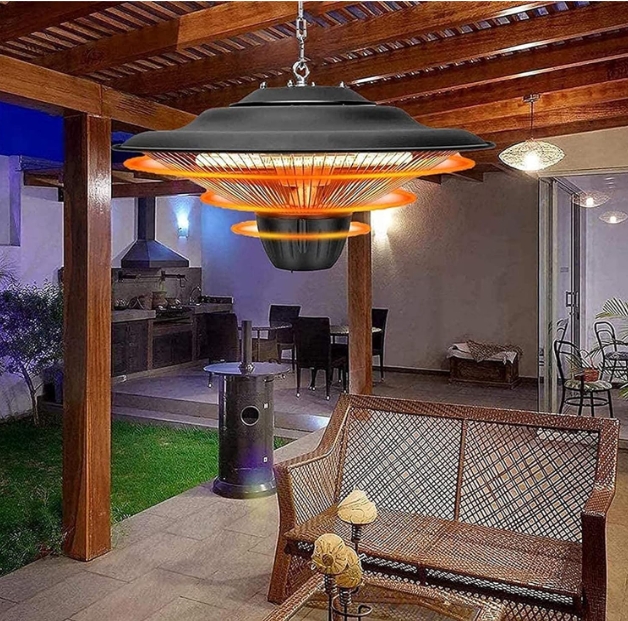
Let’s Talk About Bathroom Heater Lights
Most bathroom heat lamps use short-wave infrared to get you warm the second you flip the switch. It works, but standard halogen tubes have a nasty habit of blasting you with blinding light and UV rays. If you’re setting this up for a family—especially if there are babies in the house—that’s a problem. You can’t just turn the dimmer down to fix it. You actually have to change the kind of light coming out of the bulb.
Saving Your Eyes
To keep those sensitive eyes safe, we use quartz glass with special coatings. Think of it like a filter. It blocks out the harsh blue light and UV rays that strain your retinas, but lets the actual heat waves slide right through. This pushes the output toward the mid-to-long wave spectrum. The result? A much softer glow. It isn’t just about making the room look nice; it’s about safety. By narrowing that light spectrum, we get rid of that piercing glare that makes babies blink and squint.
The Nitty-Gritty of the Hardware
We usually go with a gold or tinted coating on the glass. This helps the tube spread heat more evenly across the floor, so you don’t have those annoying “hot spots” and cold patches. But here’s the thing: those coatings add a bit of internal pressure to the tube when it heats up. If you’re running these on a high-wattage circuit, make sure your reflectors are polished aluminum. It stops the housing from soaking up too much heat and melting or warping.
A Few Tips for Installation
These are designed to be simple drop-in replacements for your old fixtures. We used standard connectors to keep everything compact and easy to fit. Just one big warning:check your ventilation. If the fixture is sealed too tight, the heat has nowhere to go. It builds up inside, fries the tungsten filament, and your lamp burns out way faster than it should. Give it some room to breathe.