Stop Losing Money Every Time the Temperature Drops
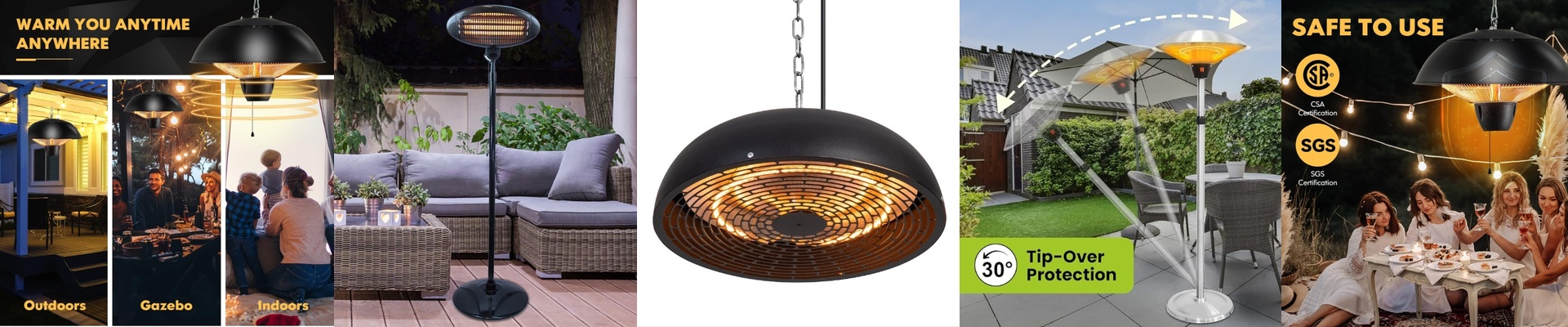
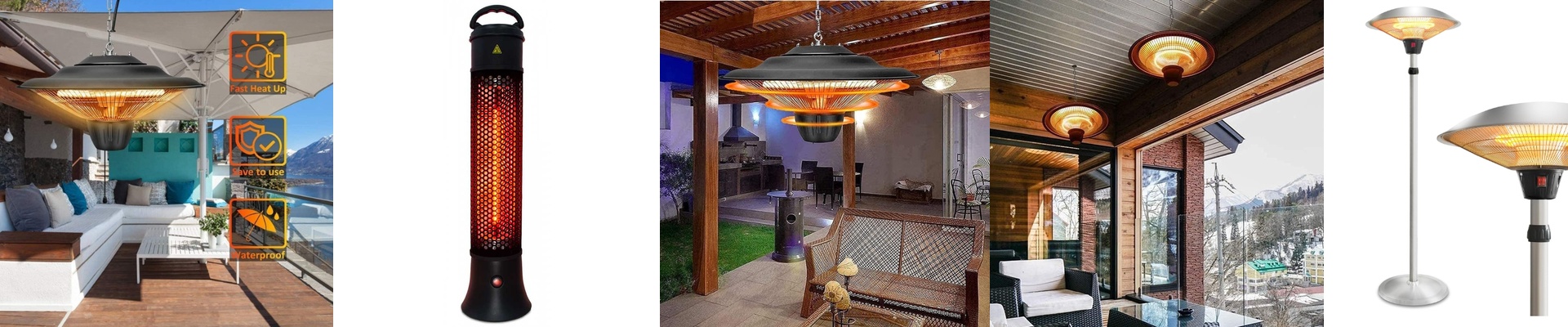
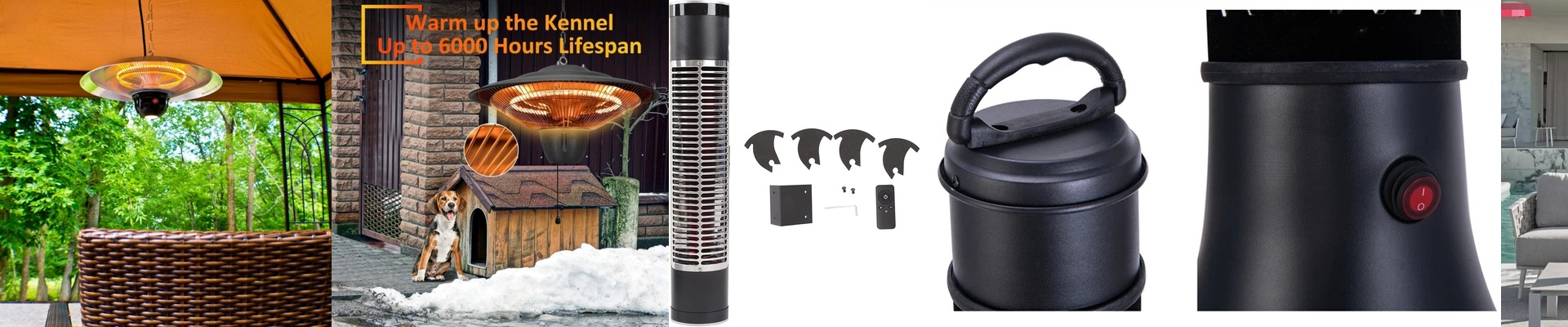
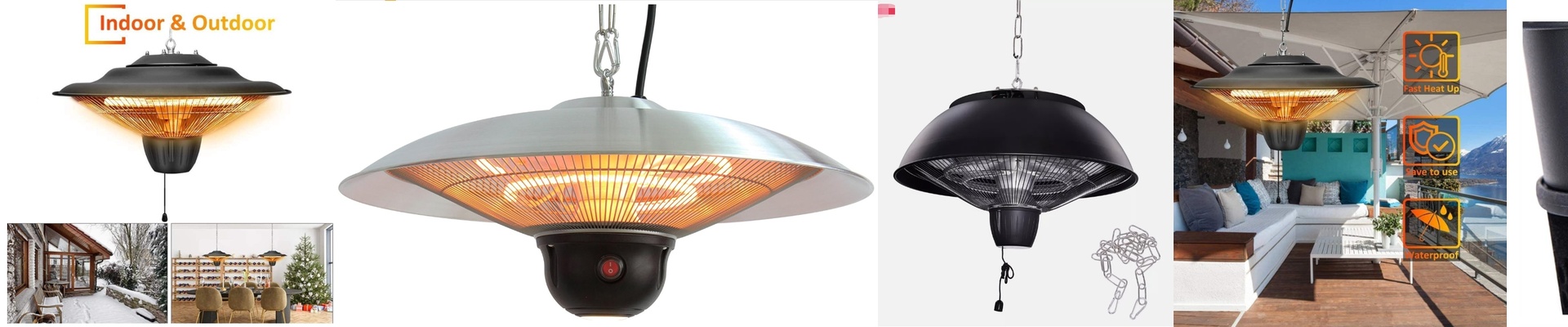
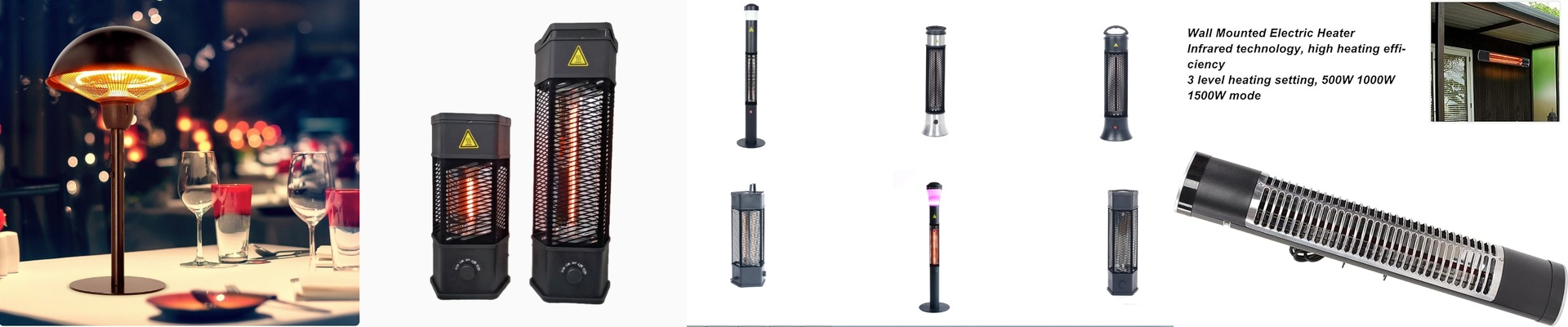
Let’s be honest: as soon as it gets chilly, your outdoor seating becomes a ghost town. Most restaurants try to fix this with standard space heaters, but those things are basically useless outdoors. They try to heat the air, and in an open-air patio, the wind just carries that warmth away before it ever reaches your guests. We do things differently. We use shortwave infrared. Instead of fighting the wind, this tech heats people and objects directly. It feels like stepping into a patch of sunlight on a cold day. Built for the chaos of a real kitchen Patios are messy. Between sudden rainstorms and staff hosing down the decks at closing time, your gear takes a beating. That’s why we use IP65-rated enclosures. In plain English? They’re sealed tight. Dust stays out, and water doesn’t get in. You don’t have to worry about a short circuit just because the weather turned south. And the best part? There is no “waiting for it to warm up.” You flip the switch, and it’s hot. Period. Think about your guests. Nobody wants to spend the first twenty minutes of their dinner shivering in a coat while the heater slowly reaches temperature. When the heat is instant, people relax faster. And when they’re relaxed, they stay longer and order more. The nitty-gritty on the gear We use quartz glass tubes with special coatings to keep the heat from scattering. Instead of a vague glow, the heat is focused exactly where your customers are sitting. We pair those with polished aluminum reflectors to push that warmth further. But a word of warning: these units pack a punch. If you just plug a bunch of 2kW heaters into an old electrical panel, you’re going to trip a breaker right in the middle of the Friday night rush. Trust me, you don’t want that. We always suggest dedicated circuits so your lighting and POS systems stay on while your guests stay warm. Making the math work When you get this right, your patio stops being a “seasonal” thing and starts being a year-round money maker. More seats filled equals more tickets sold. It’s that simple. Just keep in mind that these lamps don’t last forever. You’ll need to swap the tubes out every few thousand hours. My advice? Handle the maintenance during the slow shoulder seasons. You definitely don’t want to be climbing a ladder to replace a burnt-out element while your dining room is slammed.