
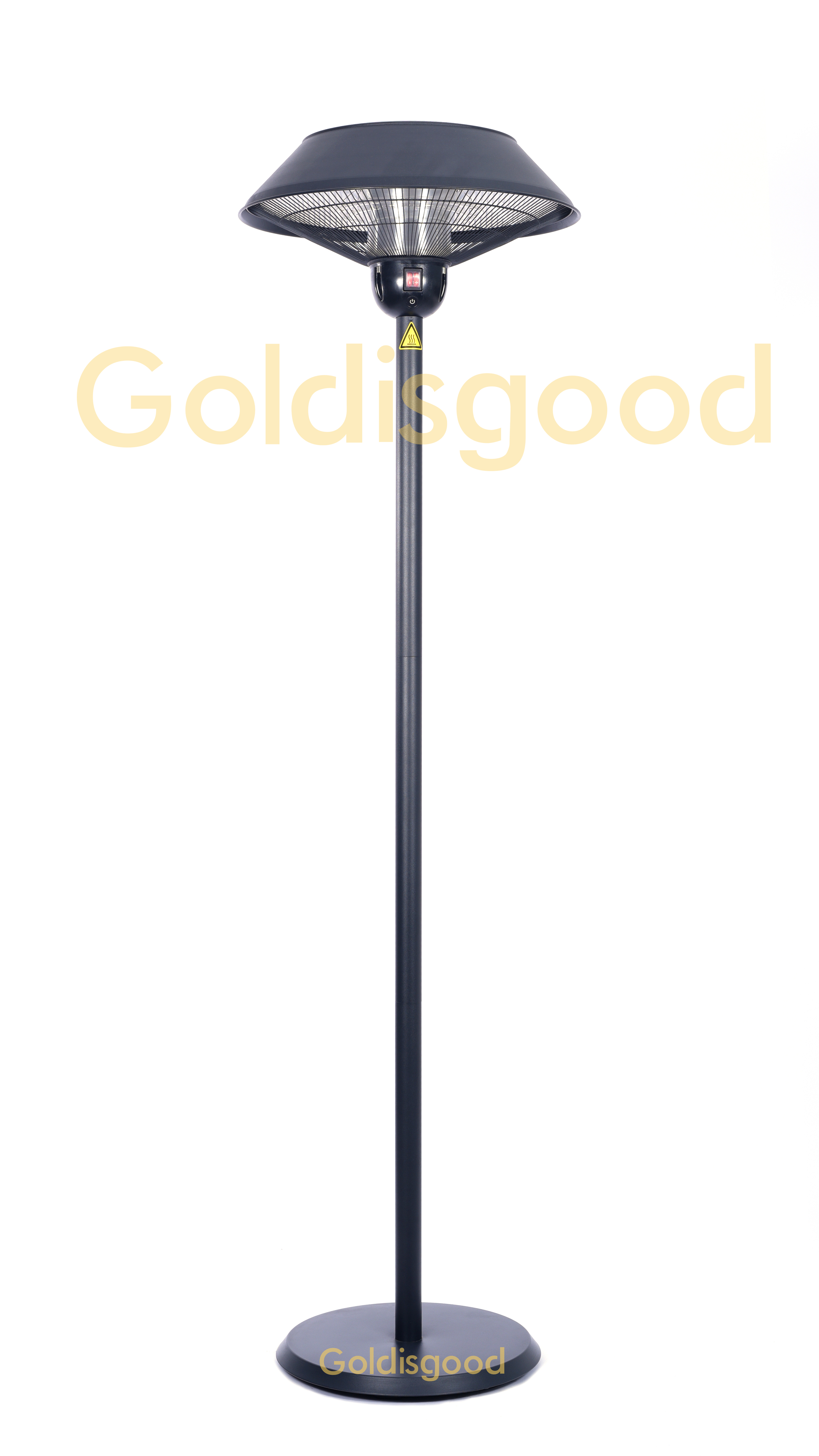
Keeping Bathrooms Warm Without Blinding Everyone
Most infrared heaters just blast heat and light into a room without much thought. But when you’re putting a heating lamp in a bathroom—especially if there’s a baby involved—you can’t just have a giant, blinding glare or weird UV spikes hitting sensitive eyes. It’s not a great feeling. We handle this by tweaking how the light actually works and keeping the intensity in check. Saving Your Eyes Standard short-wave lamps are harsh. They’re bright in a way that hurts. To fix that, we use special quartz coatings and a specific filament mix to filter out those aggressive frequencies. Think of it as a “soft” glow. We aren’t just dimming the bulb; we’re actually stripping away the specific wavelengths that make your eyes feel tired and strained. You get that cozy, radiating warmth on your skin, but you aren’t squinting the whole time you’re in the room. Dealing with the Steam Bathrooms are humid. Really humid. If the housing isn’t airtight, the lamp is toast. We use high-grade quartz glass because it can handle the jump from cold to hot without cracking. But the real secret is in the gaskets. Most designs fail at the seals, letting steam creep in and fry the electrical contacts. We use moisture-proof gaskets to keep the internals dry, so you don’t have to worry about a short circuit or the bulb burning out way too early. The Trade-Off Here’s the honest part: there is a slight catch. Because we filter the light to keep it safe for your eyes, you lose a tiny bit of that raw heating power you’d find in a giant industrial lamp. You might have to leave the unit on a few minutes longer to get the room exactly where you want it. But in a home bathroom? That’s a trade we’re happy to make. Safety wins over raw wattage every time. Just a tip: make sure you wire it to a dedicated GFCI circuit. It’s the best way to make sure your waterproof housing has the right electrical backup.