

Why IR Heating Beats Hot Air for MEMS Wafer Drying
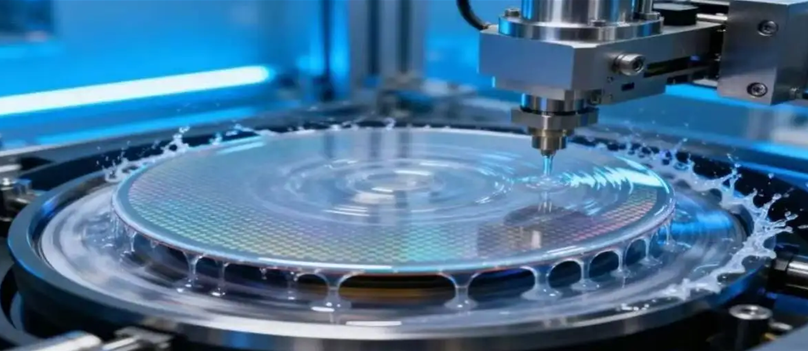
If you’re still using hot air circulation to dry your MEMS sensor wafers, you’re spending way too much time just… waiting. It’s a bottleneck. Here’s the deal: hot air relies on convection. You have to heat the air, and then the air has to heat the wafer. It’s a middleman process, and it’s slow. IR heating is different. It uses electromagnetic radiation to hit the wafer surface directly. No middleman. We’ve seen drying cycles shrink from several minutes down to just a few seconds. When you’re running a high-volume line, that’s a massive win. You get more wafers out the door every hour without having to build a bigger cleanroom. But you can’t just toss an IR lamp into an old convection oven and call it a day. To get that kind of speed, you need high power density. We usually go with short-wave IR lamps because they cut through the liquid film on the wafer quickly. The catch? That intensity can be aggressive. You’ll need the right shielding and some targeted reflectors. Otherwise, you risk warping your wafer carrier or accidentally frying your sensor arrays. There’s also the control side of things. IR lamps hit their target temperature almost instantly. If your PID controllers are sluggish, you’ll overshoot the temp and potentially wreck your MEMS structures. You need a control loop that can keep up with that kind of speed. We usually suggest pairing these heaters with precise quartz reflectors to keep the energy focused. Sure, setting up IR is a bit more involved than just installing a blower and a heating element. But when you see how much time you save on the floor, the hardware usually pays for itself in a few months.