
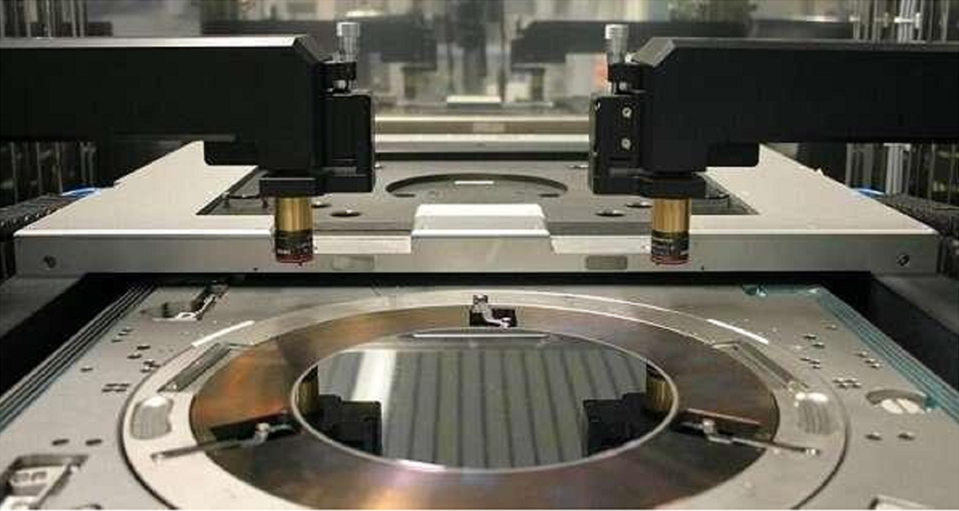
On the fab floor, you know the drill: a photoresist bake that drifts even half a degree can throw critical dimension control off and turn good wafers into scrap. You need heat that ramps fast, settles immediately, and stays nailed down—cycle after cycle.
What matters under the hood
We built our fast-ship wafer heater lamp around short-wave halogen elements in a quartz envelope. That choice is all about speed and keeping the thermal budget honest. Across the wafer, uniformity holds within ±0.1°C, and repeatability stays within ±0.2°C over thousands of bakes. The lamp body is rated for cleanroom Class 1–100. Materials were picked specifically to keep particle generation at zero and avoid contaminating the process. Output stability is spec’d to hold within 1% over 5,000+ hours, so you can run 24/7 without chasing unplanned downtime.
Why this matters in lithography
In lithography, soft bake drives solvent removal and sets film stress, while hard bake hardens the pattern for the etch transfer. Hit those temperatures precisely and the profiles don’t chase drift. The payoff shows up as consistent line-width control, fewer rework lots, and higher first-pass yield. Fast shipment matters, too. Replace a lamp in hours, not weeks, and you protect schedule and avoid line starvation. Energy use is kept in check by the short-wave spectrum and an efficient reflector design—lower operating cost without slowing throughput.
The fine points you’ll want to check
The lamp is engineered for standard wafer heater platforms, but footprint and mounting interfaces vary by OEM. Before installation, verify the mechanical envelope, electrical connector, and control signal compatibility. For peak performance, keep the lamp within its rated voltage window and maintain the optical path and cooling as specified. If you don’t, you can see temperature overshoot during rapid ramps.