
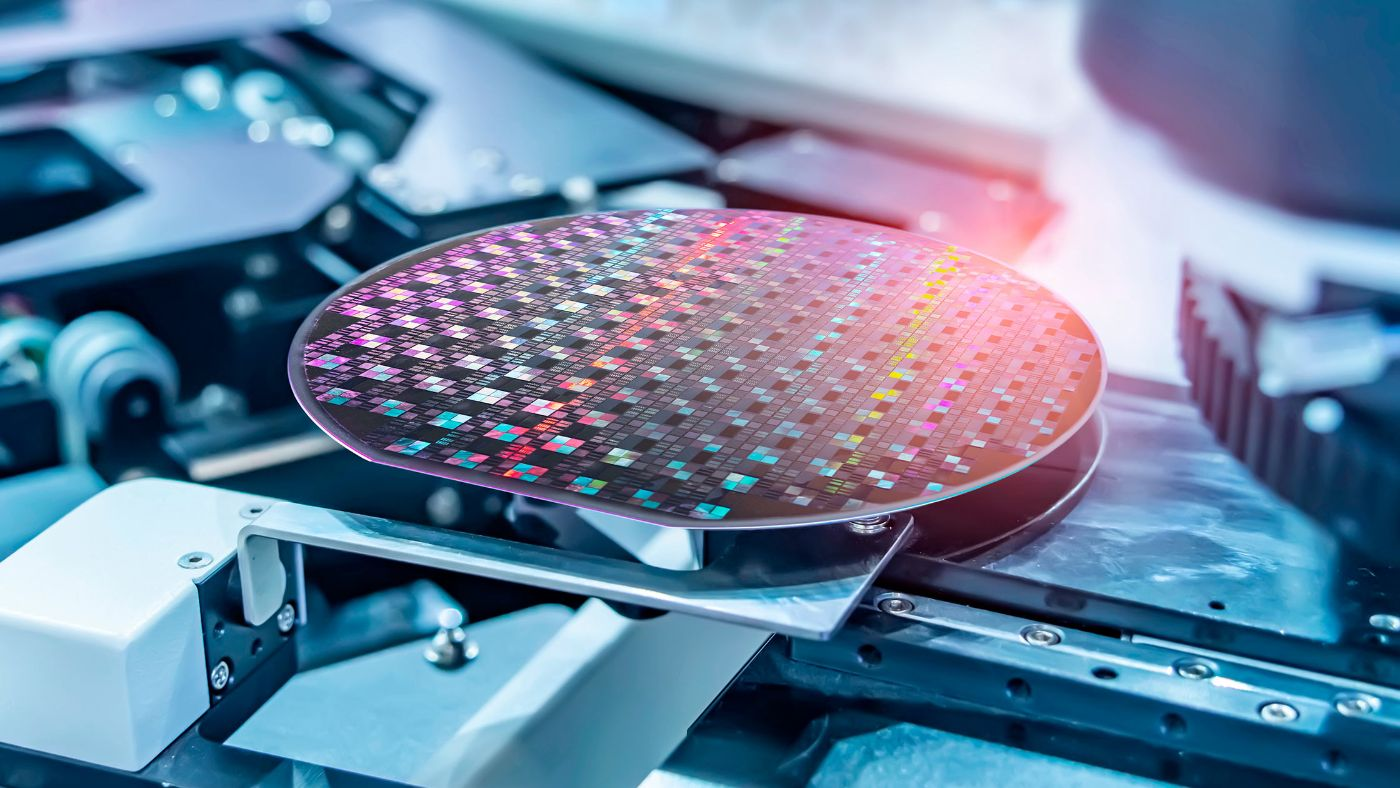
On the fab floor, you know the drill: a 1°C swing during photoresist soft bake or wafer drying is enough to drift critical dimensions and eat into yield. That’s why the infrared lamp socket on wafer tools is built to take the guesswork out of the thermal budget. What matters under the hood We spec short-wave infrared emitters paired with high-purity quartz sockets, so you get rapid, localized heating with sub-second response. Temperature uniformity across the wafer holds within ±0.1°C, and setpoint repeatability stays at ±0.5°C cycle-to-cycle. The design generates zero particles during operation and is cleanroom-compatible from Class 1 to Class 100. Power delivery is steady, with tight voltage tolerance and consistent irradiance, so the same thermal profile repeats tool-to-tool and shift-to-shift. Why this plays in lithography and beyond In lithography, soft bake sets solvent removal and photoresist adhesion; hard bake locks the pattern before etch. Our infrared socket stabilizes both, cutting line-width roughness and keeping edge bead issues from sneaking in. For wafer cleaning and drying, the fast thermal ramp shortens the process without overshoot, so you trim energy use and cycle time. The payoff: higher throughput, fewer rework lots, and results you can count on at every bake station. The field notes that save you headaches Installation comes down to exact alignment between the lamp, socket, and reflector to hit the uniformity spec. Before qualification, verify thermal coupling and cooling paths, and make sure the socket material plays nice with the solvent chemistry in your photoresist train. Plan on scheduled lamp replacement to maintain irradiance and keep the thermal profile in spec over long campaigns.