
Cutting Carbon in the Glovebox: A Better Way to Heat
Keeping a Glovebox at the right temperature in a semiconductor lab is usually a slog. For years, we’ve relied on those old resistive heaters that basically try to warm up the entire room just to heat one small sample. It’s slow, it’s expensive, and honestly, it’s a waste of energy. That’s why we’ve moved toward infrared (IR) heating. It’s a much cleaner approach. You stop wasting power, your warm-up times plummet, and your carbon footprint actually starts to shrink.
Stop Heating the Air
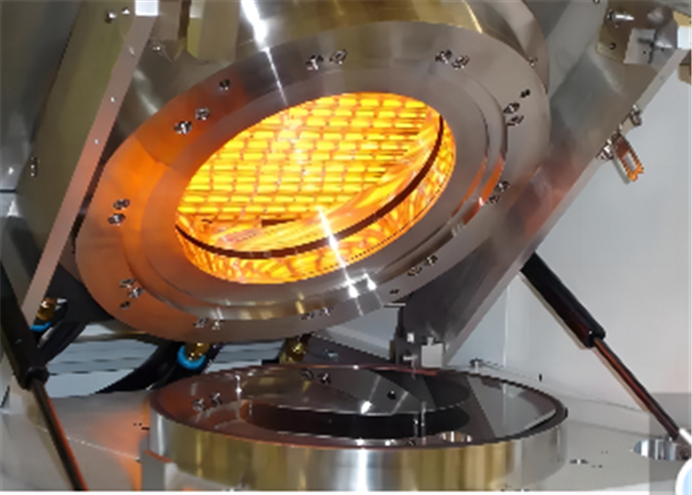
Here’s the thing about standard convection heaters: they’re inefficient. They heat the gas, which then heats the walls, which then (eventually) heats your sample. You’re fighting a losing battle against heat loss the whole time. IR is different. It uses shortwave radiation to hit your substrate or chemical vesseldirectly. It’s like the difference between trying to warm your hands by heating the whole house versus just standing in the sun. You get high power density in a tiny footprint. The result? Your ramp-up times are incredibly fast.
The Nitty-Gritty of the Build
We don’t cut corners on the hardware. We use high-purity quartz tubes and tungsten filaments to keep things stable. Since we’re dealing with semiconductors, we often add gold-coated reflectors. This pushes all that IR energy in one direction—straight at the target—so you don’t end up cooking the glovebox chassis. And because nobody likes a nightmare installation, we use standard industrial connectors. They’re designed to be drop-in replacements. Just a heads-up, though: if you’re running a high-wattage array, make sure your power supply can handle the initial surge. Cheap controllers will just fry under that kind of load.
Real Talk: What Happens on the Shop Floor
Now, IR isn’t magic. If you aren’t careful, you’ll get hot spots. If your target isn’t centered, you’re going to have uneven heating, which is a disaster for precision work. To get this right, you need a solid PID controller and a thermocouple sitting exactly where the workpiece is. Plus, keep an eye on your cooling fans. If they aren’t balanced, the ambient temperature inside the box will start to creep up, and that can mess with your chemical stability. We usually suggest a staggered layout for the elements so the heat doesn’t overlap and create “dead zones” or spikes.