

Stop Wasting Watts: Why Gold-Coated Reflectors Actually Matter
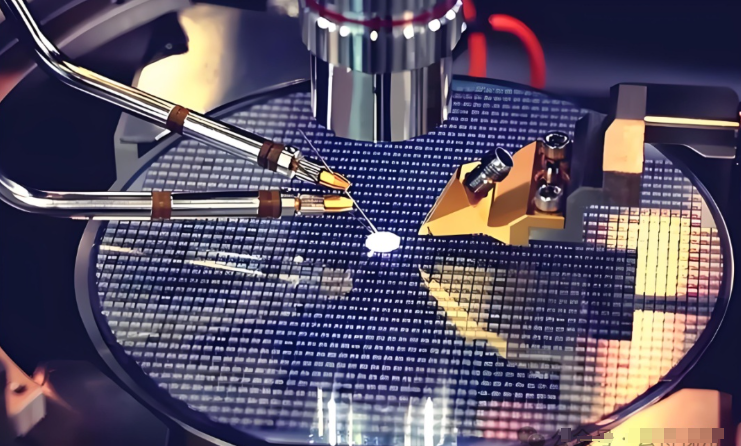
If you’re running semiconductor wafer processing, every single watt counts. There’s nothing more frustrating than watching expensive energy just bleed into your machine chassis because your reflectors can’t keep up. Most shops stick with standard aluminum. It’s the default. But here’s the problem: aluminum just doesn’t cut it when you’re dealing with long-wave infrared. It lets too much energy slip through. That’s where gold comes in. By swapping out those basic surfaces for high-purity gold coatings, we basically force the energy to go where it belongs—straight onto the wafer.
The Real Difference Between Gold and Aluminum
Think of it this way: aluminum is fine, but gold is a beast in the IR band. When we apply a precision gold layer, the reflector stops soaking up the heat itself. Instead of the metal housing getting hot, that energy is bounced right back toward the target. The result? You get a much tighter focus and heat that actually spreads evenly across the substrate. No more guessing.
Getting the Precision Right
We’ve all dealt with “cold spots.” They’re a nightmare. When you’re setting up your heating array, the shape of the reflector is everything. We use gold-coated parabolic or elliptical profiles to keep those IR rays lined up. It stops that annoying temperature drop-off at the edges. If you’ve ever struggled with uneven curing or baking, this is usually the culprit.
The Catch (and How to Handle It)
Now, gold is chemically stable, but it isn’t magic. It handles oxidation way better than aluminum does, but it hates dirt. A little bit of dust or a few fingerprints can absolutely tank your reflectivity. If the surface is dirty, your energy flux disappears. You’ve got to stay on top of a cleaning schedule to keep that “punch.” One more thing to keep in mind: because you’re hitting the wafer with way more concentrated energy, your cooling plates need to be up to the task. Make sure they’re spec’d correctly so you don’t accidentally cook the edges of your wafers.