

Getting Thermal Integration Right for Bio-Sensors
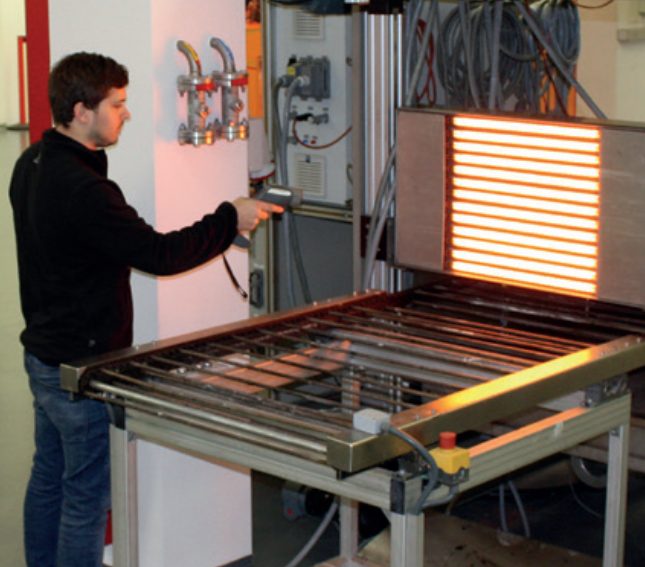
Making bio-sensors is a bit of a tightrope walk. You need the chemical bonding and substrate curing to be spot-on every single time, or the whole batch is useless. That’s why we use short-wave IR lamps. Instead of heating up the air around the part—which is slow and messy—these lamps shoot energy directly into the material. It’s the only way to actually hit those crazy-tight tolerances when you’re running a digital production line. The Power Side of Things If you’re running a Smart Fab, your power density is basically your speed limit. High-wattage IR tubes are great because they get you to curing temperatures in a matter of seconds. But here’s the thing: you have to make sure your voltage matches your plant’s grid. If you don’t, you’ll get voltage drops, and suddenly you’ve got uneven heating across your wafer. Also, keep in mind that cramming high wattage into a small space creates a lot of waste heat. If your cooling manifolds aren’t sized right, your temperature will start to drift, and you’re right back to square one. Smart Controls (The Part That Actually Matters) The lamp is just a tool. The real magic is in the data. We hook these systems up to PID controllers and closed-loop sensors so you can track exactly how much energy is hitting every single batch. It saves you from a nightmare scenario. If a filament starts to degrade or a lamp begins to burn out, the system catches the dip in wattage immediately. You get a flag, you fix it, and you don’t end up scrapping a thousand sensors because they were under-cured. The Hardware We use quartz envelopes. They let the IR through and don’t freak out when they hit chemicals. For the wiring, we keep it simple with standardized connectors. Why? Because nobody wants their entire line dead for four hours just because a technician is fighting with some weird, proprietary plug. We make them drop-in replacements so you can get back to work. Short-wave IR is the go-to for a reason. It lets you heat the sensor layer without melting the plastic housing it sits in. You do have to manage a heavy electrical load, but for that kind of precision, it’s a trade-off worth making.