


Keeping Things Safe: Infrared Heaters in Chemical Cleaning
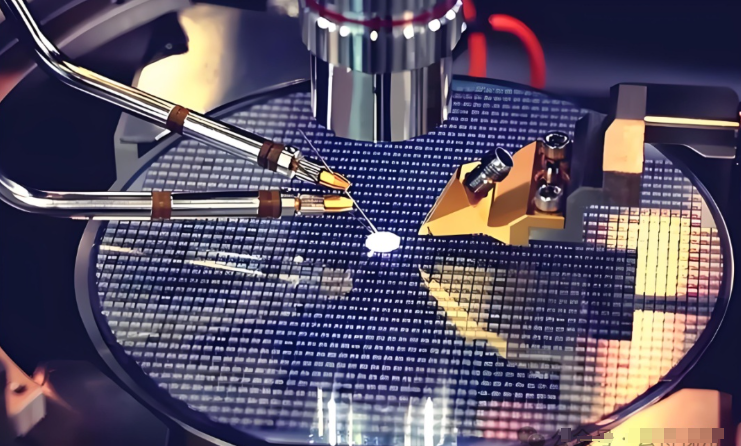
When you’re working with semiconductor cleaning, you’re basically dancing with volatile solvents and flammable vapors. One wrong spark or a tiny crack in a heating element, and you’ve got a massive problem on your hands. It’s stressful. That’s why we don’t just build heaters; we build them to survive. The Protective Shell We don’t leave the quartz tube naked. That would be asking for trouble. Instead, we wrap everything in a tight, hermetic seal to keep those flammable gases far away from the hot filaments and electrical terminals. Depending on how nasty your cleaning agents are, we use a sleeve made of high-purity quartz or a tough ceramic composite. It acts like a shield. If a chemical leak happens—and let’s be honest, they happen—the liquid hits the sleeve, not the live electricity. It’s a simple fix that prevents a disaster. Staying Cool Under Pressure To keep your temperatures from swinging wildly, we tuck thermocouples right into the heating assembly. They track the heat flux in real-time. We use mineral insulated (MI) cables for these sensors because standard wires just melt or corrode when they hit those fumes. This means you can actually trust your PID loops. You get a steady, reliable temperature across your wafer without worrying about the whole thing spiraling out of control. The Give and Take Now, here’s the honest part: adding that protective layer creates a bit of a thermal gap. You lose a tiny bit of that direct radiant heat compared to a bare lamp. To make up for it, we bump up the wattage a notch. You’ll still hit your target process temperature, but just a heads-up—make sure your exhaust system can handle a little extra ambient heat around the housing. We build these units to take a beating. Just pair them with a properly grounded, explosion-proof controller, and you can breathe easy even in high-vapor zones.