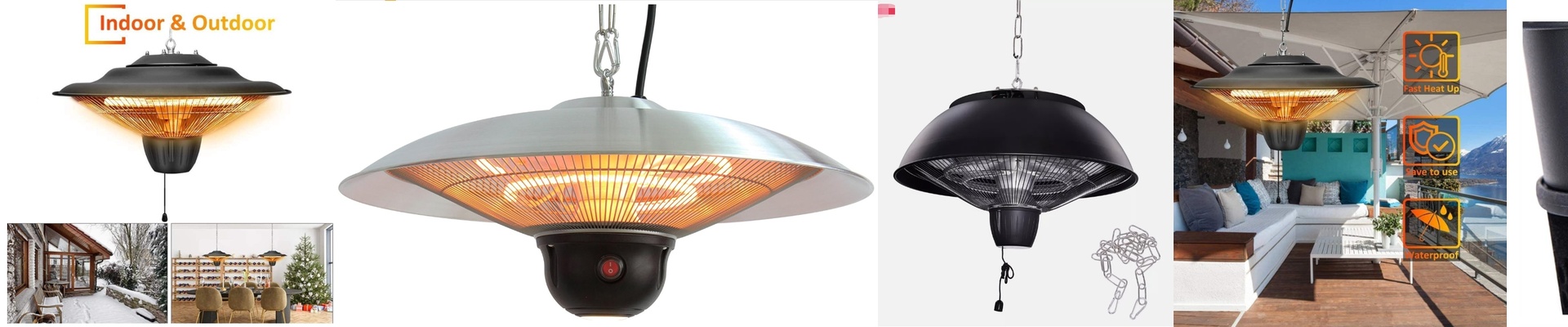
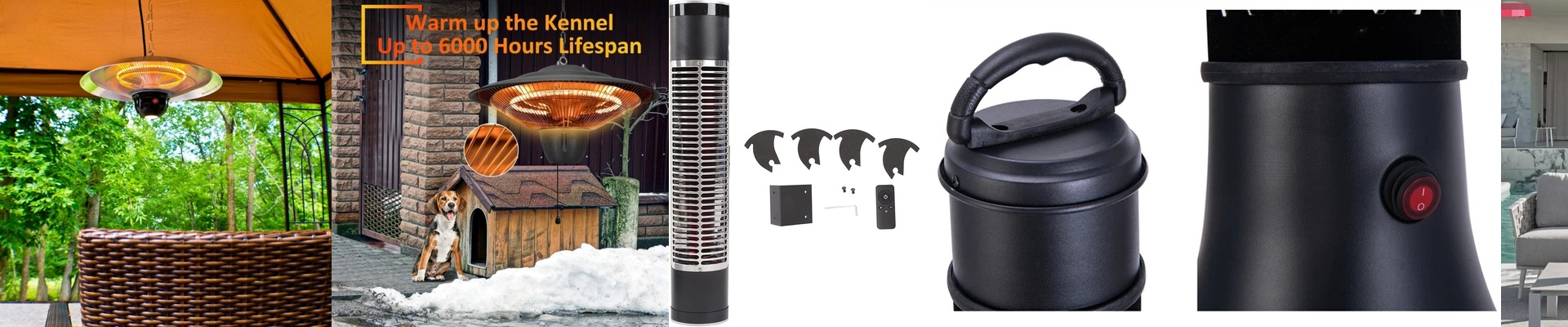
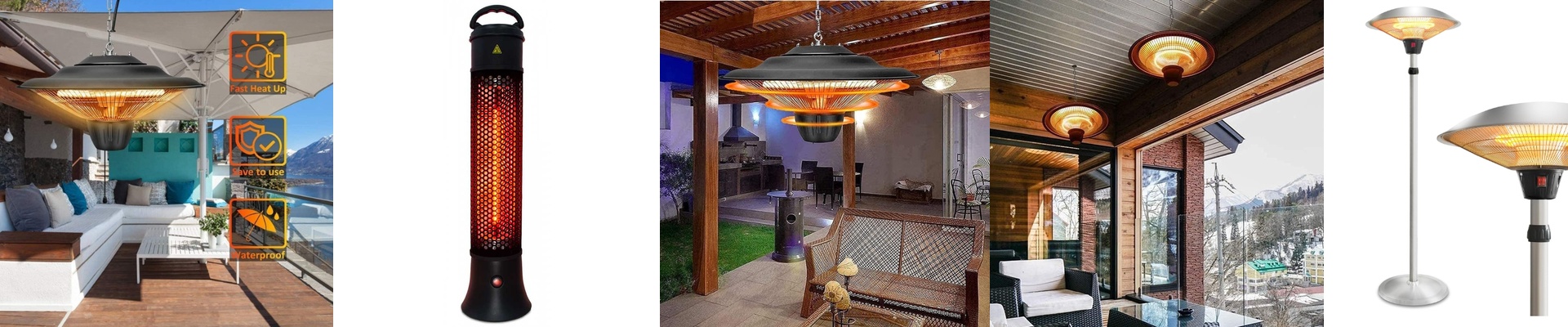

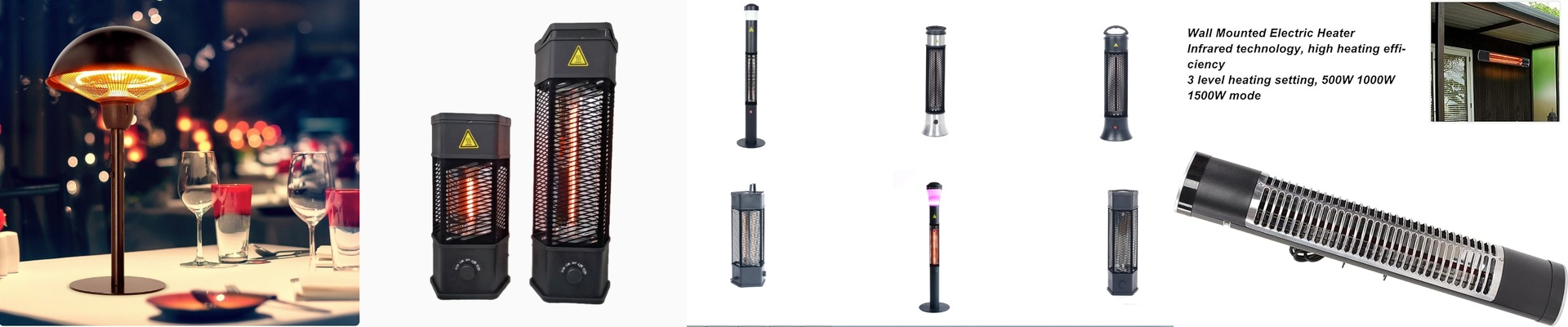
Stop Replacing Your Ceiling Heaters Every Six Months
If you’ve ever run a factory or a warehouse, you know the drill. You install those ceiling infrared heaters, everything feels great for a while, and then—pop. One of them goes dark. Usually, it’s because industrial spaces are brutal. You’ve got dust flying everywhere, humidity creeping in, and the occasional random splash of liquid. It’s a nightmare for electronics. When we built our current radiant line, we wanted to stop that cycle of constant replacements.
The “Thermal Shock” Problem
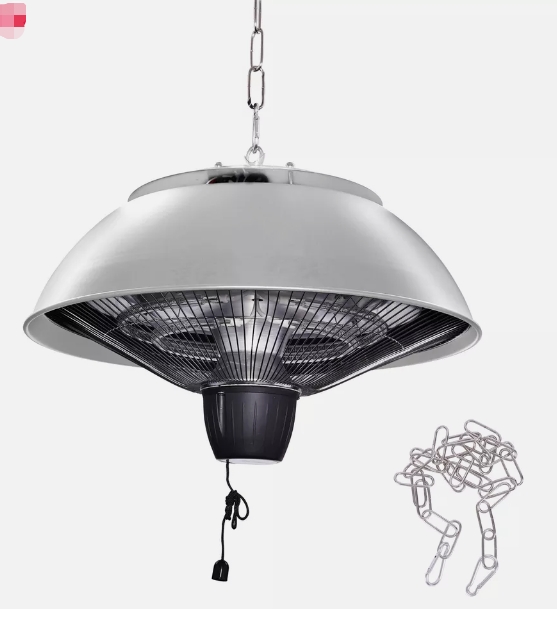
Here is the thing about quartz lamps: they hate water. If a stray droplet hits a red-hot quartz tube, the glass doesn’t just crack—it shatters. It’s called thermal shock, and it’s the quickest way to kill a heater. To fix this, we wrapped the emitter in a splash-proof housing. It acts like a shield, keeping moisture away from the glass. We also tweaked the airflow and sealed the joints so condensation doesn’t just sit there on the filament. It keeps the tubes intact, even when they’re running at full blast.
Keeping the Guts Dry
Most of the time, the heater doesn’t fail because of the bulb; it fails at the connection points. That’s where the wiring meets the lamp. In a dusty, damp shop, that moisture can bridge the terminals and cause a short circuit. We designed the housing to keep that conductive gunk out. It means you aren’t climbing a ladder every few months to swap out a dead unit.
A Small Trade-off for a Big Win
Now, full disclosure: adding shields and seals means the heat has to work its way through a bit more “stuff” to reach you. You might notice a tiny dip in heat density compared to a wide-open lamp. But honestly? It’s worth it. I’d much rather have a heater that’s 95% as hot and lasts for years than one that’s 100% hot and dies in six months.
One Quick Tip for Install
Just a heads-up: the splash-proofing only works if the installation is done right. You have to use the gaskets we provided. If those seals are crooked or missing, moisture will find a way in—and it always does. Also, make sure your mounting bracket is tight. If the unit vibrates too much, it can shake the seals loose over time. Keep it steady, and it’ll keep you warm.