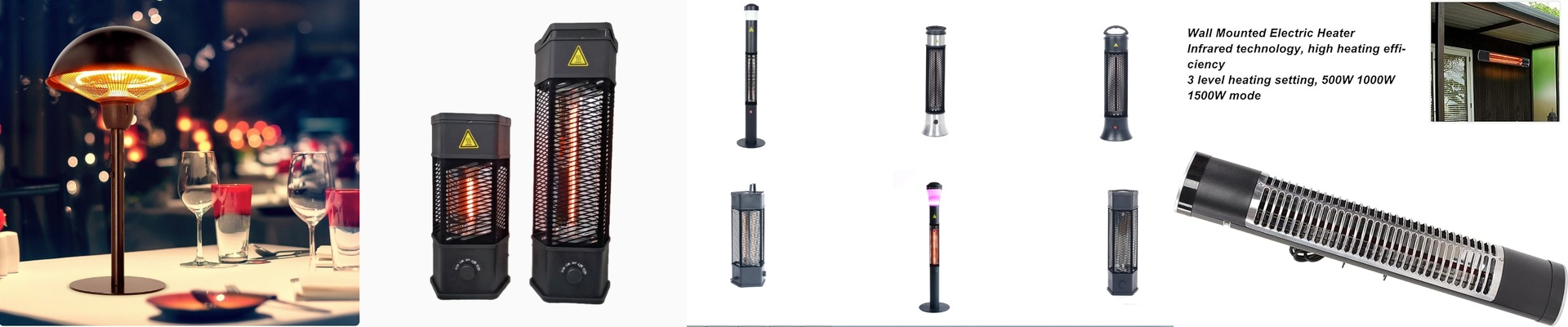

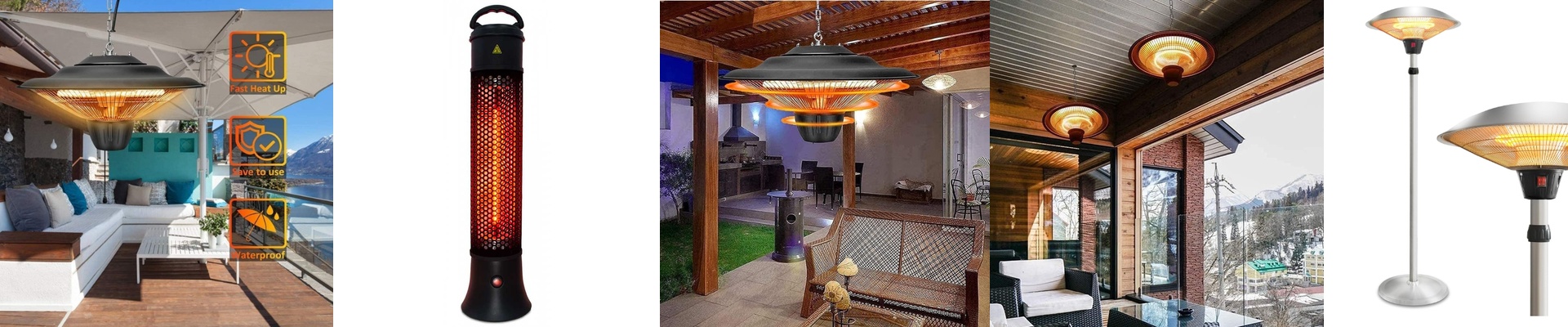
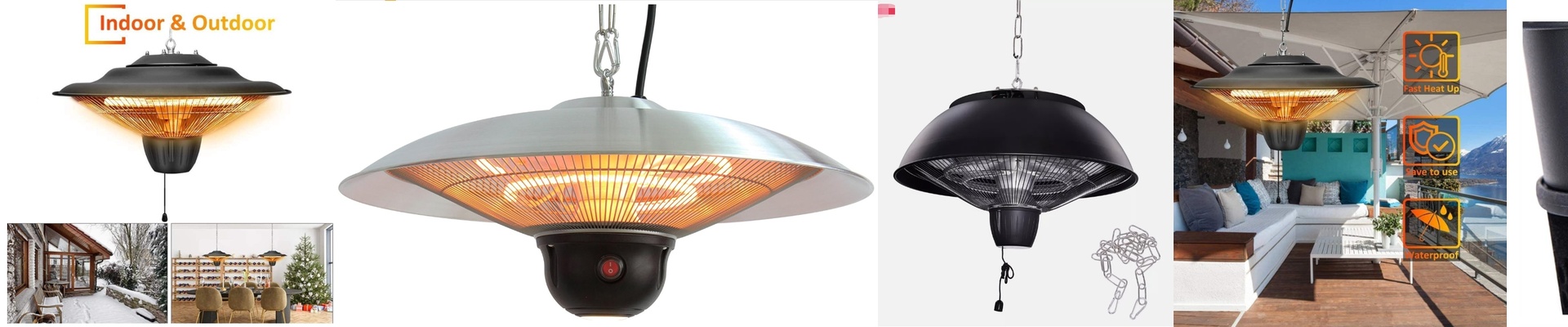
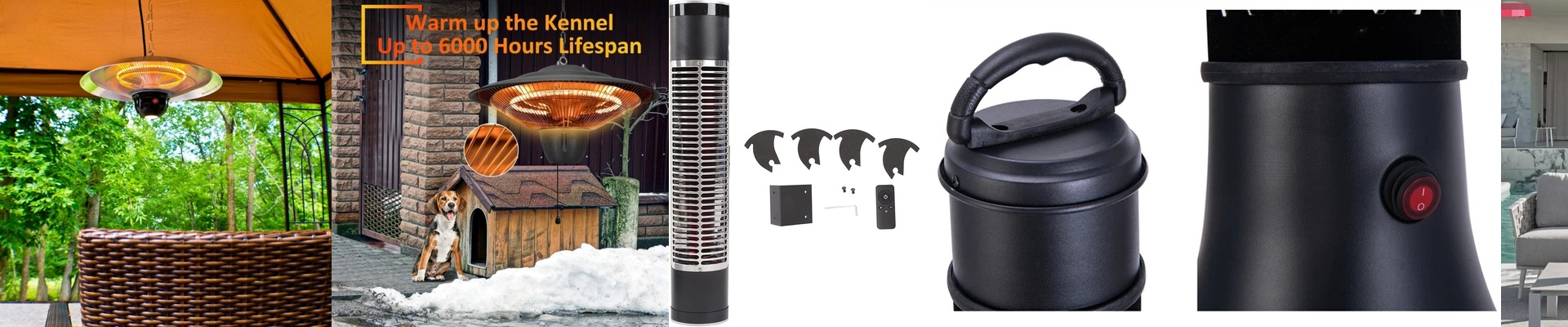
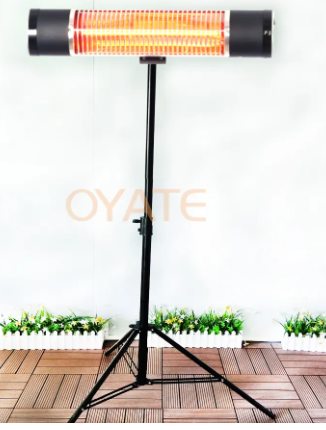
Why Your Gazebo Heater Actually Dies (and How We Fixed It)
If you’ve ever used a 1500W ceiling heater for your gazebo, you know the feeling. It’s that instant, cozy warmth that lets you actually enjoy your outdoor space when the temperature drops. But there’s a hidden problem. Most of these heaters use short-wave infrared tech to push heat down. The heating element itself is usually fine, but the real trouble starts where the lead wires meet the quartz tube. Here’s the thing: heat doesn’t just go down. It creeps backward along the wire. If the seal at that connection point is weak, the insulation starts to cook.
The “Cheap Heater” Trap
In a 1500W setup, that junction between the tungsten filament and the wiring gets incredibly hot. A lot of budget heaters try to cut corners here. They use basic glues or loose sleeves that just don’t hold up. Eventually, those materials degrade and crack. Once that happens? You’ve got a short circuit. It’s a common disaster in units that aren’t built to a professional standard.
How We Actually Do It
We don’t just wrap the wire and hope for the best. We use glass-to-metal seals and high-temp potting compounds to basically fuse the connection. It creates an airtight barrier. By keeping oxygen away from the connection, we stop the oxidation that makes wires brittle and prone to snapping. And since these heaters live in gazebos, they’re fighting a constant battle with humidity and weird temperature swings. A solid seal is the only reason your heater won’t trip the breaker three months into the season.
A Few Things to Keep in Mind
There is a trade-off, though. Because the seal is so sturdy, the lead wires are more rigid.**Don’t bend them sharply during installation.**If you kink that sealed section, you could crack the glass, and then you’re right back where you started. We stuck with 1500W because it’s the sweet spot. It gives you plenty of heat without overloading a standard home circuit. If we pushed the wattage higher in this same size, we’d have to use thicker wires just to keep the leads from turning into heat sinks.