
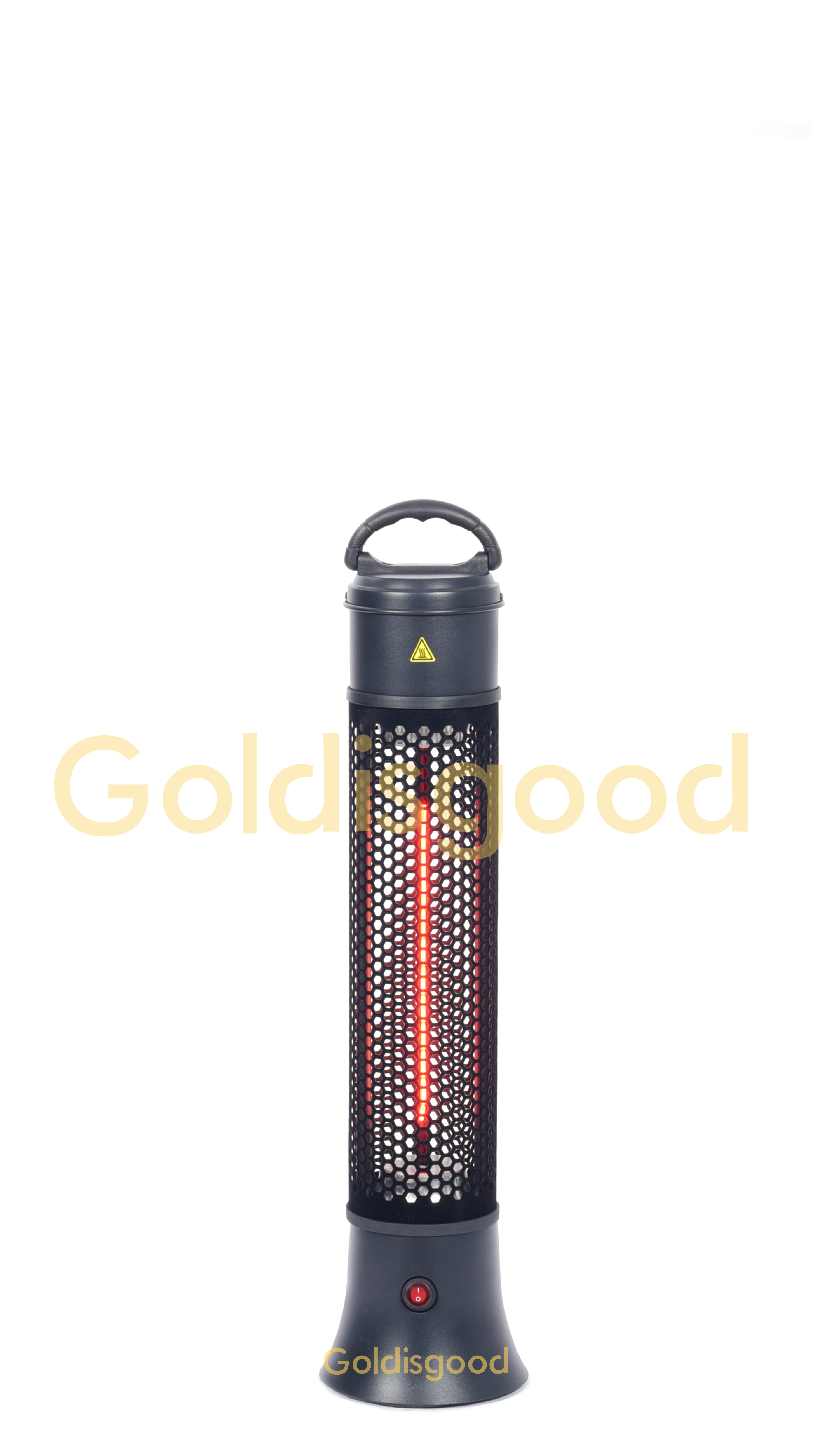
Keeping Ceiling Heaters Warm, Not Blinding
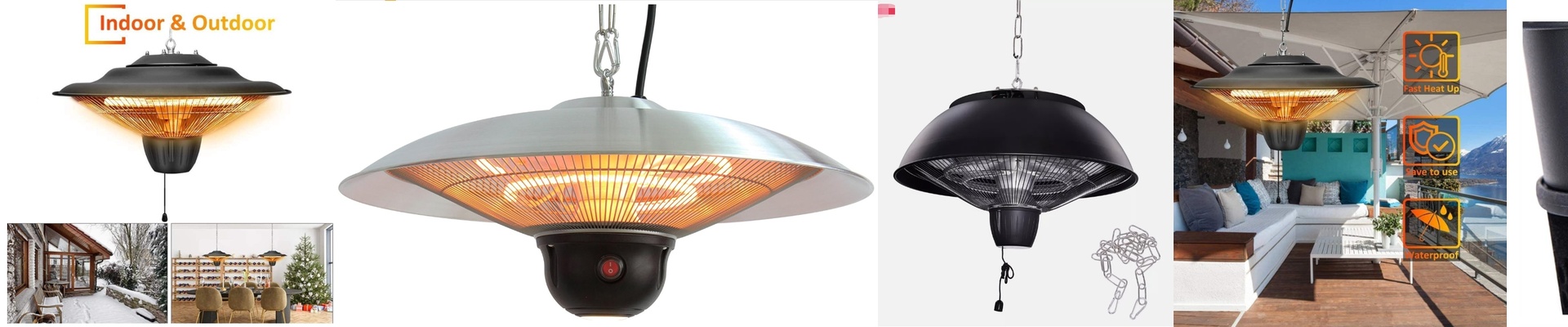
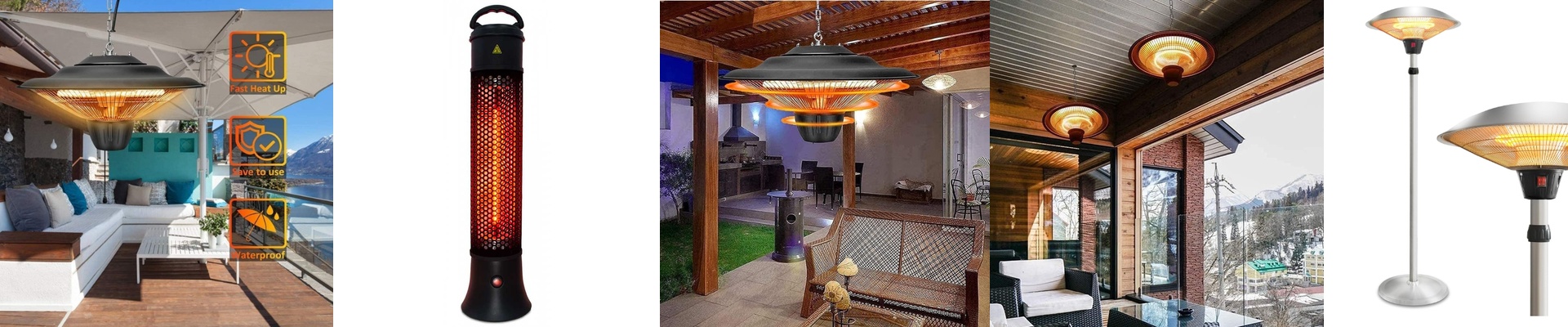
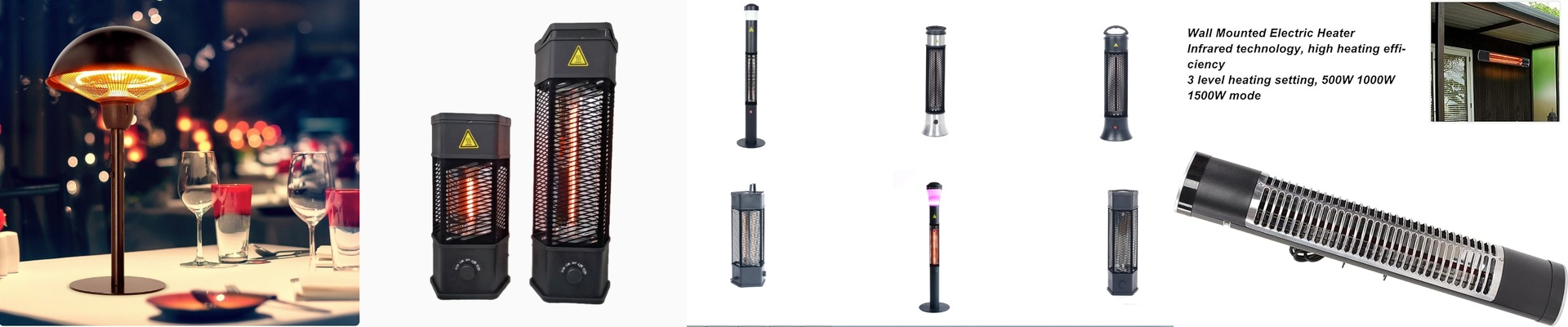
When you put an infrared heater in a bathroom, you usually go with short-wave quartz lamps. They’re great because they hit you with heat the second you flip the switch. But there’s a catch: the glare. High-intensity lamps can be blinding. It’s not just annoying—it can actually strain your eyes. And for babies with developing retinas? That’s a real safety concern we can’t ignore. Dealing with the light To fix this, we don’t just paint the bulbs. We use specialized coatings on the quartz. Think of them as smart filters. We design these to block out that harsh, high-energy blue light while letting the actual heat—the long-wave infrared—slide right through. This shifts the glow to a softer, warmer tone. You still get all the warmth, but you aren’t staring into a spotlight that could damage your vision. The guts of the machine Under the hood, we’re using high-wattage halogen filaments. They get incredibly hot, which is exactly what you want if you need the heat to actually reach the floor. Because bathrooms are humid, we tuck everything into moisture-resistant housings. No one wants steam causing a short circuit. We also add tempered glass covers to spread the light out. It stops those annoying “hot spots” from beaming directly into your eyes. The balancing act Here’s the thing: physics always asks for something in return. Every layer of coating we add to the tube soaks up a tiny bit of the heat. You lose a sliver of efficiency to make the light safe. If we go too heavy on the filter, the heater takes longer to warm up. We spend a lot of time tweaking the thickness of those coatings. We want the room to feel cozy in seconds, but we want the light levels to be safe for a newborn. Just a heads-up—since these units push a lot of concentrated heat upward, make sure your bathroom ventilation is actually doing its job.