

Making High-Ceiling Infrared Heaters Actually Smart
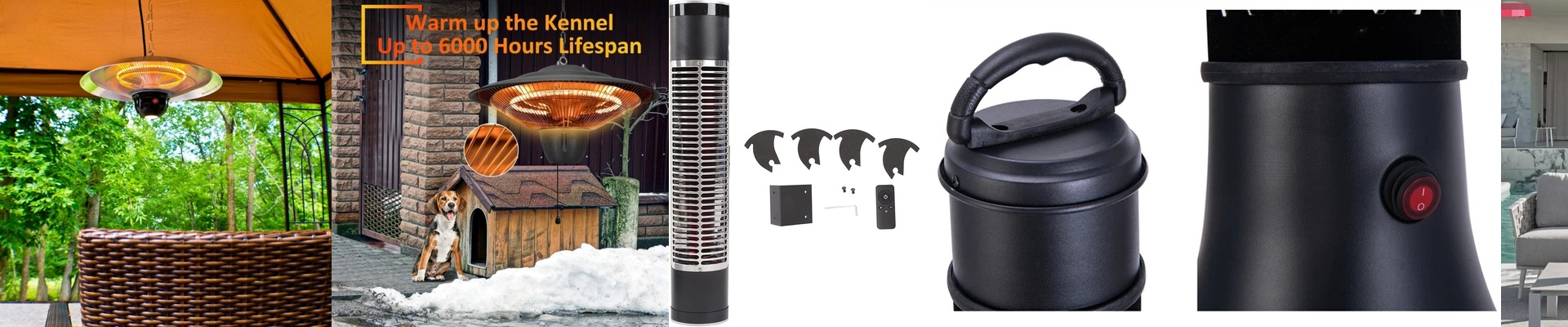
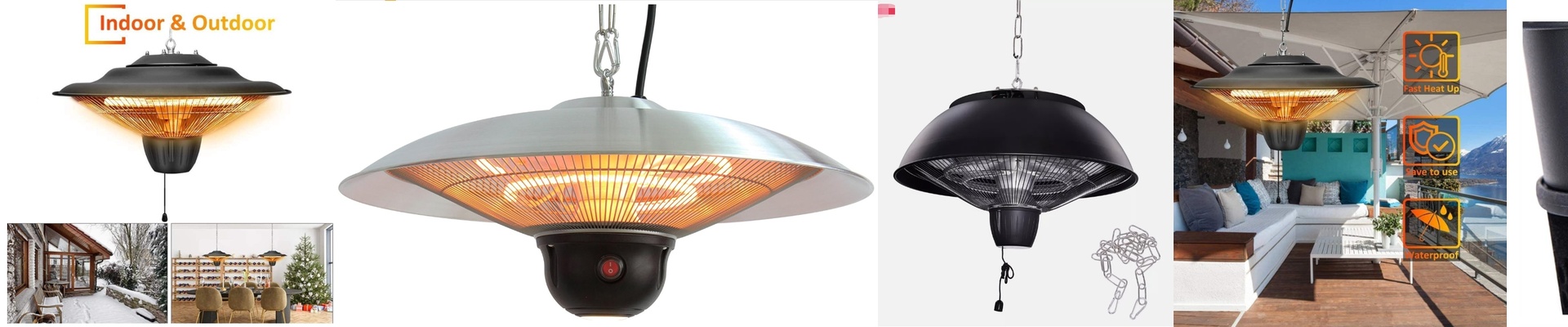
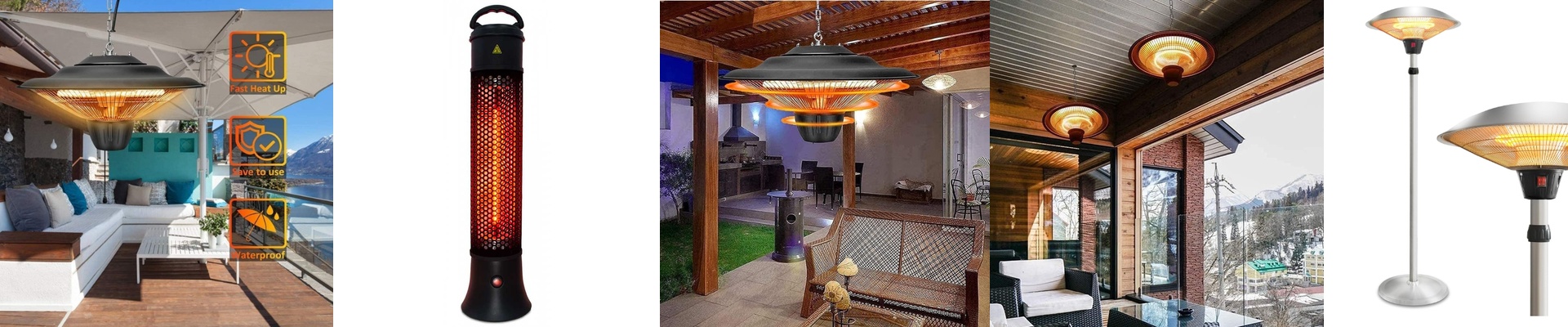
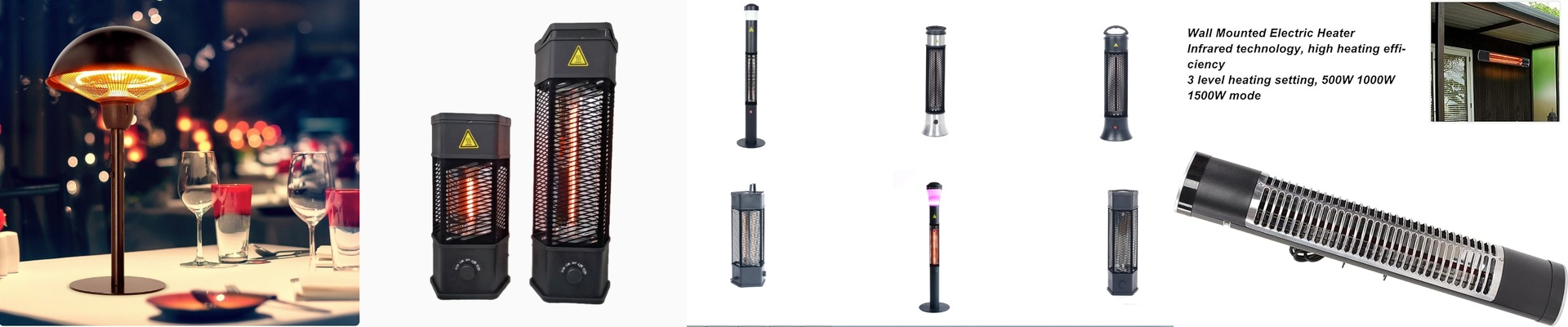
If you’ve ever tried to heat a room with massive ceilings, you know the struggle. You crank up the heat, but all that warmth just floats up to the ceiling and stays there. Meanwhile, you’re still shivering on the floor. That’s where infrared heaters come in. Instead of trying to warm up all that empty air, they beam heat directly onto you and your furniture. It’s like stepping into a patch of sunlight on a cold day. But flipping a manual switch every time you get a chill is a pain. That’s why we hook them up to a smart home system. The magic of instant warmth Traditional heaters are slow. They have to warm the air, which then warms the room. Infrared is different. It’s almost instant. By adding a smart relay or a Zigbee/Matter controller, you can trigger the heat from your phone or just by talking to your house. The second the power hits those filaments, you feel it. No waiting around for the room to “catch up.” How to actually set it up The trick is where you put your sensors. If you put the temperature sensor up high, it’ll think the room is toast while your toes are freezing. Put the sensor right where you actually sit or stand. When the sensor notices a dip in temp, it tells the hub to kick the heaters on. Simple. Now, a quick heads-up on the gear: these industrial lamps pull a lot of power. You can’t just plug them into a cheap smart plug or you’ll likely fry it. You’ll want a high-power contactor or a solid-state relay (SSR) to handle the heavy lifting. It keeps the smart side of things safe from the heavy electrical load. A few things to watch out for It’s not all plug-and-play. Adding smarts means your Wi-Fi or network needs to be solid, otherwise, you’ll be sitting in the cold waiting for a signal to travel. Also, be careful with your wiring. These units are power-hungry. If you’re running a few of them on one circuit, make sure your breakers and wires can handle the heat—literally. You don’t want your walls overheating. One last tip: don’t let your system flicker the heaters on and off every few seconds. That’ll kill the heating elements pretty quickly. Set up a little bit of a “buffer” in your settings so the heater stays on for a while before shutting off. Your equipment will thank you.