
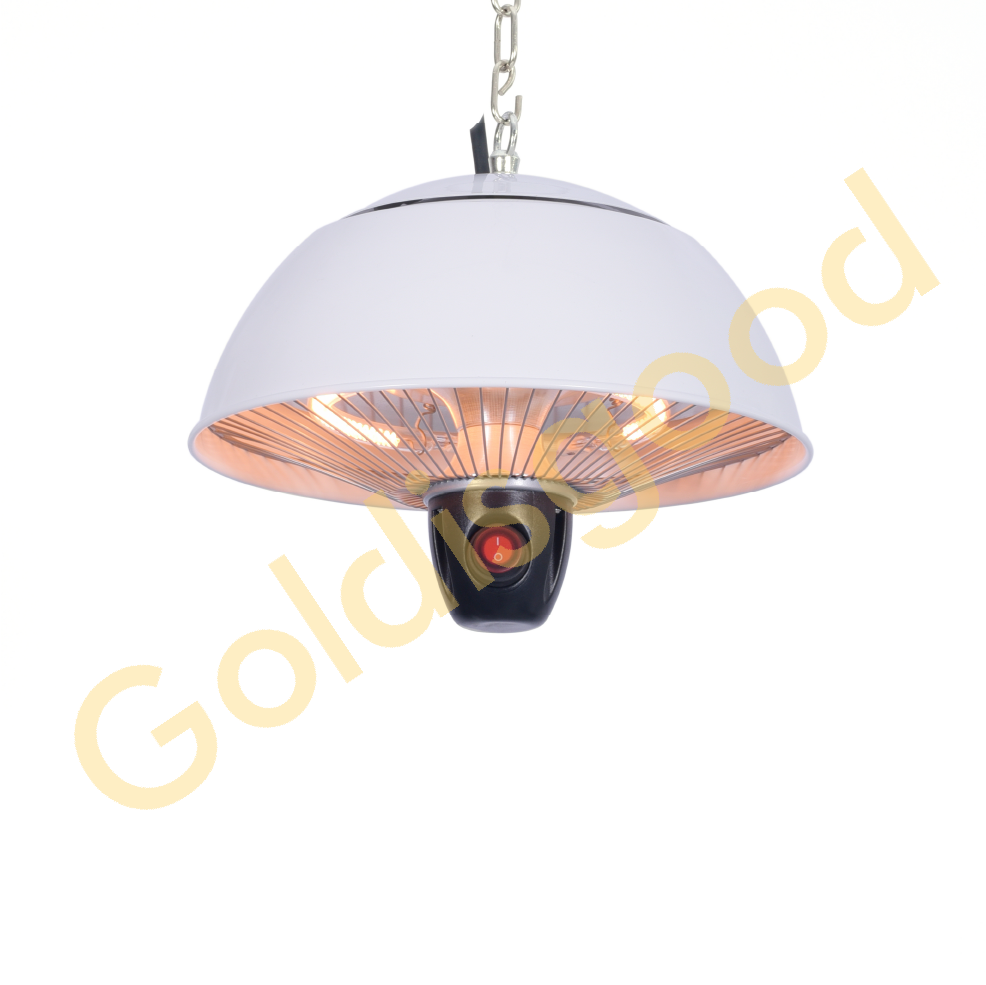
Stop the bathroom Mold Before It Starts
Most people see those bathroom heating lamps and just think, “Oh, nice and warm.” But if you look under the hood, they’re doing something way more interesting. We use shortwave infrared (SWIR) to go after the damp spots where mold loves to hang out and move in.
How the heat actually works
Think about a regular space heater. It warms up the air, and you just kind of float in a bubble of heat. These infrared lamps are different. They send energy straight to the surfaces—your mirror, the walls, the floor. When those surfaces heat up, the condensation doesn’t stand a chance. It evaporates almost instantly. Instead of just making the room feel cozy, you’re basically stripping the moisture off your walls before it has a chance to sink into your grout or drywall. It’s fast. Really fast.
The nitty-gritty stuff
We build these lamps to hit high heat density immediately. Bathrooms are “high-loss” environments (meaning the heat escapes quickly), so you need that instant punch of warmth. We use quartz envelopes because they can handle the extreme heat without cracking. One quick tip, though: check your wiring. These lamps pull a lot of power the second they kick on. If your circuit is a bit weak, you’re going to be tripping your breakers every time you want a warm bathroom.
Finding the sweet spot
Shortwave IR is easily the quickest way to clear a fogged-up mirror or dry out a shower wall. But there is a catch. The heat is intense. If the lamp is sitting too close to cheap plastic fixtures or low-grade sealants, you might actually warp your hardware. That’s why getting the mounting distance just right is so important. You want it close enough to kill the humidity, but not so close that you’re melting your bathroom. Do it right, and you’ve basically turned a simple light fixture into a powerful tool for keeping your home mold-free.