


Why PTFE Wiring is Non-Negotiable for IR Systems
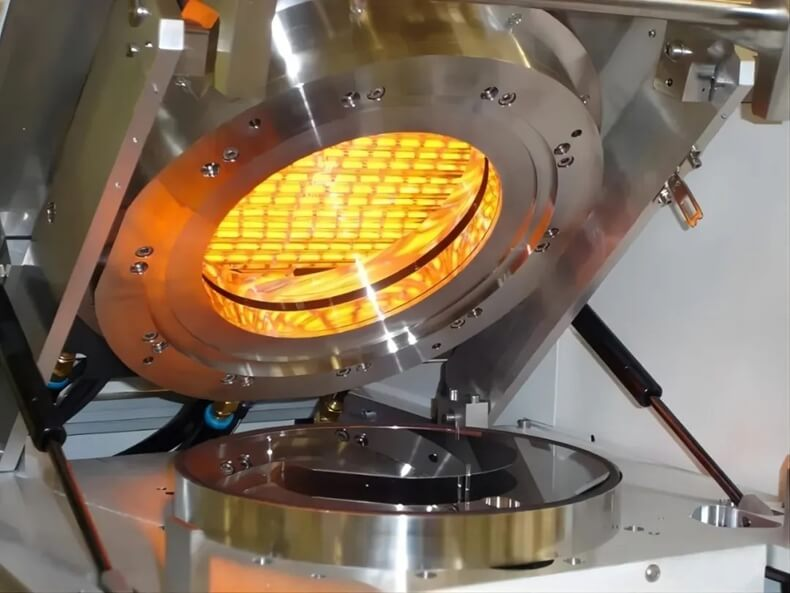
If you’re trying to build a “smart Fab,” you probably spend most of your time thinking about software. But here’s the thing: all that fancy code doesn’t mean a thing if your hardware melts. When you’re dealing with semiconductor heating, standard PVC wiring is basically useless. It’ll melt long before your infrared lamps even hit their stride. That’s why we stick with PTFE (Teflon) coated wiring. Dealing with the heat We use PTFE because it just doesn’t quit. It handles constant, brutal heat without cracking or releasing weird gases. In a cleanroom, that’s a huge deal. One tiny bit of chemical breakdown from a melting wire can ruin a wafer, and nobody wants to explain that to the boss. Plus, it’s great at stopping short circuits in those cramped heating chambers. Even after the system has heated up and cooled down a thousand times, the wire stays flexible. It doesn’t get brittle. Cleaning up the noise Digital production is all about real-time data. But when you run sensors right next to high-wattage IR lamps, you get electrical noise. It’s a mess. To fix this, we use shielded PTFE cables. It keeps the signal from your thermocouples clean so your PLC actually knows what’s happening. Without that shielding, you get “ghost” readings. And ghost readings lead to scrapped wafers. The catch Now, PTFE isn’t perfect. It’s the best for heat, but it’s stiffer than silicone. If your design has tight corners or parts that move, you have to be careful with the bend radius. If you force a thick Teflon wire into a sharp turn, you’re likely to snap the solder joints at the lamp terminals. It’s a fragile point, so give the wire some room to breathe. Getting it right in the Fab If you’re planning your layout, make sure your wiring can actually handle your power density. High-wattage shortwave IR lamps pull a lot of current. If your wire gauge is too thin, you’ll see voltage drops. Get the gauge right, use PTFE, and your heat will stay consistent across the whole substrate. Simple as that.