


Getting Your Smart Fab to Actually Be “Smart” with Carbon Fiber IR
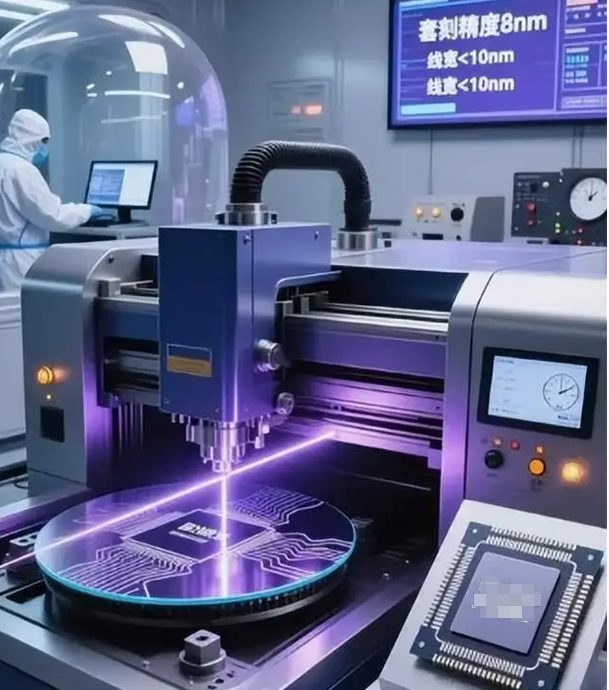
When you’re putting together a Smart Fab, it’s easy to get caught up in the Industry 4.0 hype. But here’s the reality: you aren’t just buying heaters. You’re installing data points. That’s why we lean on carbon fiber infrared (IR) lamps. They turn electricity into heat almost instantly. No waiting around. No lag. The magic of fast heat Carbon fiber filaments are just faster than those old-school metallic coils. We build these systems to talk directly to your PLC loops. Want to ramp the temperature up? Or drop it fast? You can do it in seconds. This speed is what actually lets you map out heat distribution across a wafer in real-time. If a sensor picks up a cold spot, the IR array fixes it on the fly. That’s how you move from “guessing” to actual digitized production. The trade-offs (because nothing is perfect) We use carbon fiber because it can handle a ton of current without being as fragile as tungsten. But there’s a catch. These lamps have a specific voltage window they like to stay in. I’ve seen people try to push the wattage way too high just to shave a couple of seconds off a cycle. Don’t do that. You’ll just kill the filament. It’s a balancing act. You have to weigh your heat flux against how long you want the lamp to actually last. Fitting it all in The best part? These systems don’t take up much room. You can tuck them into tight chassis without needing those massive, noisy convection fans. Since they emit short-to-medium wave radiation, the heat hits your target directly. It doesn’t waste time heating up all the air in the room. One heads-up on the wiring: you’ll need precise impedance matching to get this right. I always recommend shielded cabling. Otherwise, electromagnetic interference might start messing with your sensitive fab sensors, and that’s a headache you don’t want. Once it’s wired up and talking to your SCADA, you get full thermal traceability. Suddenly, “heating” isn’t just a utility—it’s a measurable stream of data you can actually use.