
Keeping Things Safe with Recessed Bath Heaters
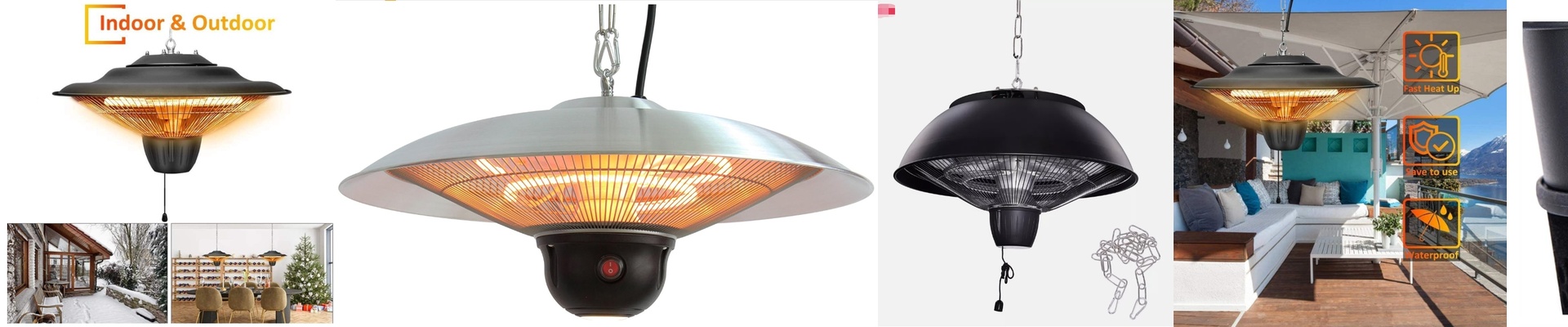
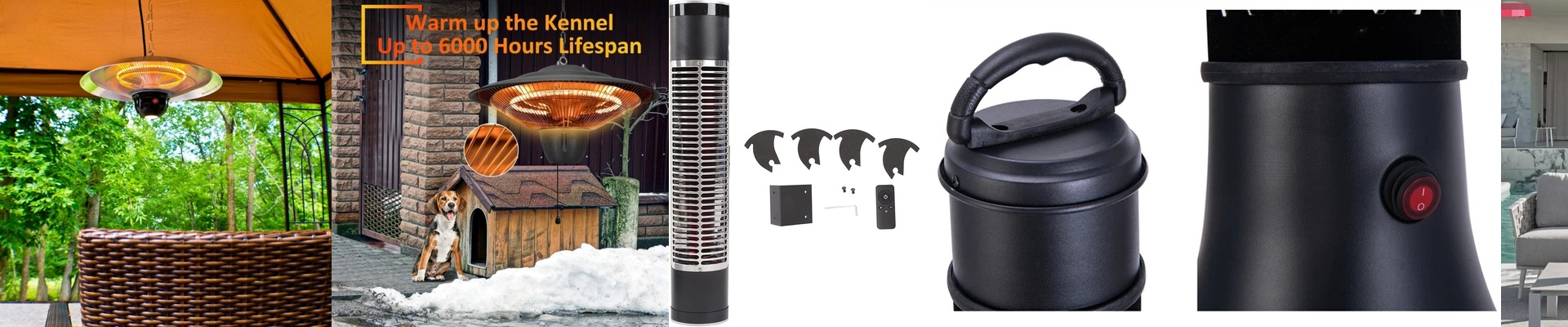
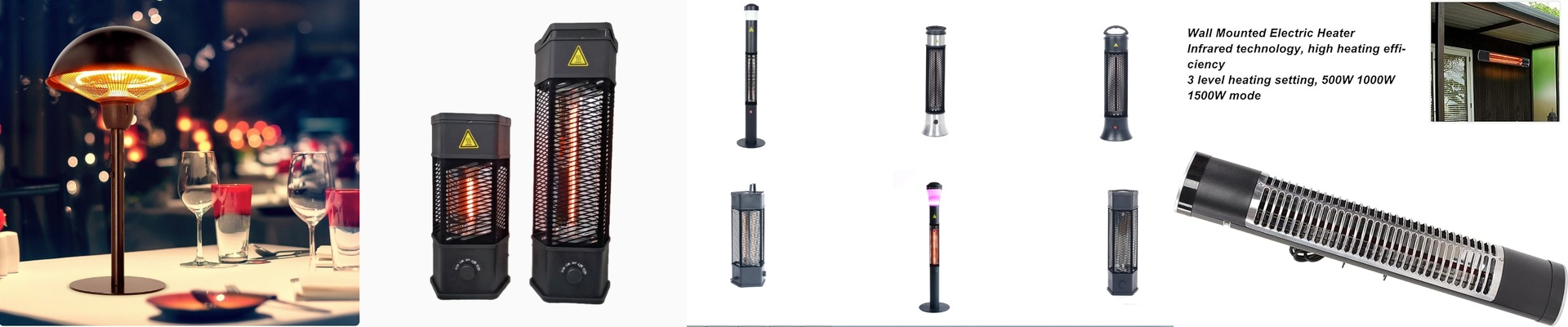
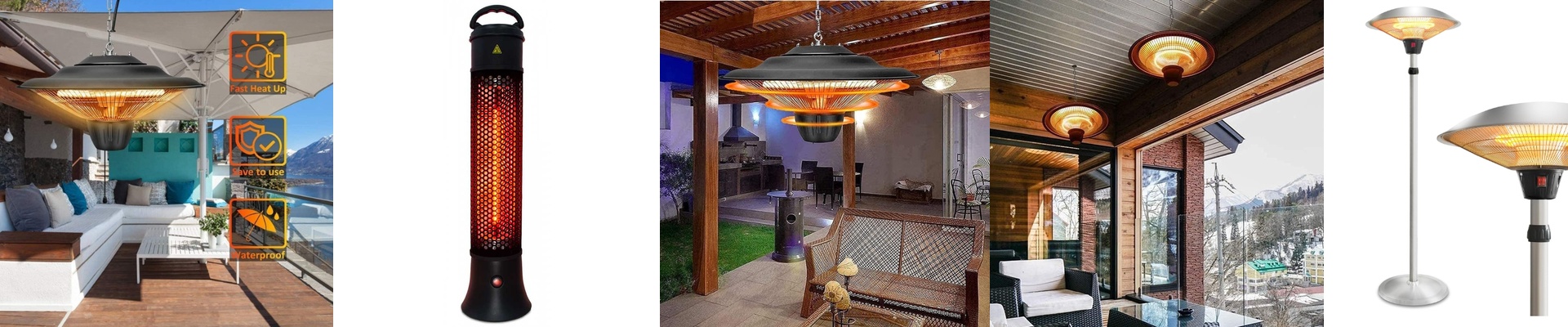
Let’s talk about those recessed ceiling heaters. They use shortwave infrared lamps to get you warm the second you flip the switch. It feels great, but when you put high heat in a room full of steam and splashing water, you have to be careful. The real secret to staying safe here is all in the quartz tube.
Why “Explosion-Proof” Actually Matters
Here is the problem: if a tiny drop of cold water hits a quartz tube that’s running at 800°C, it can shatter. It’s called thermal shock. Not exactly the vibe you want in your bathroom. To stop that from happening, we use explosion-proof tubes. These aren’t magic; they just have a special coating or a reinforced glass lattice. If the tube does crack, the coating grips the fragments and holds them together. It keeps the glass from raining down on you while you’re trying to dry off.
Power and Heat
We go with high wattage because nobody wants to wait ten minutes to feel the heat in a drafty bathroom. Most of these use a halogen-filled envelope, which helps the tungsten filament last longer. You’ll notice the tube glows bright white almost instantly. It’s fast. Really fast. But since these are tucked away in your ceiling, you have to think about “heat soak.” If you cram too many powerful lamps into a tiny cutout, you’re probably going to trip the thermal cut-off switch. **Pro tip:**Make sure your ceiling void has some breathing room. If the air can’t move, the housing will just overheat.
Getting Them Installed (and Fixed)
We designed these with press-fit or spring-clip connectors. We kept the footprint small so you can swap a bulb without having to rip the whole fixture out of the ceiling. When you’re wiring things up, double-check that the seals around the rim are watertight. Even with those explosion-proof tubes, water is the enemy. If moisture leaks into the electrical terminals, the lamp is going to burn out way sooner than it should.