

Stop Waiting on Your Heaters: Why IR Beats Forced Air in the Clean Room
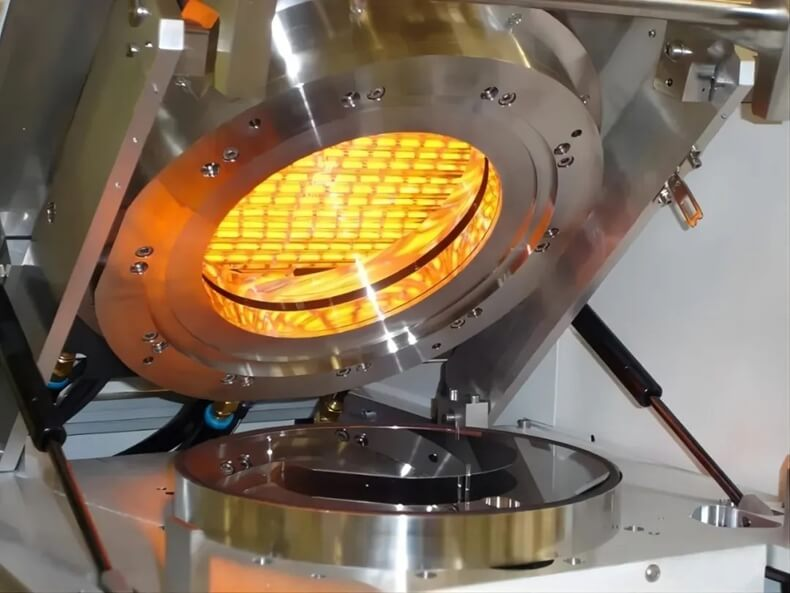
If you’ve spent any time moving wafers or substrates between processing stages, you know the drill. You’re fighting a constant battle to keep temperatures steady. Most of us are still using those old-school trolley heaters that just blow hot air around. Honestly? It’s a bottleneck. Forced air is slow. It’s clunky. And it rarely heats things evenly. That’s where Infrared (IR) comes in. Instead of trying to warm up the air, IR just sends energy straight to the target. The real cost of waiting Think about how a hot air heater works. It has to warm up the entire atmosphere inside the unit before your part even feels a thing. There’s this annoying lag—a gap where you’re just standing there, waiting for the air to stabilize. IR is different. It’s basically “instant-on.” The lamps shoot photons that hit the surface directly. No middleman. No waiting for the air to get warm. In a deep processing setup, we’re talking about cutting your ramp-up time from several minutes down to a few seconds. It just feels faster because it is faster. Getting it into your workflow Fitting IR into a trolley can be a tight squeeze, but it’s doable. We usually go with short-wave IR emitters. They pack a lot of heat into a small space, so you don’t need a massive housing unit taking up room in your clean room. But here’s the catch: you have to get the wattage right. If you go too heavy on the power, you’ll end up with hotspots on your wafer, which is a nightmare. To stop that from happening, we use PID controllers and fast-response thermocouples. It keeps things steady so you don’t overshoot your target temperature. The trade-off (because nothing is perfect) Now, air circulation is forgiving. It’s slow, but it’s stable. IR is the opposite. Because it reacts instantly, any little flicker in your power or a laggy sensor can cause a temperature spike. You can’t just plug it in and forget about it. You’ve got to tune your control loop for high speed. And a word of advice: make sure your power supply is stable, or you’ll be replacing lamps way more often than you’d like. The big win, though? No fans. When you ditch the forced air, you get rid of all that turbulence. Fewer swirling currents mean a much lower risk of particles landing where they shouldn’t. You’re trading a gusty atmosphere for clean, direct energy.