


Keeping Your Wafers Clean: The Reality of CNT Heater Safety
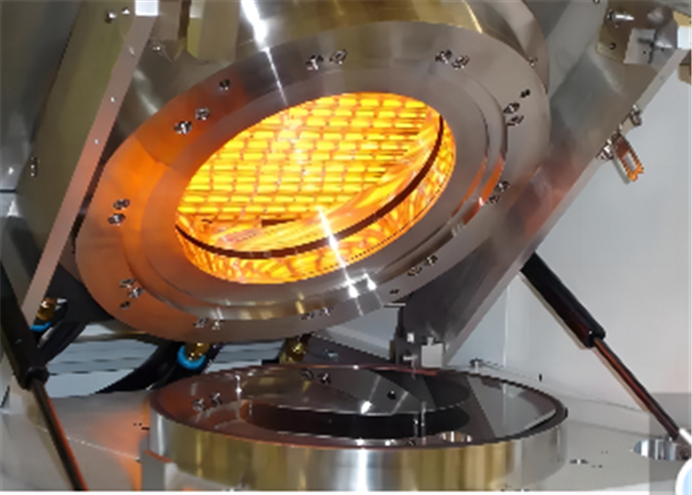
If you’re working with carbon nanotube (CNT) fabrication, you know the drill. You’ve got high-intensity infrared lamps triggering chemical vapor deposition, and everything is humming along. But when you push these lamps hard under a heavy production load, things can get dicey. Here’s the nightmare scenario: a lamp ruptures. Just like that, you’ve got quartz shards and halogen gas raining down on your wafers. It’s an instant disaster. One pop, and your entire batch is scrap. Why do these things actually break? It usually comes down to thermal stress. If the quartz envelope expands unevenly—or if there’s some tiny, invisible flaw in the material—the pressure inside spikes. To stop this from happening, we stick with high-purity synthetic quartz. It has a low coefficient of thermal expansion, which is a fancy way of saying it can take a beating. It handles those aggressive ramp-up and cool-down cycles without cracking under the pressure. Adding a safety net But we don’t just trust the glass. That’s a gamble you don’t want to take. We put a physical barrier in the mix—usually a high-transmittance quartz sleeve or a dedicated shield—between the heater and the wafer. Think of it as an insurance policy. If a lamp decides to explode, the shield catches the debris before it ever touches your work. We also pay close attention to the electrical connectors. If a pin isn’t seated right, you get arcing. That creates hot spots that eat away at the quartz seal. By using precision-machined contacts, we keep the heat exactly where it belongs—in the filament—and away from the tube ends. The trade-off Now, there is a catch. Adding a shield means you lose a little bit of that raw infrared heat. It’s not a lot, but it’s there. To make up for it, you might need to bump up the wattage or move the lamp a bit closer to the wafer. Just keep an eye on your cooling system; it needs to be beefy enough to handle that extra heat so your chassis stays stable. It’s a small price to pay for the peace of mind knowing your wafers are actually safe.