
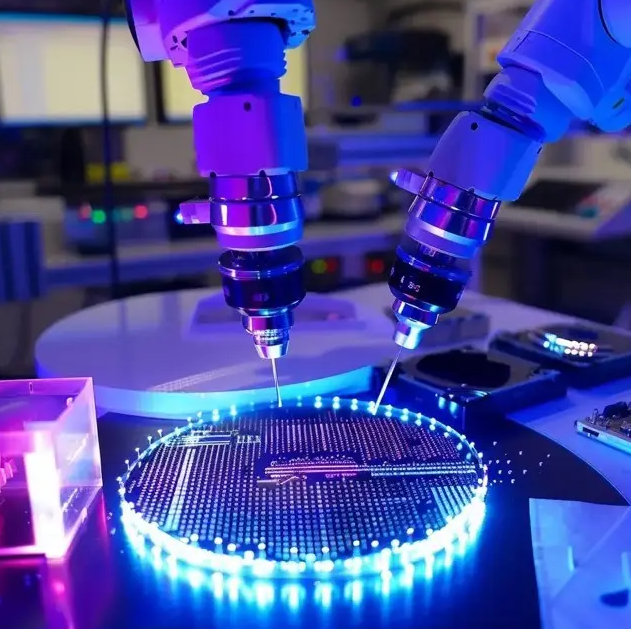
Stop the Shards: Keeping Your Wafers Safe from Heater Failures
In a high-volume semiconductor setup, one dead lamp isn’t just a nuisance. It’s a disaster. When a quartz tube pops, you aren’t just losing heat—you’re dealing with a rain of glass shards and dust all over your clean room. That’s a nightmare scenario that can scrap an entire batch of wafers in seconds. We build our infrared heaters specifically to make sure that doesn’t happen. Why tubes actually break Most of the time, it comes down to thermal shock or those annoying localized hotspots. To fight this, we use high-purity fused quartz with a very specific wall thickness. It helps the heat spread out instead of bunching up. We also obsess over the centering of the heating element. If it’s off by even a tiny bit, the tube overheats in one spot and cracks. Plus, your power supply plays a huge role. If it spikes, the tube takes the hit. I always suggest using precise PID controllers. They stop that aggressive “on-off” cycling that eventually leads to stress fractures. Adding a safety net But look, we don’t just trust the quartz to hold up. We add a backup. Our design includes a shatter-proof containment system. We wrap the elements in chemically inert sleeves or put in dedicated quartz shields. It’s simple: if a lamp burns out or cracks, the debris stays trapped inside the guard. Your wafers never even know it happened. The heat density struggle Here is the trade-off. High-wattage shortwave lamps are great because they ramp up fast, but they run incredibly hot. That heat puts a lot of pressure on your wiring and connectors. This is where people usually trip up—they spec their cooling fans for the “theoretical minimum” instead of the actual thermal load. If your housing gets too hot, your clean room oven seals will start to degrade. And a quick tip: wire these into a circuit with over-current protection. It’s a small step that keeps the lamps from blowing and keeps your line moving.