
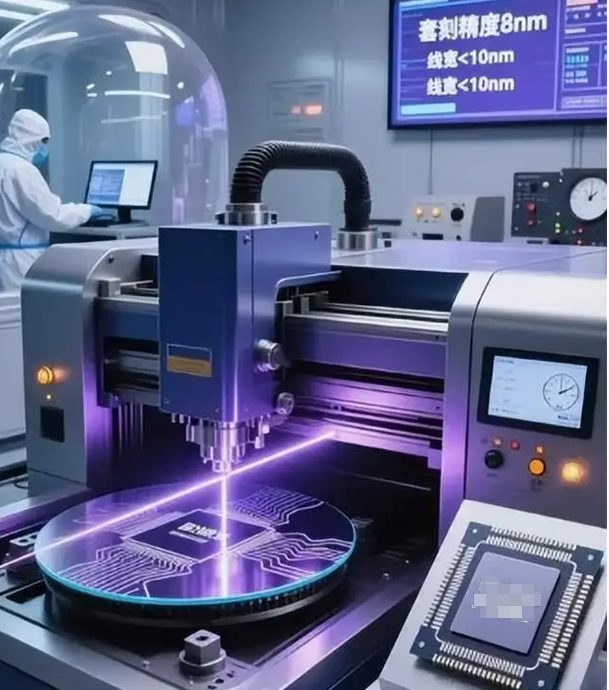
Dealing with Heat and Volatility in Wafer Heating
When you’re heating wafers in a chemical cleaning setup, you’re doing more than just hitting a temperature target. You’re basically managing a risk. Let’s be honest: a lot of these cleaning agents are flammable. Heck, some are downright explosive. If you put an open infrared (IR) lamp right next to those vapors, you’re basically asking for a flash fire. That’s why we stopped using open-air lamps and moved to encapsulated IR systems. It just makes sense. The deal with safety distance Safety distance isn’t some random number we pulled out of a hat. It’s the gap we need to make sure the surrounding housing—not just the lamp itself—stays cool enough that it won’t ignite your chemicals. We figure this out by looking at the lamp’s wattage and how the enclosure handles heat. Here’s the problem: if you cram the lamp too close to the wafer or the chamber wall, you get “heat soak.” The surrounding hardware gets way too hot, and that’s when volatile vapors become a real danger. You need breathing room. Enough space for airflow or active cooling to pull that heat away before things get dicey. Why we seal everything up We don’t just leave the quartz tube hanging out there. Our lamps live inside a sealed, chemical-resistant enclosure. Think of it as a physical wall between the heating element and the hazardous stuff in your air. We use high-grade seals because if a cleaning agent leaks into the housing, it’s bad news. You’re looking at cracked quartz or electrical shorts. Not a great day at the office. The trade-off Now, there is a catch. Putting a barrier between the IR source and the wafer means you lose a little bit of that radiant energy. It’s not a ton, but it’s there. To make up for it, you’ll probably need to bump up the wattage or let the wafer sit a bit longer to hit your target temperature. Just make sure your power supply can handle the extra load. It’s a small price to pay for not having to worry about your lab going up in smoke.