

Cutting Carbon in Wafer Tools with IR Heating
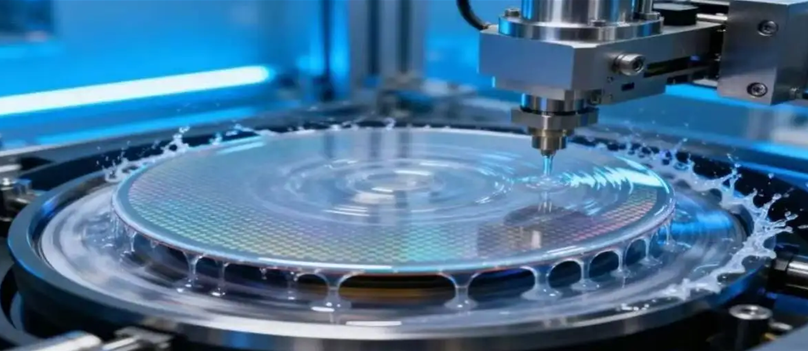
Everyone is talking about “Green Factories” right now. It’s the big push in semiconductor fab layouts. One of the easiest ways to actually move the needle on your carbon footprint? Stop relying on resistive heating and start using infrared (IR) lamps. Here is why it matters. Resistive heaters are kind of clumsy. They spend a ton of energy warming up the entire chamber wall before the wafer even feels a thing. It’s a waste. IR lamps work differently. They send electromagnetic radiation straight to the wafer surface.**It’s direct.**Because of that, you hit your target temperature way faster. When you cut down those ramp-up times, the tool isn’t pulling peak power from the grid for nearly as long. Then there’s the heat soak problem. When we use shortwave IR lamps, we get a high heat density. This lets us handle Rapid Thermal Processing (RTP) without turning the rest of the tool’s mechanical supports into an oven. And that’s where the secret savings are. Since the tool frame stays cooler, your chillers don’t have to sweat as much to keep things stable. Less work for the chillers means fewer kilowatt-hours burned per wafer. It’s a win-win. But look, it isn’t all sunshine and rainbows. Switching to IR comes with some headaches. These lamps put out a massive amount of heat flux. If your sensors are even slightly off, you’ll end up with hot spots that warp your wafers. You’ve got to use pyrometers that actually “understand” the emissivity of your specific material to keep everything in check. Plus, these lamps don’t last forever. You’ll be swapping them out more often than you would a ceramic heater. It’s just the trade-off. At the end of the day, it comes down to “thermal inertia.” By targeting the wafer instead of heating the whole machine, we stop throwing energy away. It’s a practical, boots-on-the-ground way to hit those carbon neutrality goals without slowing down your throughput or messing with your yield.